17.13°C Kathmandu
Credit picks up, but Nepal’s banks are awash with cash
Bankers say rising import costs, festive demand and currency depreciation, not a broad-based economic recovery, are driving much of the increase.
Bankers say rising import costs, festive demand and currency depreciation, not a broad-based economic recovery, are driving much of the increase.
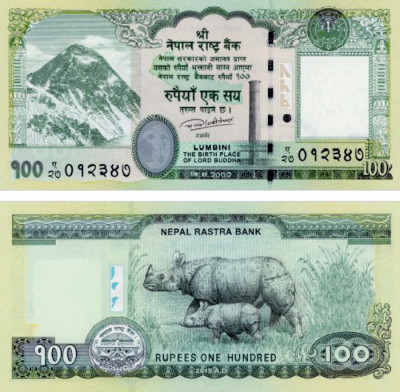
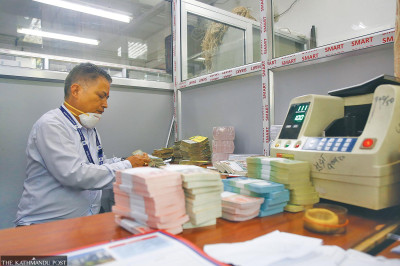
The central bank dropped its previous practice of announcing a fixed period for exchanging new banknotes for Dashain, with notes now available through its offices and commercial banks.
Floods and landslides have halted trade through Rasuwagadhi-Kerung, Tatopani, and Korala border points. Hundreds of containers remain stranded and supplies disrupted ahead of the festive season.
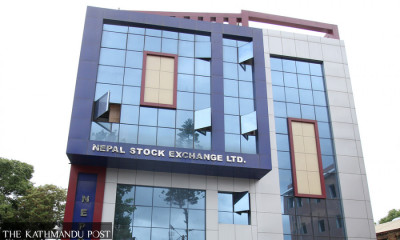
Repeated breakdowns at Nepse, broker firms, data centres and trading systems are eroding investor confidence and raising concerns over the security of more than Rs4.5 trillion in assets.
Despite the destruction and damage to its stores on September 9, 2025, the supermarket chain continued paying over 10,000 employees and began clearing debris within a week.
A ransomware attack at a data centre serving 72 brokers has disrupted trading, leaving investors concerned about the market’s resilience and the security of their data.
Banks are flush with lendable funds and interest rates are low, yet businesses remain reluctant to borrow and invest, reflecting weak confidence in the economy.
Transaction volume and value rose in the last fiscal year due to higher bank lending, renewed buyer confidence.
The 21-point package seeks to ease IPO rules, restructure Nepse, expand bond and margin trading and cut capital gains tax.
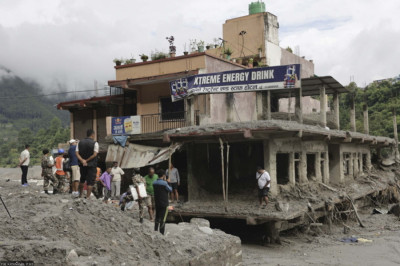
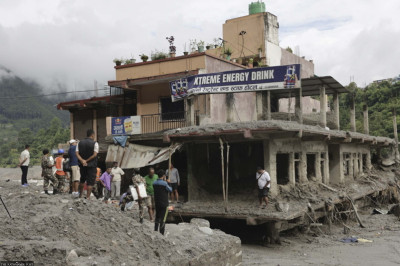
A preliminary government assessment estimates damage and economic losses at Rs408 billion. Nearly 4,800 businesses and 7,570 homes were damaged, while 13 hydropower projects and five solar plants were hit.
Changes in legal provisions could undermine Nepal Rastra Bank’s independence and policy continuity, former governors warn.
The Bhotekoshi floods have hit a handful of listed hydropower projects, yet shares across the sector, and in insurance, have fallen as investors grapple with uncertainty over losses, claims and reconstruction.
Customs and tax breaks, loan restructuring and cheaper credit offered to businesses affected by Bhotekoshi floods.
The government has immediate access to around Rs20 billion from the current fiscal year’s budget for rescue, relief and other emergency needs. Following the devastating Bhotekoshi flood, donations to government relief funds are also pouring in.
Explaining the mechanism for donating cash and supplies for the Bhotekoshi disaster relief effort, key contacts, and illegal collection drives.