BOOK TALK: There is space for good stories, and we are here to publish them
After working with writers like Arundhati Roy and Sudha Murty, Milee Aishwarya reflects on what makes a good book and why readers still matter. Courtesy of Penguin India
Milee Aishwarya is the publisher and senior group vice president of the Adult Publishing Group at Penguin India. She has worked with giants such as Arundhati Roy and Sudha Murthy, among others, in her seventeen years at the company and publishes over 250 books each year.
Aishwarya was in Kathmandu to attend the Kalinga Literary Festival, where she spoke in panel discussions about Ila Arun and Rohini Rana’s new book ‘Memories on a Platter’. She was also on a panel commemorating the late Piyush Pandey.
In this conversation with the Post’sRivash Rijal, Aishwarya discusses the need for reading in today's political landscape and what makes a good writer, among other things.
Why read?
Reading opens up a new world. You learn about things and places you have never directly encountered; it opens your mind. But more than that, for today's time and for all the young people, I feel there is so much content on social media; everyone is on [their] phones, and people are constantly being told to think a certain way or look at things [from] a certain perspective. And I think when people want to have their own independent views, [when] you want to have your own understanding of an event, of history, of things, then you need to read. You need to read to understand what something is and find ways to interact with a subject in your own way [and] form your own opinions. And that is something I feel is a little challenging now, with the way things are going, which is why books are even more important. When I was growing up, I loved reading because, you know, sitting in Patna, where I was born, I could travel to Ireland and visit a little Scottish town through the books and characters I came across. But now I think there is even greater urgency for people to interact with and learn from ideas, history, and events in their own way.
You assured audiences in a 2018 TEDx talk that there were still readers out there and people should still write if they want to. That was almost eight years ago now, and I am wondering if that has changed in any way.
No, not at all. I am happy to state that readership is still growing in India, where we are based, and I am the publisher for Penguin Random House in India, so I am speaking [of] that audience. Our readership has grown at about 10-15 percent every year as per the latest report, and I see it growing more in the future too, because as India is developing and people have more disposable income, they are spending on other things, but also on books. I also see schools encouraging reading in their own way. There are a lot of writers who go to schools, and it is very important for [kids] to form healthy reading habits early on. So [kids] read children’s books; they read what they like, but the hope is that when they grow up, they will read other types of books as well. And therefore, we are seeing growth in readership in India, and I think it is a great thing. So I stand firmly behind what I said eight years ago—there is space for good books, there is space for good stories, and we are here to publish them.
What is the single most important thing for an aspiring writer?
There are so many things, you know. Just given some of my interactions with the best writers that I have come across [in] my career, I feel writing skills [are] definitely important, but hard work and discipline towards your craft are extremely important. Some of the best writers I have worked with are not only amazing in the stories they tell, their command of language, and their writing skills, but also very hard-working and disciplined. They take their writing very seriously. That is the most important thing for them, so they give it their all, and it shows in the books they write. I think that is very important.
What is it like working with Arundhati Roy?
It's amazing; you send her a blurb or any little note to look at, and she will edit it in five minutes or less and send it back to you. And I have known how hard she works on her books for hours and days at a time.
And with Sudha Murty?
I remember I was at a book event in Delhi, at the Chicago Centre, and we were launching a book, and she called me around 5:30 [pm] and said, ‘Milee, I am writing a book for you, and I plan to finish it in 10 days. I started writing at around 8:00 [a.m.], and I have stopped now. So, I plan to do this for 9-10 more days, and hopefully, I will have the first draft for you.’ I was amazed. There is a lot of hard work that goes into books that sometimes people on the outside don’t see, and that is very important for you to be a good writer.
It seems to me that you are very invested in ensuring diversity of voice, opinion, piece, and so on. Why is that so important in South Asia?
I think it's even more important given the world we are living in. I was raised in India, a very pluralistic country and society. We are a very diverse group of people, not only in terms of regions, languages, and traditions but also in the stories we grew up with. As a publisher, I feel it is my responsibility to publish all kinds of stories, not only for a particular kind of readership but also for a diverse set of readerships, because we are a multicultural and diverse society. And in this world now, where there is so much polarity, where not everyone but most people have a sense of superiority and singularity, talking about how we are best at this and that, I think it leads to a certain kind of intolerance and impatience. As a publisher and reader myself, I think it’s very important to understand that we are not exposed to different cultures, languages, and belief systems, and I want to portray those in the books that we publish.
Definitely, it is at the top of my mind. I want to publish stories for everyone, not only for a certain group of people. We recently launched a new imprint called Penguin Eight, where we will publish books and stories from the Northeast of India. I feel that there is so much more to share from that region, and perhaps we have not done enough. These are initiatives that I am personally very impassioned about.
Milee Aishwarya’s five book recommendations
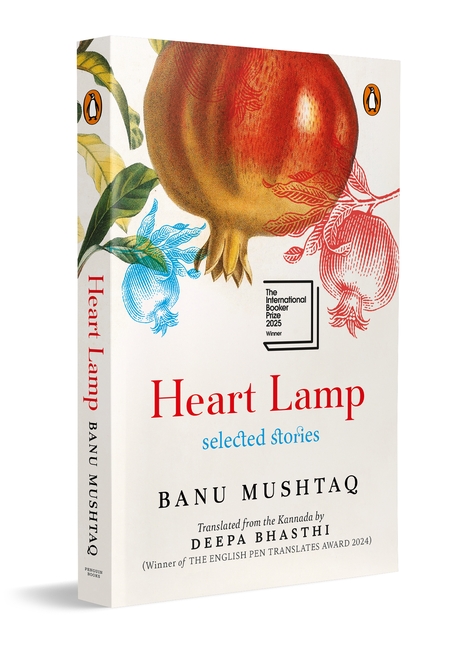
Heart Lamp
Author: Banu Mushtaq
Publisher: And Other Stories
Year: 2024
It’s a translation from Kannada into English, and everyone should read it. Its Booker Prize win was well deserved.
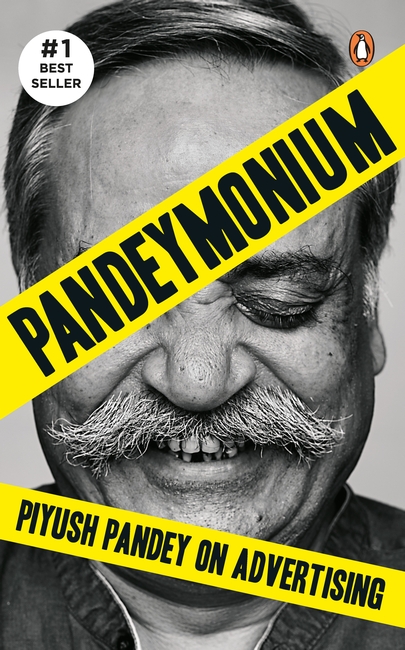
Pandeymonium
Author: Piyush Pandey
Publisher: Penguin Books India
Year: 2015
Written by a dear friend who has passed away, this is an excellent read for anyone hoping to pursue a career in advertising or the film industry.
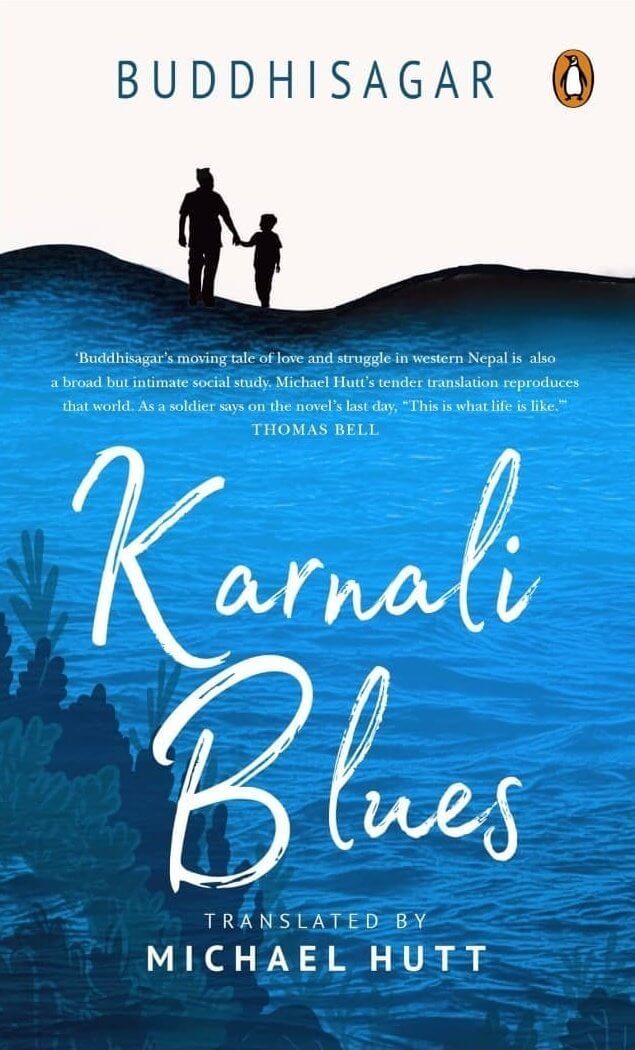
Karnali Blues
Author: Buddhisagar
Publisher: FinePrint Publication
Year: 2010
A book that immediately comes to mind when I am in Nepal. It captures family, memory, and life in rural areas.
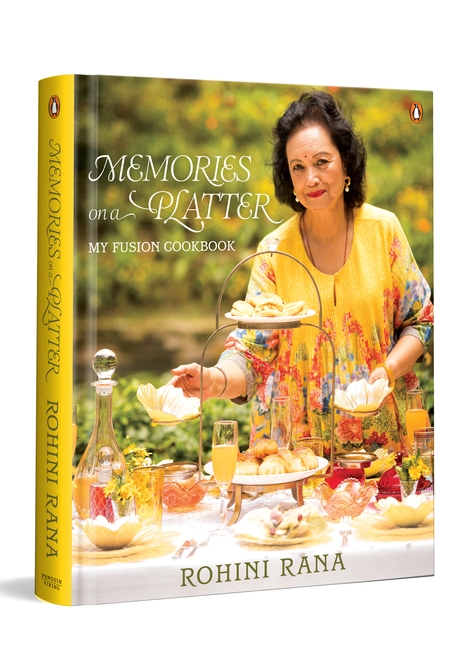
Memories on a Platter
Author: Rohini Rana
Publisher: Penguin Random House India
Year: 2026
Rana draws on her travels, blending fusion recipes and culinary influences from Nepal, India, and around the globe.
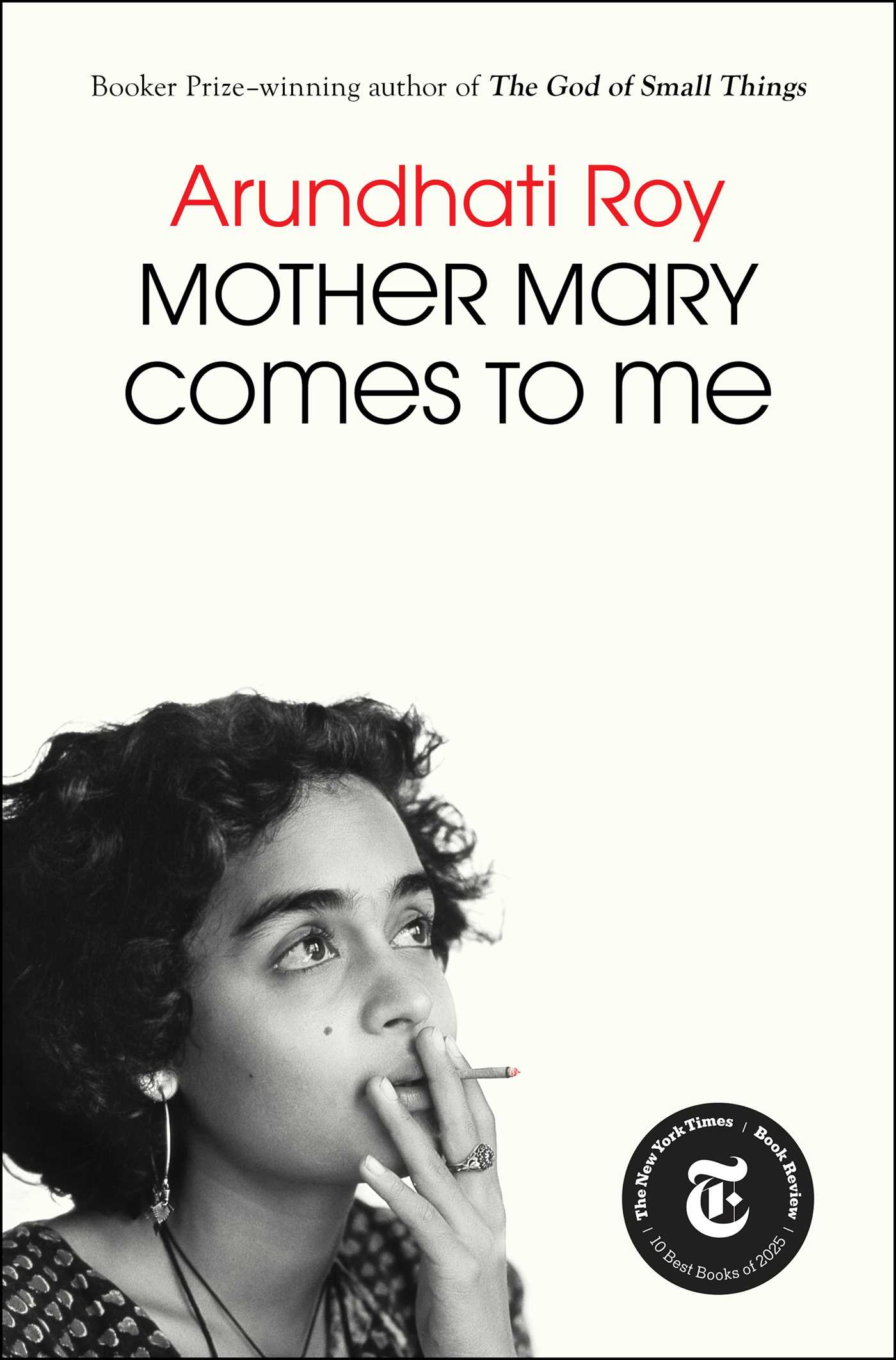
Mother Mary Comes to Me
Author: Arundhati Roy
Publisher: Penguin Random House India
Year: 2025
I enjoyed reading and publishing this book. More than a story about mothers and daughters, it is a reflection on human relationships.
Rivash Rijal is a culture and lifestyle intern at the post. He is also a rising senior at St John's College in Santa Fe, NM. He will be graduating from the class of 2027 with a BA in Philosophy, Literature and Natural Sciences.




 22.23°C Kathmandu