Indigenous voices unite for identity, rights and inclusion
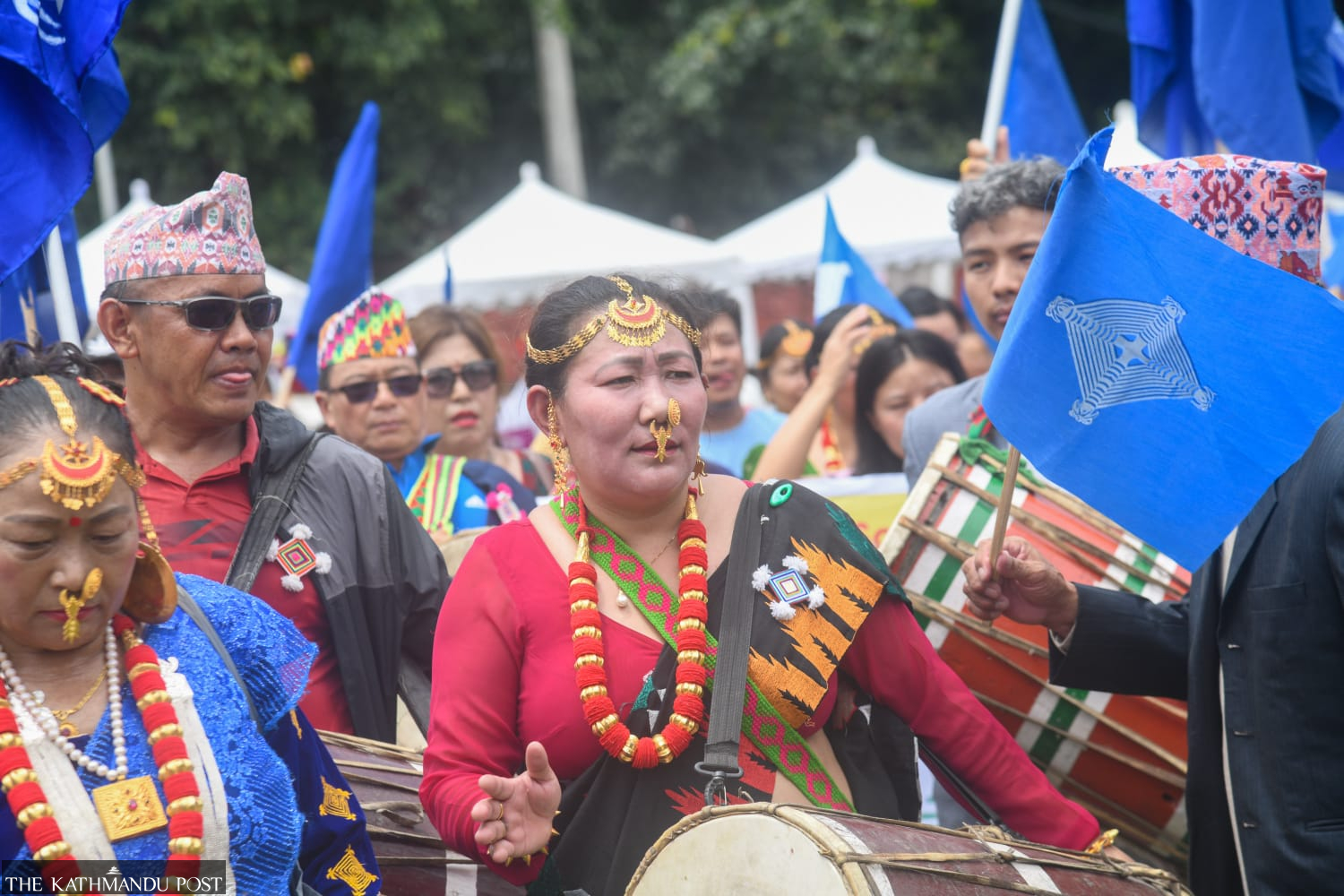
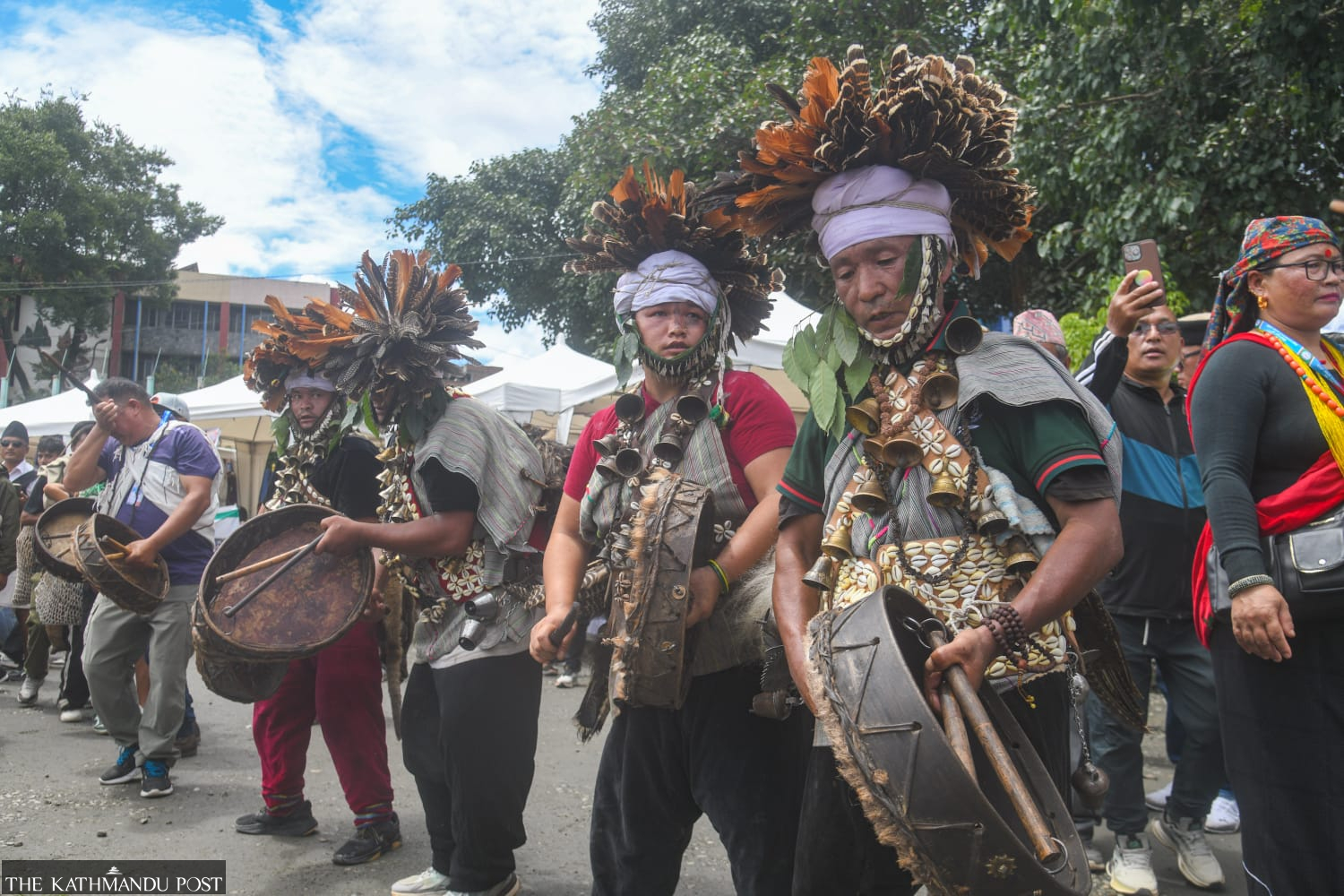
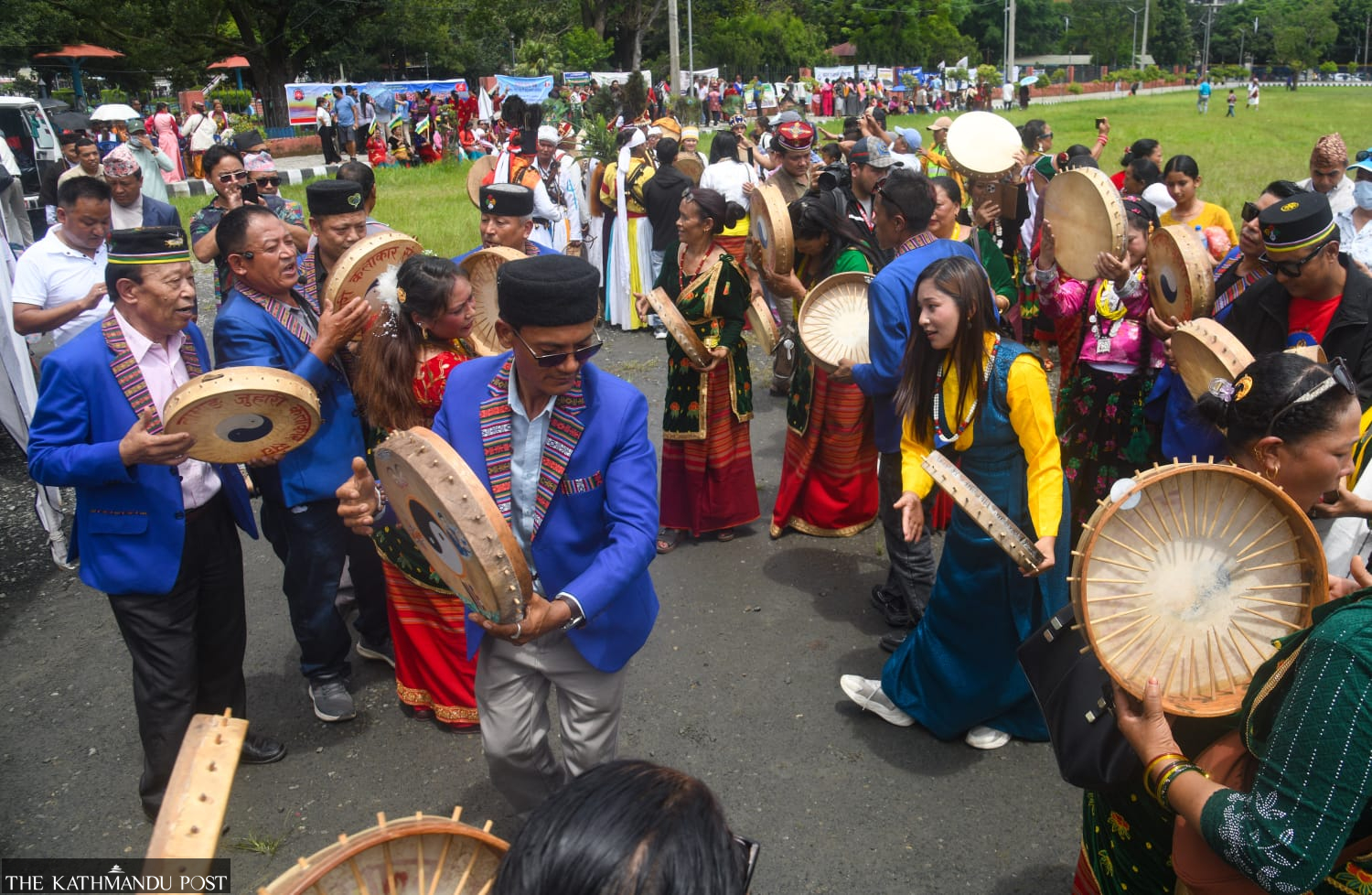
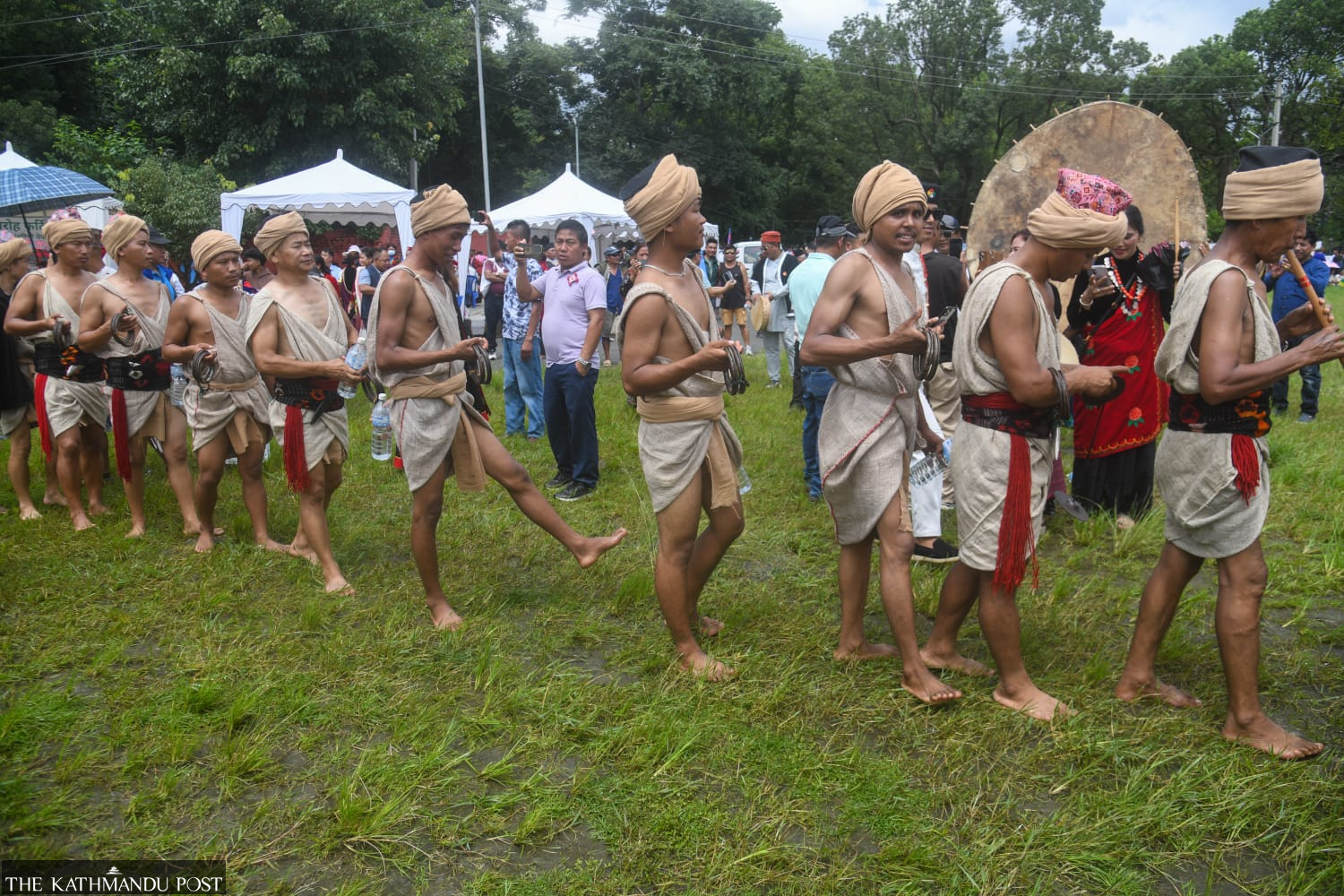
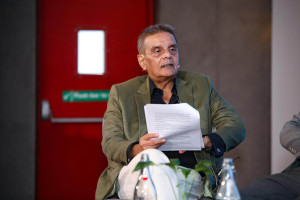
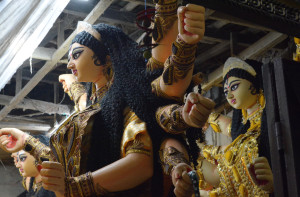
Traditional dress, music and dance filled Kathmandu as indigenous communities came together to celebrate diversity and raise concerns over political representation and land rights. Photos: Deepak KC/TKP
Marking the 32nd International Indigenous Peoples’ Day on August 9, Sunday, several institutions and indigenous communities organised events across the country, celebrating indigenous identities, culture and unity. The official programme took place at Khullamanch, preceded by a rally which started from Bhrikutimandap.
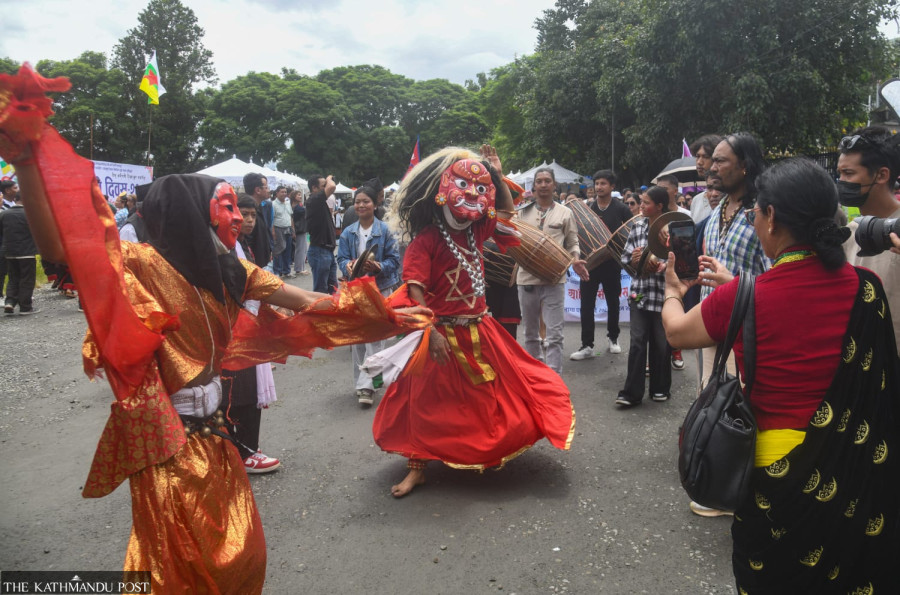
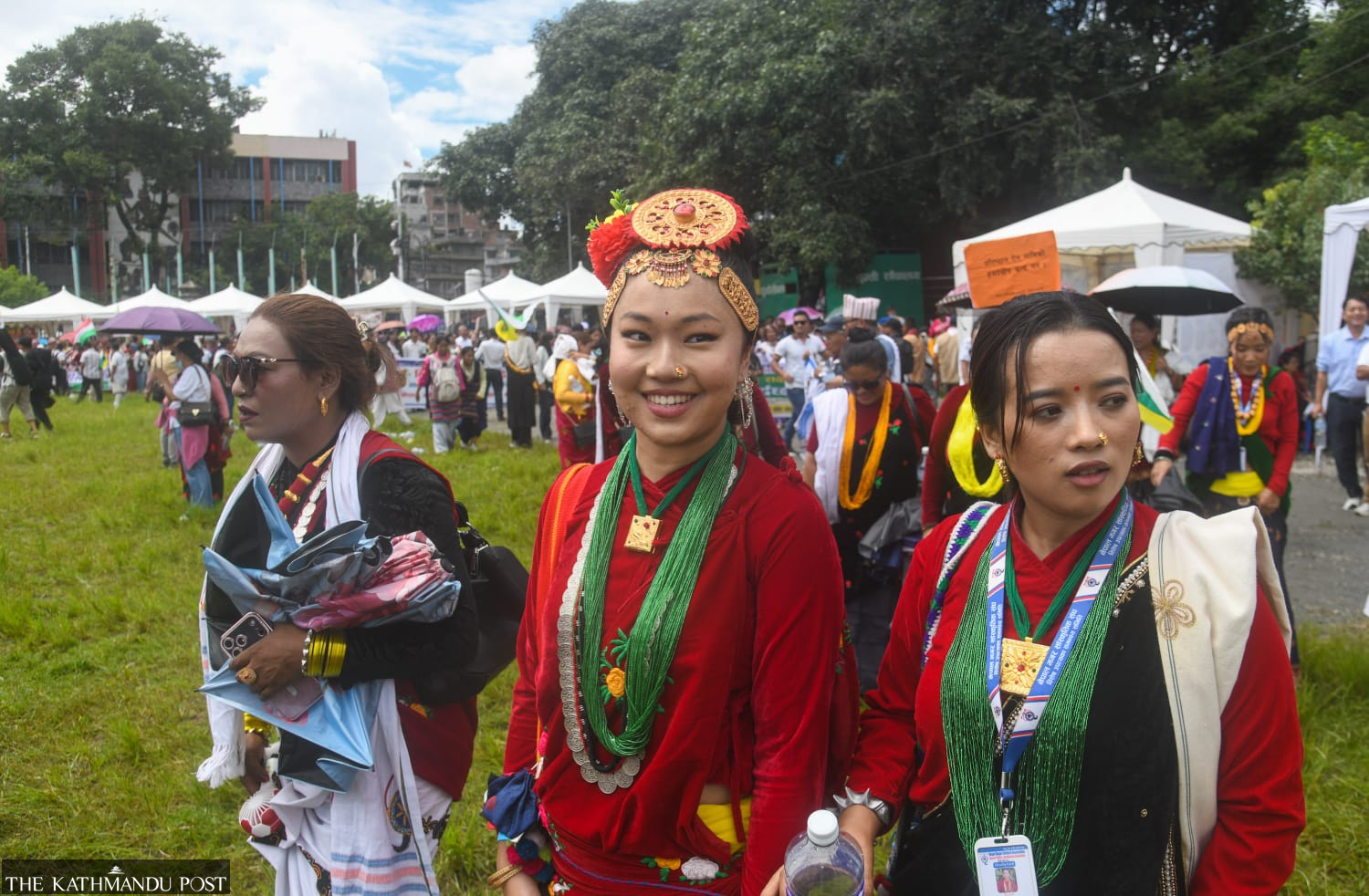
The march included several indigenous groups of Nepal, including Tamang, Kirat, Jirel, Magar, Newa, Tharu, each marching in their own traditional attire, playing instruments, waving flags, holding banners of their individual institutions while dancing and singing all together.
Queer indigenous individuals and indigenous people with disabilities were in the same procession, depicting a remarkable message of intersectional identities.
Indigenous people encompass over 35 per cent of Nepal’s population and 6.2 per cent globally. In 1994, the UN General Assembly had declared August 9 as the ‘International Indigenous Peoples Day’, marking the anniversary of the first session of the UN Working Group on Indigenous Populations in 1982. Ever since, communities from all over the world celebrate their indigenous culture, also as an advocacy for indigenous rights, and inclusive political dialogue.
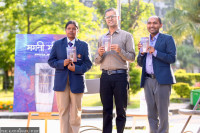
With this year’s theme ‘Honouring Indigenous Midwives: Safeguarding Life and well-being’, the event was inaugurated by the Vice President Ram Sahaya Prasad Yadav. Organisers representing Nepal Federation of Indigenous Nationalities (NEFIN), the only umbrella organisation of all Indigenous peoples of Nepal, including Bimal Saru Magar, hosted the event throughout.
In his speech, VP Yadav focused on the practical implementation of constitutional rights for indigenous communities. “Inclusiveness should not remain limited to slogans but should be visible as equal access to the state’s policies, plans, resources and means,” he said.
Yadav also focused on the role of indigenous traditional knowledge and practices in promoting environmental balance and addressing climate change, calling it a model for the world. “This knowledge has today become exemplary for the whole world in addressing climate change and environmental balance,” he said.
On the role of the new generation, he suggested moving forward through education, science and technology while preserving its language, culture and identity.
Presenting indigenous identity, language, culture and tradition with pride and as immeasurable property, the event opened with a welcome dance from the Sherpa community.
Acting Mayor of Kathmandu Sunita Dangol, Minister of Energy, Water Resources and Irrigation of Nepal Biraj Bhakta Shrestha, and several Members of Parliament, including Bikram Timalsina, Ram Bahadur Thapa Badal, former MP Om Gharti Magar, were present at the event along with the chairperson of NEFIN, Nima Lama Hyolmo.
Opposing the Government’s attempt to dissolve the National Foundation for Development of Indigenous Nationalities (NFDIN), this year’s national slogan, ‘Protecting the rights already gained is today’s necessity. Our shared commitment is to build an inclusive and just Nepal with identity,’ laid out two distinct political messages to the assembled crowd of thousands.
According to Magar, those were: unity among indigenous peoples despite internal diversity and safeguarding the achievements gained for indigenous peoples, regardless of which government is in power.
Diversity is inevitably a matter of immense pride for every Nepali. This annual programme, which brought together thousands of indigenous people on common ground, was palpable evidence of how indigenous communities together build the nation’s cultural, traditional, and religious integrity along with ecological wisdom.
”With the recent dispute in Siraha, I had felt a surge of sadness over the country’s divided unity,” said Prakriti Rajbanshi from Rajbanshi Society Development Committee, Jhapa. “But coming here, watching all the people in their traditional attire, brought back the sense of unity altogether.”
Rajbanshi also shared the challenges of keeping her community’s identity alive in Kathmandu. While it has a strong, active presence in Jhapa, Morang, and Sunsari, where Rajbanshis make up a significant share of the population, she said it is difficult to preserve the traditions in Kathmandu. “Roughly 15 to 30 members are here in Kathmandu, and we struggle with low turnout and engagement.”
She also discussed the importance of indigenous knowledge and history, and more importantly, while acknowledging the modern world, the need to keep the traditional attire Patani authentic. “When people wear a modernised sari instead, I am simply not happy,” she said. “We should wear what’s passed down to us from one generation to the next, so that we can promote our culture.”
With individual communities’ struggle to preserve their attire, food and history, the broader indigenous rights movement in Nepal grapples with a shared set of urgent questions. “How do we bring youth back into language preservation and cultural transmission when migration and unemployment pull them away from home? How do indigenous land rights and ecological knowledge systems, built over generations, get formally recognised?”
These were the questions raised in the conversation with Sabnam Lama, President of Focus for Indigenous Girls (FIG). She explained her organisation’s role in this year’s rally, which was a joint mobilisation bringing together indigenous girls, youth and queer community under the intersectional banner.
“We wanted a diverse, intersectional message to go out collectively,” she said. “Our main work has been promoting the event, disseminating it and bringing youth together."
“Besides that, we just want to enjoy it,” she added.
Lama also spoke about intergenerational collaboration, decolonial organising and how the conversation around AI cannot be separated from indigenous sovereignty itself.
She pointed to the global expansion of AI data centres, often built on indigenous land and using indigenous water resources, as a concern that ties directly into land rights.
“When people see indigenous people, I think they should see people who are sovereign, self-governing, and who protect their nature,” she said. “When it comes to AI, we have to talk about data centres. Indigenous people need genuine, unbiased, meaningful, free, prior, and informed consent in that process.”
At the same time, Lama acknowledged that AI has become a practical tool within grassroots organisations itself, even as she cautioned against uncritical use. “In grassroots activism, we do use AI a lot—it makes urgent work easier,” she said. “Our approach is to engage critically. Ask whether it's genuinely representing us or not.”
This historic depiction of indigenous unity, knowledge, identity and collective thought, carried through traditional rhythms, conversations, songs, dance steps, was, in the end, proof that diversity and unity are a shared fact rather than competing claims.




 14.4°C Kathmandu