



 19.12°C Kathmandu

Fri, Apr 24, 2026
Culture & Lifestyle
Transforming old saris into modern-day fashion
Old Souls gives discarded saris a second life, blending traditional textiles with modern silhouettes through slow, sustainable fashion.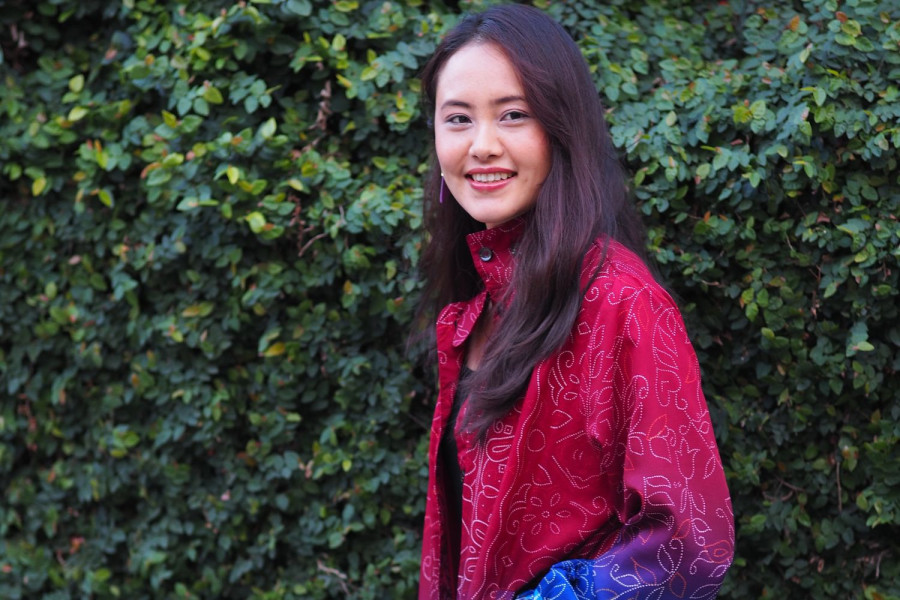
bookmark![]()
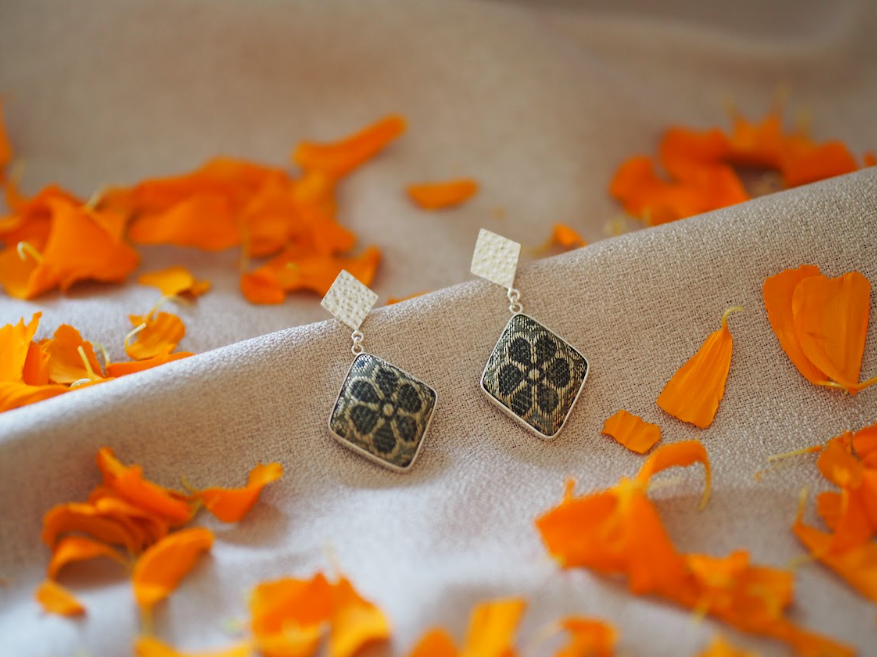
Signature jewellery made from textile scraps. ![]()
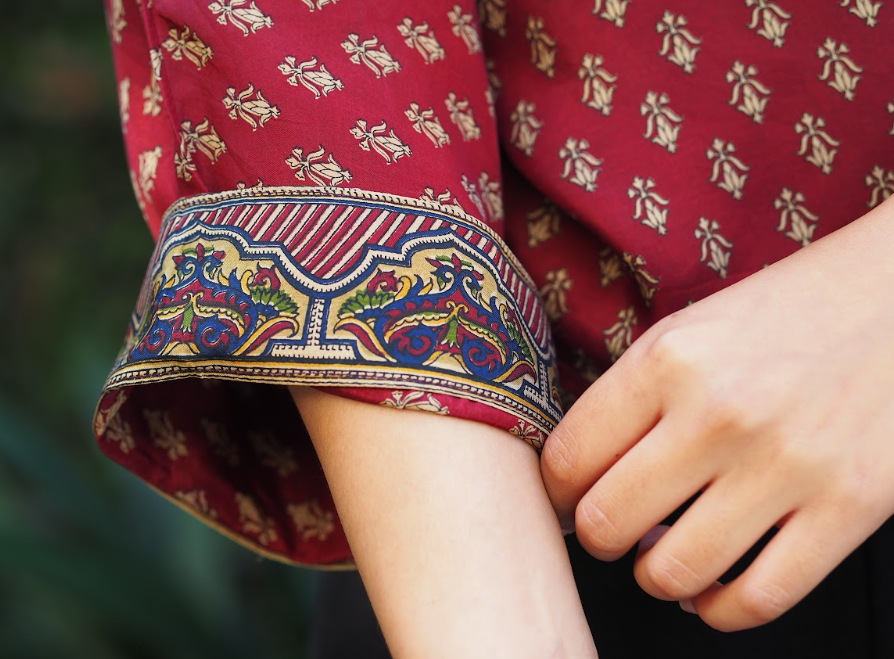
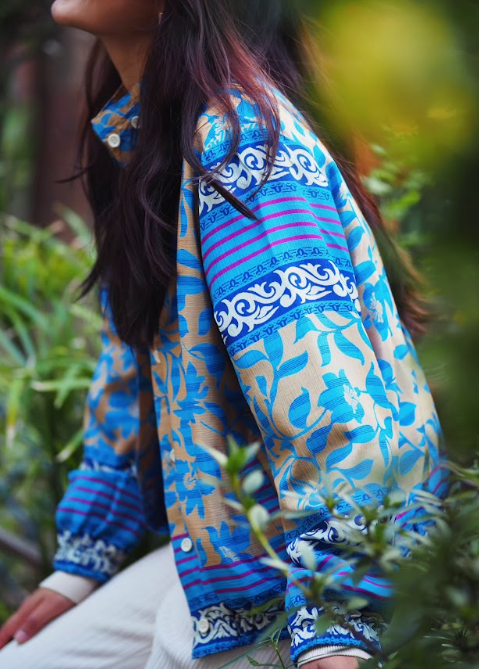
Details in lightweight kimonos. ![]()
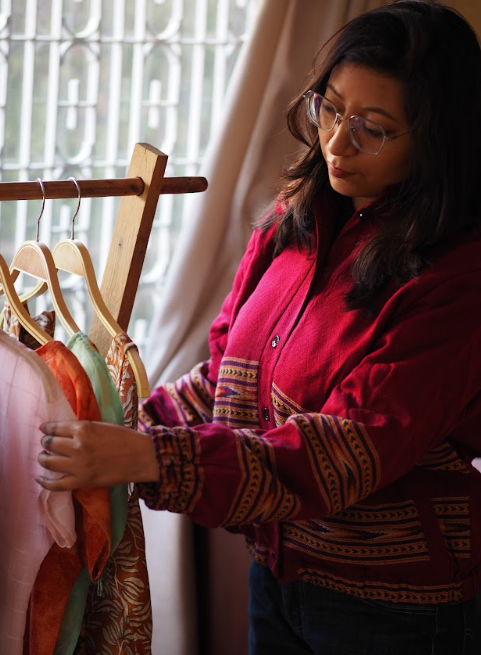
Pranidhi Tuladhar, founder of Old Souls, browsing through pieces in her studio. Courtesy of Lovin Shrestha ![]()
Jony Nepal
Published at : February 7, 2026
Updated at : February 7, 2026 11:58
Preserving the cultural and emotional significance of saris, Old Souls adapts these garments into ethno-modern pieces suited to everyday life and the tastes of fashion connoisseurs. Pranidhi Tara Tuladhar, founder of Old Souls, approached the label with a focus on craft, culture and everyday wear rather than just building a fashion brand.
Tuladhar’s interest in fashion was evident early on, as she studied fashion design at the undergraduate level. She approached the field with a broad vision, paying attention to the different aspects needed to build a sustainable venture. She completed her MBA and subsequently studied fashion management in Paris.
In this conversation with the Post’s Jony Nepal, Tuladhar discusses the process of recycling the saris and how Old Soul stands out in today’s competitive market.
What inspired the business idea?
In Nepal, the fashion market is increasingly dominated by imported clothing. The flood of fast fashion has dulled my enthusiasm for design and pushed me to question what I could meaningfully contribute. As a designer, and in light of fashion’s environmental challenges, I felt compelled to take a more sustainable approach.
The British Council’s In Our Hands programme provided a testing ground for my prototype. It helped me refine the idea into a viable business and think through potential partnerships, encouraging me to take a crucial step forward. The programme also shaped our signature jewellery, created from textile scraps that elevate the collection, through guidance from my mentor.
What is the process of recycling the saris?
Each sari goes through a careful process of sorting, washing, removing flaws, and marking for defects. Design decisions are made on a case-by-case basis, guided by the fabric itself. The material, patterns, colours, prints, and borders all inform the final design and determine the fabric’s best use. Because of the fluid, slippery, and delicate nature of these textiles, the work is time-consuming even for highly skilled tailors.
All this results in higher labour costs, as this type of business model cannot be mass-produced and does not benefit from economies of scale.
The designs focus on loose silhouettes and adaptable sizing. Some pieces are androgynous and unisex. Size inclusivity is important to me, and this summer I plan to introduce more sizes to better accommodate different body types.
I work best with limitations. I find it more inspiring to design around what already exists than to start from a blank page. Working with pre-loved materials pushes creativity in a way that feels both challenging and meaningful. We can also customise the customer’s sari in our designs.
What do you encounter as the main challenge in the due process?
Occupying the business with something so delicate is challenging, and it is even harder to find people willing to work with it. I was turned down by many tailors who either considered the old saris impure or found them difficult to work with. Overcoming these taboos was a friction point I had to address.
This also created a market gap, given the pieces’ price point. Despite the low cost of raw materials, production and labour costs account for the price we have stated.
‘Do not tell anyone that it is made of old saris,’ is something I hear frequently from people. To them, there was a shame attached to wearing pre-loved textiles. This reaction struck me as rather disheartening, as the products were something I was really proud of.
Therefore, a shortage of skilled labour and difficulties sourcing high-quality raw materials are the main ongoing challenges. Additionally, navigating bureaucracy, with limited tax exemptions and a lack of clear guidance for small startups regarding registration and compliance. This also creates financial constraints on hiring professionals for advice.
How do you think Old Souls stands out in the competitive fashion market?
Saris have been around for a very long time. People use a sari until the end of its life. Therefore, this business is not entirely new. Anyone can visualise a sari as raw material. Specifically in Old Souls, there is a strong focus on product functionality and longevity, with design as a key sustainability factor. We are creating something people love and value. There are also a variety of prints and patterns which allow the customers to find the one that speaks to them.
There is also a sharp underlying sense of identity one can find in Old Souls. Taking myself as an example, I align profoundly with my culture and ethnicity, but I do not embody it in my daily lifestyle. The brand carries its aesthetic in an ethno-modern way, blending traditional elements with modern functionality.
Old Souls is not just about old saris, but any old textiles holding a story. Grounding the soul aspect of these pieces, we amplify their stories and experiences.
How do you experiment with your designs while also fulfilling the customer’s preferences? How do you approach the branding and advertising process?
I am my first customer. I always try out the first experimental product and collect feedback. That gives me an indication of whether the piece will thrive. I experimented extensively, outlining prototypes for myself and working on one piece at a time. Because the pieces are made in small batches, we combine, balance and experiment to adapt to the aesthetics of the modern, fleeting era while remaining true to the value our products hold. These small batches allow me to analyse the responses and decide what to move forward with.
Based on my previous experience, I handle branding from logo design to packaging. Limited budgets confine us to exploring strategic marketing. However, despite the challenges, our ultimate aim is to introduce Old Souls to the international market.
Jony Nepal
Nepal is a culture and lifestyle reporter at the Post. She is also a Psychology and English language student.




Most Read from Culture & Lifestyle
End of an era in Indian music: Legendary singer Asha Bhosle dies after critical health battle in Mumbai
‘Matka King’: Nagraj Manjule’s series falls into familiar traps
A new way of dating: Logging off and showing up
Nepal’s ‘Elephants in the Fog’ selected for Cannes’ Un Certain Regard

From Kailali to K-pop: HARA’s debut on the Seoul stage
Editor's Picks

Inside the Rs 3.73 billion fraud investigation shaking Nepal’s business elite

How Nepal silences women in public life
Prime Minister Balendra Shah resets Nepal’s diplomatic posture in a single day

Nepali woman left for a caregiving job in Israel. She ended up in Palestine

EV demand in Nepal is growing but so is cost
E-PAPER | April 24, 2026

×