The rise of short-form digital content such as reels, clips, and continuous notifications has reshaped how the human brain processes information, attention, and time. These formats reward instant reactions rather than sustained thought. Although they offer quick entertainment and information, they also leave many people feeling mentally drained, distracted, and disconnected from deeper forms of engagement.
Co-founder and psychologist at Mindwell Solutions, Namrata Singh Chhetri sheds light on how constant digital stimulation affects mental fatigue and why slowing down may be more essential than ever.
How has the rise of short-form content like reels changed the way our minds process information and time?
Long lectures, videos, or articles focus on reflection, narrative construction, and sustained attention, whereas short-form content stimulates the brain to quickly determine whether something is ‘worth attention’, scan for immediate relevance, and identify patterns in a matter of seconds.
Short-form content prepares the brain to expect constant novelty. Our perception of time, attention, and even sleep has been subtly changed by short video reels, notifications, and continuous updates. Nowadays, many people claim to be mentally worn out even when they don’t perform any physical labour.
Each reel or clip provides an instant stimulation like a joke, a shock, a tip, a trend, before moving on to the next. Over time, the brain adjusts to this rhythm. Attention spans shorten, patience declines, and anything that happens slowly can become boring or uncomfortable.
Our perception of time also alters as it feels compressed and slippery. Minutes blur together as the brain processes rapid, high-intensity information. This is why many people believe they have ‘lost time’ while scrolling. The mind is active but not meaningfully engaged.
You said many people feel tired despite doing ‘nothing physical’. How does constant digital stimulation contribute to mental fatigue?
Mental fatigue differs from physical fatigue in that it does not require physical activity. Every time the brain makes a decision, changes its focus, or processes information, it uses energy. Even when the body isn’t, the brain remains active, and ongoing novelty keeps the stress system slightly activated. Because of notifications, messages, and an overwhelming amount of content, the brain is constantly on alert.
Mental fatigue feels worse than physical tiredness. There is no clear endpoint, no time when the mind knows it can fully rest. This constant stimulation prevents deep thought and recovery. Instead of one demanding task, the brain manages dozens of microtasks such as reading headlines, reacting emotionally, comparing, and responding. People become exhausted at the end of the day for no apparent reason.
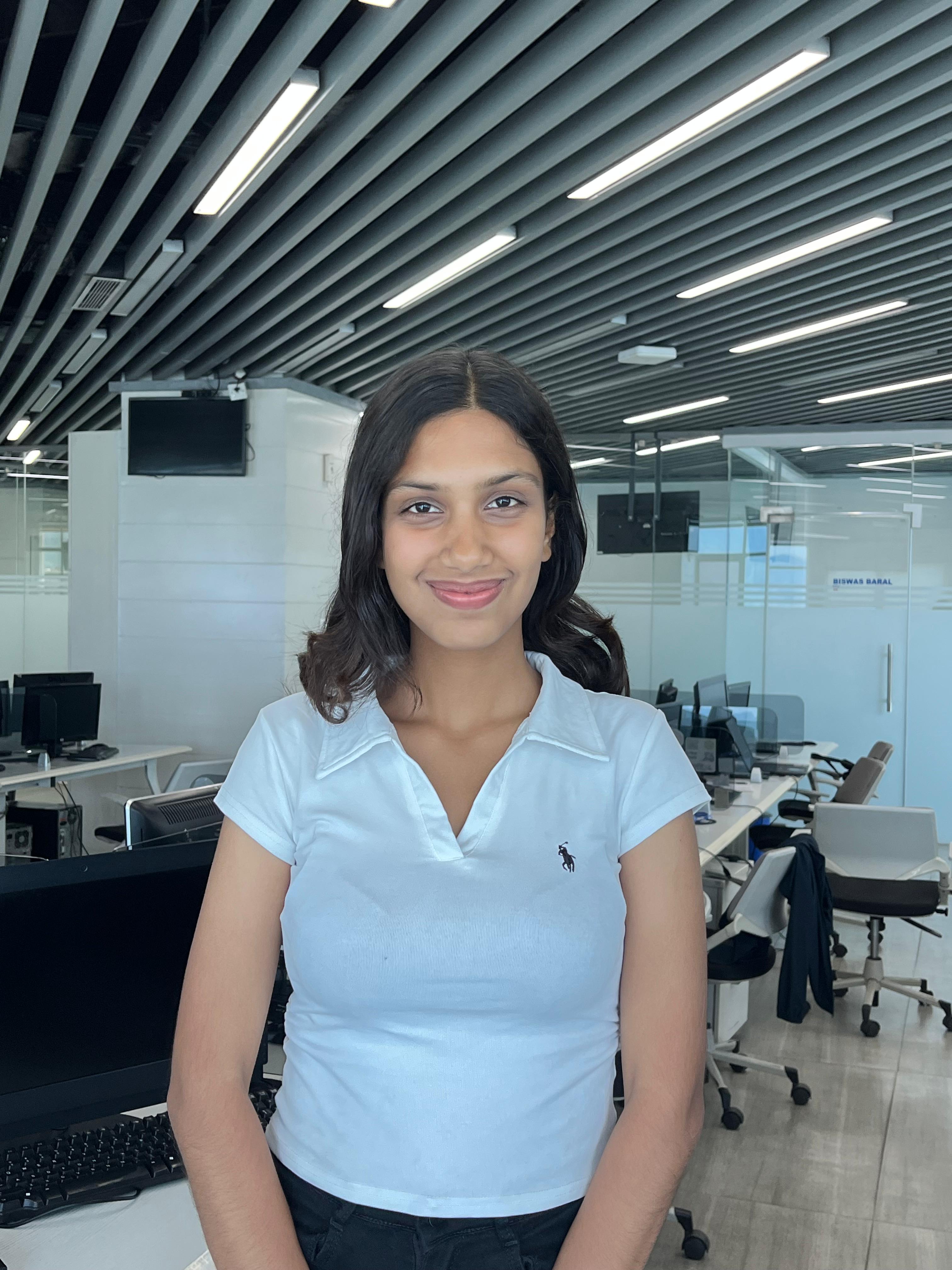
Psychologist Namrata Singh Chhetri Photo: Courtesy of Prava Hatawal
What happens in the brain when we slow down or take intentional pauses?
Our nervous systems change course when we slow down. Brain activity changes from a state of perpetual alertness to one of calm, reflection, and creativity. Breathing naturally deepens, stress hormones drop, and the brain starts processing ideas instead of responding to them.
Even short deliberate pauses give the mind a chance to recharge. The brain shifts from threat and task modes, and the nervous system shifts from sympathetic (fight/flight) to parasympathetic (rest/digest) mode. At this point, new perspectives emerge, emotions stabilise, and mental clarity returns. The brain and body realign. Hence, being slow is an opportunity for recovery rather than a waste of time.
Can doing everyday tasks slowly, like eating, walking, or listening, have a measurable impact on mental well-being?
Yes, doing everyday tasks slowly, like eating, walking, or listening, has a measurable, well-documented impact on mental well-being by supporting emotion regulation, restoring attention, and balancing the nervous system. Slowing down a task requires gentle, sustained attention rather than continuous observation.
As a result, there are fewer stress-related networks, better attentional control, and less mental noise. Brain regions linked to presence and emotion regulation are activated by simple actions such as eating without interruption, moving at a comfortable pace, or paying close attention to someone.
By keeping us in the present, these moments lessen mental overload and anxiety. The brain is reminded by slowing down that there’s no need to constantly rush. Over time, this may improve mood, focus, and mental toughness.
For people who cannot radically change their routines, what are small, realistic ways to introduce slowness into daily life?
Slowness does not require big gestures. Slowness is most effective when it is small, ordinary, and integrated into daily routine. Consider it less as ‘slowing life down’ and more as providing brief pauses for the system to breathe. Even little adjustments have an impact.
Some practical ways to incorporate slowness into daily life include: taking micro-pauses rather than long breaks, going without checking your phone for the first few minutes of the day, eating meals without a screen, walking the final stretch home without headphones, taking a few deep breaths before opening a new app, allowing silence during short breaks rather than filling each moment with content, and creating a daily end point.
How can students and young professionals protect their mental health without completely disconnecting from digital platforms?
For young professionals and students, total disengagement is not feasible. The goal is not absence but balance. Establishing boundaries, such as time-limited scrolling, turning off pointless notifications, or choosing when to engage instead of reacting automatically, can help one regain control.
Mental energy is saved when digital tools are used consciously rather than automatically. Following content that informs rather than overwhelms, and scheduling offline time for rest and reflection, helps the mind stay healthy without taking a break from modern life.
Sanskriti Pokharel, a former reporter and sub-editor at the Post, is a final-year student of Journalism, Mass Communication, and English Literature at St. Xavier's College, with experience in media, research, and communication.




 15.41°C Kathmandu