As art finds more viewers, fewer buyers step forward
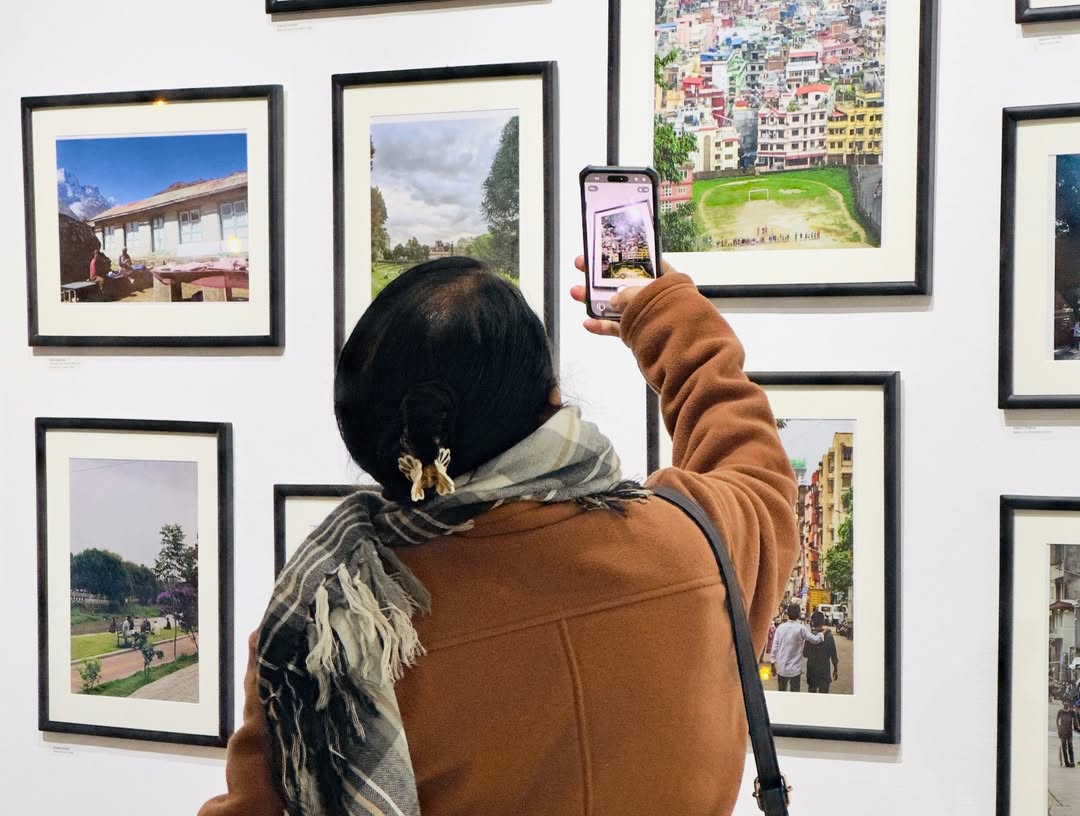
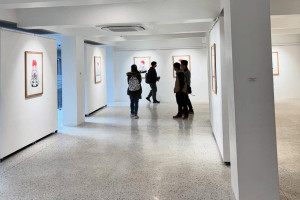
Artists, curators and gallery managers reflect on the widening gap between art lovers and art buyers in Nepal. Visitors observe artworks during an exhibition in Kathmandu. While interest in art is growing, sales remain slow. Photo: Courtesy of Kala Salon/Facebook
Despite growing interest in art exhibitions and cultural events, financial constraints continue to widen the gap between art and its consumers in Nepal.
Artists make art, not to encapsulate it in their own walls, but for it to trace its way to the people who find value in it. However, in recent years, a noticeable gap has emerged between the appreciation and purchase of art.
Making a living through art raises a question about motive—expression or financial survival. While these can go hand in hand, they can create obstacles for the artist and for the art to reach its admirers.
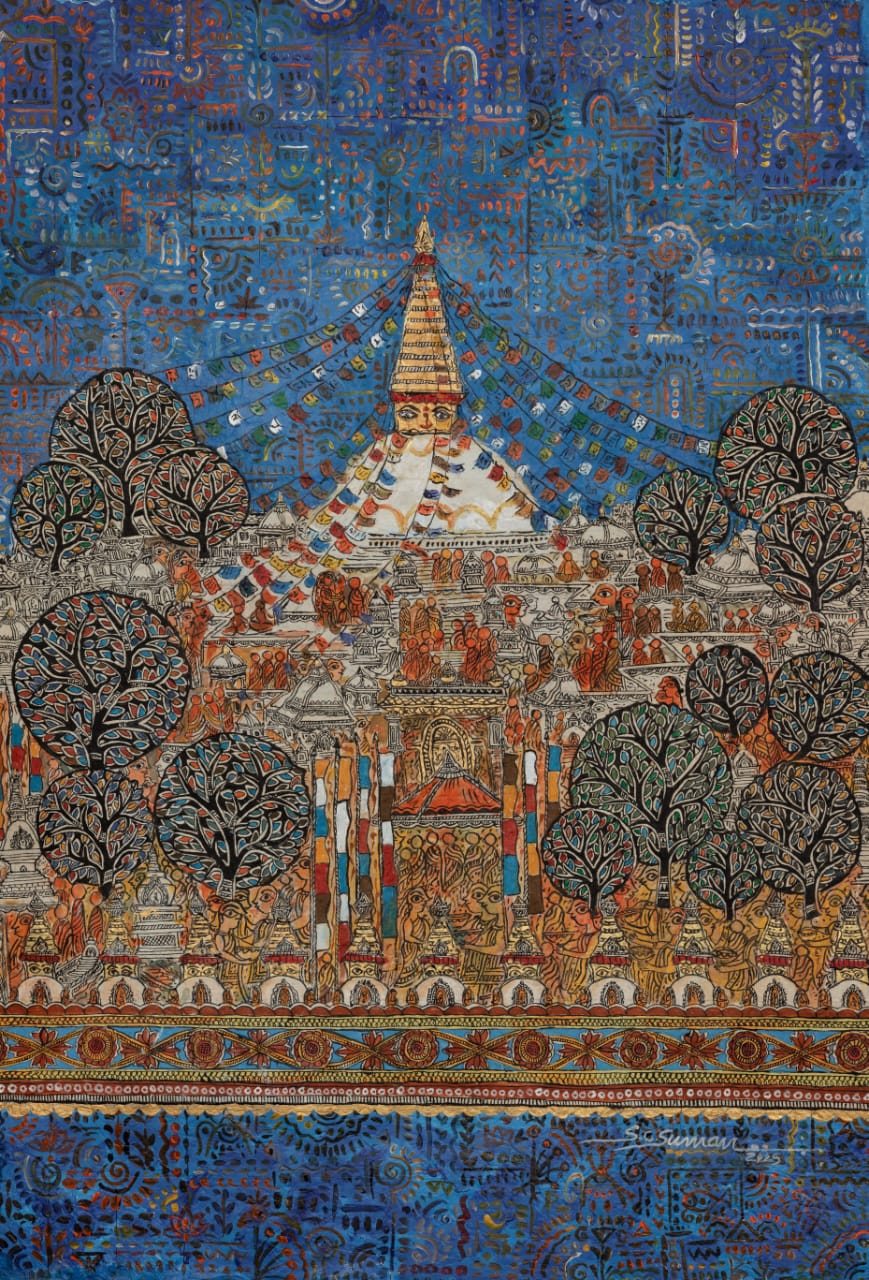
SC Suman, a self-taught Mithila artist, believes the expanding void in the social security of Nepal has affected the art market. Having organised more than 14 solo shows in five different countries, Nepal, France, Japan, Australia and the Netherlands, he believes there is an abundance of audience that celebrates his art.
While one of the most powerful forms of expression, art is also necessary to sustain artists. “This is the slowest market I have ever experienced,” he says. He emphasised the socio-cultural aspects of art, highlighting the importance of rethinking and rebuilding the social and art market environment.
Mithila artist SC Suman says the current art market is the slowest he has experienced. Photo: Courtesy of SC Suman
But beyond financial considerations, there appears to be a continuous, expanding flow of audience engagement with art. People understand, connect and find themselves in it.
Curating art exhibitions is one way to understand how audiences interact with artworks. The tendency to invest only in established names raises questions about the sustainability of emerging artists. “The only way artists can make a living is when they become successful,” says Sophia L Pandé, curator at Kala Salon, Thamel.
The value of art is built on artists’ dedication and sacrifice, from attending art school to investing in materials, yet it is often demoralised in the market. Their professionalism is questioned in different projects as emerging artists. A series of alternative financial backups is required to pursue a career in art.
While the connoisseurs of art are abundant in the market, they are reluctant to invest. “People who want to buy art must be more open and connected to the artworks and simply go for it,” she says. Kala Salon organises joint residencies, providing funds, guidance, and platforms to young emerging artists to navigate the gap created by financial limitations.
Manish Lal Shrestha, an artist and curator at Gallery McCube in Patan, reflects on the openness of platforms for traditional and contemporary artists. “Creating contemporary art is always a challenge as its commercial viability is less in the Nepali culture,” he says. While economic pressures can influence shifts in artistic motifs, Shrestha argues that there is no loss in creating works.
Through experimentation and thought-provoking forms, contemporary approaches can address evolving issues and create awareness in a language that all can understand. Analysing the atmosphere of art in the past 15 years, he concludes that the art culture in Nepal is in a growing phase. “One of our aims is to push Nepali artists to the international level. We are still in the process, and there are a lot of possibilities through collaborative efforts,” he says.
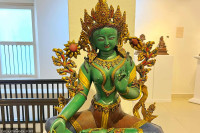
A contemporary artwork on display at Gallery MCube. Photo: Courtesy of Gallery Mcube/Facebook
The tendencies in the buying and selling of art are significantly moulded by how society perceives this exchange. “In Nepali culture, buying art is considered a luxury,” says Rasna Shrestha, manager of Kathmandu Art House. While more people from diverse backgrounds are interested in and engaged with art, their investment capacity continues to decline.
“The number of buyers has increased; however, the financial contributions are less,” she says. People are increasingly recognising the emotional value of art, thereby amplifying engagement. As a manager at Kathmandu Art House, she believes that understanding artists’ needs and audience spending capacity can help the pricing process achieve financial balance and stability between the two parties. She has observed Nepalis consciously recognising art, artists, and creativity, which serves as a key factor in uplifting the artistic ecosystem.
While appreciation for art continues to grow, hesitation to spend money remains a major barrier. Supporting artists is essential to sustaining the art scene. Nepal has no shortage of creativity or potential, both of which can help sustain the art market financially.
Art is also gaining greater respect in society. People with and without formal art backgrounds engage with art not only for its visual appeal but also to seek meaning and reflect on different ways of life. Investing in art expands perspective and exposure. Through collaboration, guidance, security and a shared passion, the gap between art and its audiences can be bridged, making art more accessible to all.




 16.76°C Kathmandu