After the UNESCO tag, what’s next for Lalitpur’s musicians?
Lalitpur’s ‘Creative City of Music’ designation brings global visibility, but musicians warn that inclusion, education and long-term support will determine its real impact. By joining the UNESCO Creative Cities Network, Lalitpur becomes part of a global community of more than 408 cities across more than 100 countries, including 84 cities explicitly recognised for music. Shutterstock
Lalitpur, a city known as much for its courtyards and brick-lined alleys as for its living traditions, was declared a UNESCO Creative City of Music on October 31, 2025, coinciding with World Cities Day. The recognition places the historic city within UNESCO’s global Creative Cities Network, which promotes culture as a driver of sustainable urban development. The announcement came as UNESCO named 58 new cities worldwide across creative fields, while neighbouring city Kathmandu continues to hold its designation as a UNESCO Creative City of Film, granted in 2023.
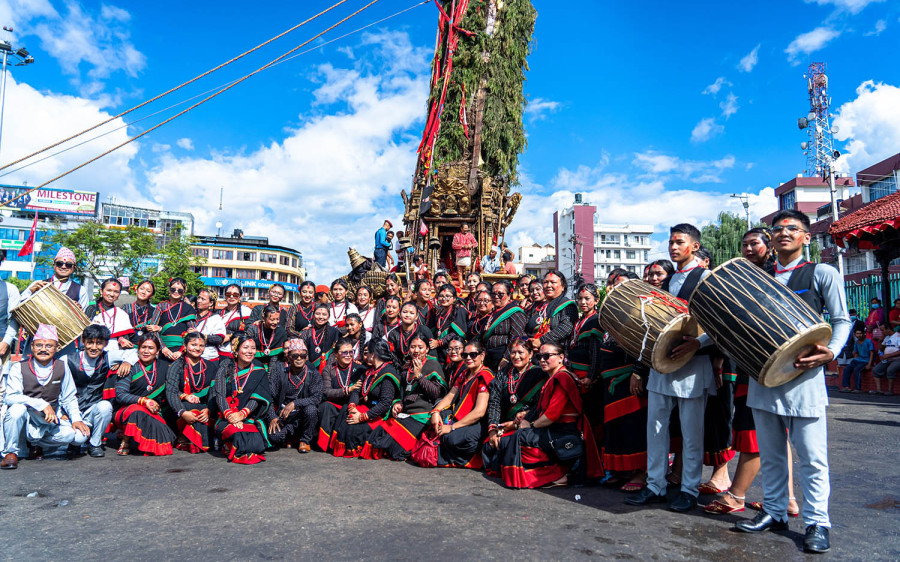
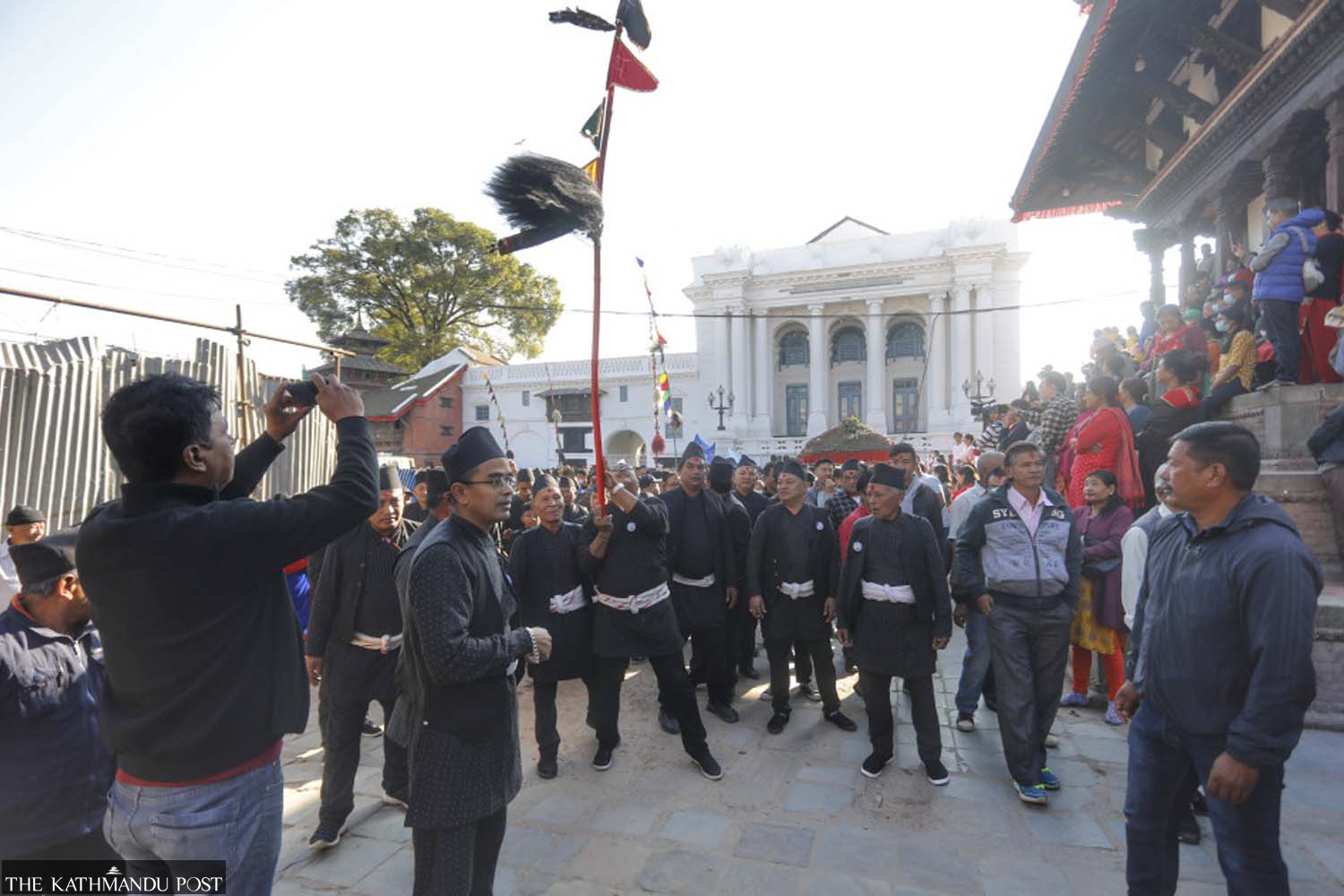
Beyond its global recognition, Lalitpur’s musical identity is deeply rooted in community life. From the resonant rhythms of the Panche Baja to temple-square percussion performances, music is inseparable from ritual and collective memory. Festivals like Rato Machhindranath turn streets into living stages, where musicians perform for the city itself.
But how can this heritage be preserved and evolved into a sustainable, valued cultural industry?
According to Nabha Basnyat Thapa, national programme officer and lead for the culture sector at UNESCO Nepal, Lalitpur’s designation as a Creative City of Music is less about symbolic recognition and more about long-term connection and collaboration.
The UNESCO Creative Cities Network (UCCN) Call for Applications, launched every two years, invites cities from UNESCO’s Member States and Associate Members to apply. Lalitpur submitted its application, along with a detailed four-year action plan, meeting UNESCO criteria.
Launched in 2004, the UCCN aims to strengthen cooperation among cities that recognise creativity as a strategic factor of sustainable development across economic, social, cultural, and environmental dimensions. By joining the network, cities commit to sharing best practices, developing partnerships that promote creativity and cultural industries, strengthening participation in cultural life, and integrating culture into urban development plans.
The network also supports the United Nations frameworks, particularly the 2030 Agenda for Sustainable Development. It spans eight creative fields: Architecture, Crafts and Folk Art, Design, Film, Gastronomy, Literature, Media Arts, and Music.
By joining the UNESCO Creative Cities Network, Lalitpur becomes part of a global community of more than 408 cities across more than 100 countries, including 84 cities explicitly recognised for music.
Thapa notes that the designation creates opportunities for Lalitpur to learn from other cities, share best practices, and collaborate on initiatives spanning music education, cultural infrastructure, and inclusive community engagement.
UNESCO’s role, Thapa explains, is not to implement programmes directly but to provide a framework for accountability and exchange. Cities within the network are required to submit progress reports every four years, detailing how their action plans are being implemented and how creativity is being integrated into education, urban planning, and economic development.
For local musicians, institutions and creative practitioners, engagement comes through participation—by collaborating with municipal initiatives, contributing to cultural programmes, and becoming part of the wider Creative Cities Network. The benefits, she adds, include increased international visibility, opportunities for partnerships, cultural tourism, and greater investment in creative industries, while ensuring that local talent remains at the heart of the city’s creative growth.
Post file photo
“Music in Lalitpur has never been just an art form—it has always been a way of life,” says Sabin Munikar, founder and director of Kathmandu Youth Orchestra and Kathmandu Music Institute, reflecting on the city’s designation as a UNESCO Creative City of Music.
According to Munikar, the designation offers something local musicians have often been denied: visibility and dignity. While traditional musicians carry generations of knowledge, many have remained overlooked within mainstream cultural narratives.
In the context of music education, Munikar believes the title places a renewed responsibility on institutions. Music institutes, he argues, must work at the intersection of heritage and contemporary practice—ensuring that learning is rooted in tradition while remaining responsive to global standards.
Munikar also challenges the idea that preservation and innovation exist in opposition. Traditional music, he notes, has always evolved with time. He believes educators must first ground students in foundational forms, ragas, folk rhythms, ritual music and indigenous instruments—so that innovation grows from understanding rather than detachment. At the same time, students should be encouraged to explore contemporary composition and cross-genre collaborations that draw from tradition.
Yet he points out that young musicians today face significant challenges. Financial insecurity and limited institutional support often make it difficult to pursue music as a career, while social pressures continue to push many towards more conventional professions. There is also a widening generational gap: much traditional knowledge remains oral, and without documentation, it risks disappearing.
For Binit Jwalananda Rajopadhyaya, a Patan-based flautist who has been actively engaged in music for the past 14 years, Lalitpur’s UNESCO recognition carries both promise and responsibility.
Rajopadhyaya is a member of the executive committee of ‘Paramparagat Sangeet Natya Samiti’, a collective of young musicians in Patan that trains and performs traditional music. He describes the initiative as a direct outcome of the momentum created by Lalitpur’s Creative City of Music status. He also points to the increasing number of music-related programmes organised by the local government, which, he says, benefit both musicians and audiences.
Yet, from a young practitioner’s perspective, the challenges remain deeply structural. Rajopadhyaya notes that much of Lalitpur’s traditional music is still practised primarily within the Newa community, raising questions about access and inclusivity. He believes that preserving tradition requires opening it up—not limiting it—and argues for common training centres where people from different communities can learn together. He also highlights the absence of a music museum in Patan, suggesting that such a space could help contextualise and safeguard traditional baja within the city’s cultural landscape.
His own experience, however, reveals the social barriers that persist. Rajopadhyaya recalls being discouraged from learning a traditional instrument after facing caste-based criticism—pressure that ultimately forced a learning group to disband. For him, such restrictions undermine cultural continuity rather than protect it. “These practices need to change,” he says, stressing that while policy support is important, transformation must also begin with a shift in social mindset.
Shivesh Sharma (Rajopadhyay), from Mangalbazar, is a hereditary priest and musician. He serves at Manikeshwor Narayan Temple and as an assistant priest at Kumbheshwor Baglamukhi Temple. He has been performing traditional music for nearly seven years, including Kartik Naach, evening bhajans at Krishna Mandir, Dafa bhajans at Bhimsen Mandir, and Mridang bhajans during Rato Machhindranath Jatra.
Sharma sees Lalitpur’s UNESCO Creative City of Music designation as a promising platform for young musicians. “Previously, these traditions relied almost entirely on the older generation,” he says. “Now, youths are getting opportunities to learn and perform. If the municipality actively supports local initiatives, the rich heritage of Patan’s bajas can be preserved. Creating platforms in schools, where students can receive proper training in these instruments, could also provide employment opportunities for young musicians.”




 19.27°C Kathmandu