



 20.12°C Kathmandu

Tue, Apr 7, 2026
Culture & Lifestyle
Bridging the gap
The doctor-patient relationship, currently enveloped in mistrust and blame, couldbenefit from a few easy remedies
bookmarkTechnological advancements of the present day might certainly have made our lives easier in terms of being able to maintain contact over sizeable distances—which has no doubt offered a great boost to the accessibility of medical science—but insofar as qualitative communication between health providers and receivers is concerned, few real improvements have been witnessed. A chasm of sorts between the two sides, and a general atmosphere of mistrust and speedy blame, persist to this day. But it is important to remember that it isn’t impossible to change this; there are any number of methods both doctors and patients could look to to help bridge the gap.
Communication between doctors and patients, or more frequently, the family members of patients, is essentially based on the need to exchange information that is pertinent to the patient’s health condition—in terms of treatment, means of evaluating the effects of said treatment on the quality of the patient’s life and scheduling further follow-ups, if necessary. Because even the most common illnesses tend to have certain subjective traits, specific to an individual’s lifestyle and genetic disposition, family members must acknowledge that there are bound to be a few unanswered questions. For both sides, it is therefore necessary to initiate a two-way dialogue, one that involves listening when the other person is talking, to be in silent surroundings where distractions are not at hand, to always make eye-contact throughout the conversation, to react to ideas, to gauge non-verbal messages and develop a sense of compassion.
Of course, there are many barriers that challenge good communication between health care providers and receivers. These could include physical barriers, where the presence of other people or things hamper the dialogue; semantics, where the words chosen by one of those involved in the conversation does not bring out the best in the other; misunderstanding the other’s motive; bad attitudes that stem from lack of confidence and low self-esteem; subjective barriers such as shyness, cultural differences, and conflicting values with regard to health services, among others; administrative difficulties where hospital management poses problematic in facilitating proper discussion; and a time limit, where counseling sessions are far too short.
Doctors, however, must keep in mind certain categories of people with whom they should take an even more delicate approach than usual. The elderly, for instance, might have a more difficult time than most in digesting information, and should therefore be given directions that are broken down into smaller components, while also checking to see if they’ve understood. This also applies to the mentally-ill, those with terminal illnesses, or little children. They shouldn’t be pushed to talk if they don’t express a desire to, and should be asked open-ended questions to get them feeling more comfortable with the doctor.
Essentially, the doctor-patient relationship is about forging understanding between the two parties, and that can only happen if both are willing to try to see the world through the other person’s eyes and perceive his or her emotions. While patients and their families must realise that medical science has its limitations and that doctors are doing all they can to save lives under those very limitations, doctors too must try to be sensitive and compassionate in their interactions with patients and their kin, making sure that they don’t rush consultations, and taking the time to impart fully all the information at their disposal.
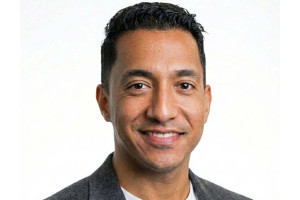
Dr Adhikary is Professor of Surgery at the BP Koirala Institute of Health Sciences, Dharan
Dr Shailesh Adhikary
Published at : February 24, 2014
Updated at : September 8, 2021 08:08
Communication between doctors and patients, or more frequently, the family members of patients, is essentially based on the need to exchange information that is pertinent to the patient’s health condition—in terms of treatment, means of evaluating the effects of said treatment on the quality of the patient’s life and scheduling further follow-ups, if necessary. Because even the most common illnesses tend to have certain subjective traits, specific to an individual’s lifestyle and genetic disposition, family members must acknowledge that there are bound to be a few unanswered questions. For both sides, it is therefore necessary to initiate a two-way dialogue, one that involves listening when the other person is talking, to be in silent surroundings where distractions are not at hand, to always make eye-contact throughout the conversation, to react to ideas, to gauge non-verbal messages and develop a sense of compassion.
Of course, there are many barriers that challenge good communication between health care providers and receivers. These could include physical barriers, where the presence of other people or things hamper the dialogue; semantics, where the words chosen by one of those involved in the conversation does not bring out the best in the other; misunderstanding the other’s motive; bad attitudes that stem from lack of confidence and low self-esteem; subjective barriers such as shyness, cultural differences, and conflicting values with regard to health services, among others; administrative difficulties where hospital management poses problematic in facilitating proper discussion; and a time limit, where counseling sessions are far too short.
Doctors, however, must keep in mind certain categories of people with whom they should take an even more delicate approach than usual. The elderly, for instance, might have a more difficult time than most in digesting information, and should therefore be given directions that are broken down into smaller components, while also checking to see if they’ve understood. This also applies to the mentally-ill, those with terminal illnesses, or little children. They shouldn’t be pushed to talk if they don’t express a desire to, and should be asked open-ended questions to get them feeling more comfortable with the doctor.
Essentially, the doctor-patient relationship is about forging understanding between the two parties, and that can only happen if both are willing to try to see the world through the other person’s eyes and perceive his or her emotions. While patients and their families must realise that medical science has its limitations and that doctors are doing all they can to save lives under those very limitations, doctors too must try to be sensitive and compassionate in their interactions with patients and their kin, making sure that they don’t rush consultations, and taking the time to impart fully all the information at their disposal.
Dr Adhikary is Professor of Surgery at the BP Koirala Institute of Health Sciences, Dharan





Most Read from Culture & Lifestyle




Editor's Picks

Nepal risks losing up to 132,000 jobs, $1 billion after LDC exit

Raped and left to die, teenager’s family wants answers

Bengal tigers move to mid-hills. Sighted in Palpa, Arghakhanchi

Escaping poverty at home, Nepali women fall into the Gulf trap

Once the heartbeat of Nepali democracy, now a ghostly shell
E-PAPER | April 07, 2026

×