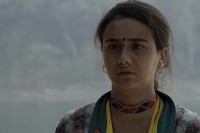
Celebrating world cinema, the 9th Nepal International Film Festival (NIFF) is presenting 88 films and documentaries from 40 countries. Photos: Courtesy of NIFF
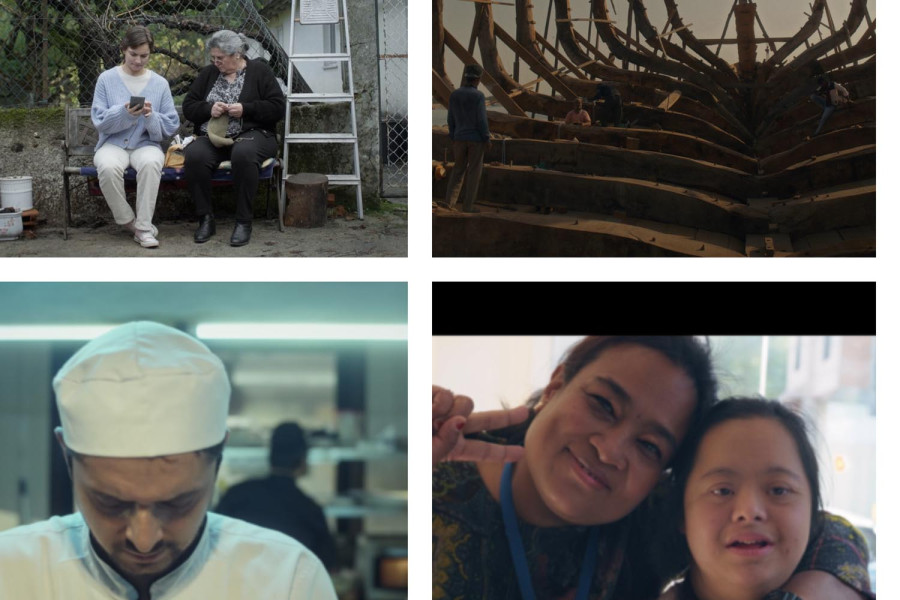
Nature certainly has its way. Filomena lives alone in Portugal’s inner neighbourhood, occupied with tending her vegetable garden and caring for her animal farm.
Her subtle ways of life are presented through vibrant colour gradings and frames that encapsulate her emotions and state of mind.
Filomena receives a call from her doctor informing her that not much time is left to live. When the future seems uncertain and vacant, one inevitably slips towards the past. Filomena carries the baggage of guilt and loneliness. Therefore, she took the matter into her own hands.
She hired an actress, Inês.
As the saying goes, “All the world’s a stage”. With Inês, she gradually unfolds her past, exchanging pre-planned dialogue and recreating moments when she could not be the best guardian for her daughter and grandchild. This time, with her ‘second chance’, she did it well.
Making peace with the past requires courage, vulnerability and emotional acceptance. Filomena confronts her mistakes and perhaps forgives herself towards the end. The film concludes with a quiet resolution suggesting that reconciliation, be it natural or carefully crafted, can still bring solace. The crude reality and honesty of human life projected through Filomena lingered with the audience as a bittersweet aftertaste.
Multiple narratives that unfolded the film’s metafiction emerged during the post-screening discussions. Director Joana Alves also shared her observation of how people from all over the world reacted similarly and in parallel to the film. ‘Emotions are universal,’ she concluded.
Take Care
Director and Screenwriter: Joana Alves
Language: Portuguese
Producer: Joana Alves, Nuno Bernardo
Cast: Teresa Faria, Ines Costa
The Other Side of the Coin
Three fish are transferred from an aquarium to a smaller container. The film starts with a rhetorical question, “Who are humans to decide the fate of the fishes?”
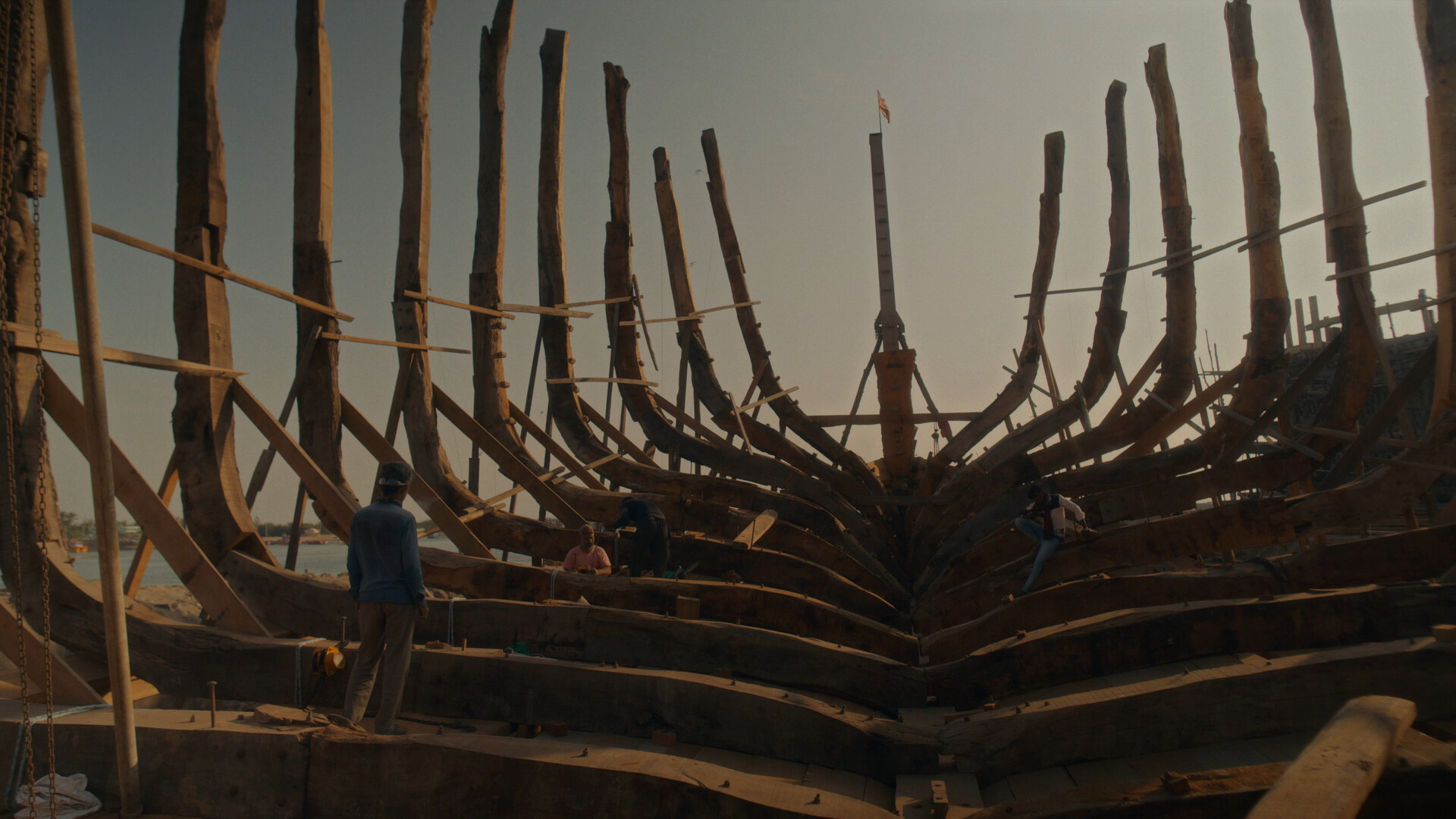
Analogy remains central to the film as three migrant workers, Man Bahadur, Madan and Durge, navigate diaspora in a semi-basement apartment. Life abroad exists in duality. These three shrink into the relentless rhythms of a restaurant’s kitchen during the day and sink into a void of their dreams and memories of home by night.
The film brings to the surface how, in the present, human value is dictated through labour and income. Watching the fish in a small container was unsettling. But they were not meant to be in the aquarium either. The obviousness of how the characters were institutionalised in their basement, versus how their lives should actually be, was echoing firmly and dauntingly from the screen.
Director Sanjay Shrestha is known for exploring themes of migration, identity, and resilience. ‘The Other Side of the Coin’ notably absorbed inspirations from The Bear.
This was not a story of three migrants and three fish. Migration carries a bigger picture, in the present and in the past. The quiet costs of emotional longing and loss are beautifully presented in the film through a warm tone and distinctive colours. The film concludes by addressing how, in accordance with individual desires, human beings are reshaping the laws of nature.
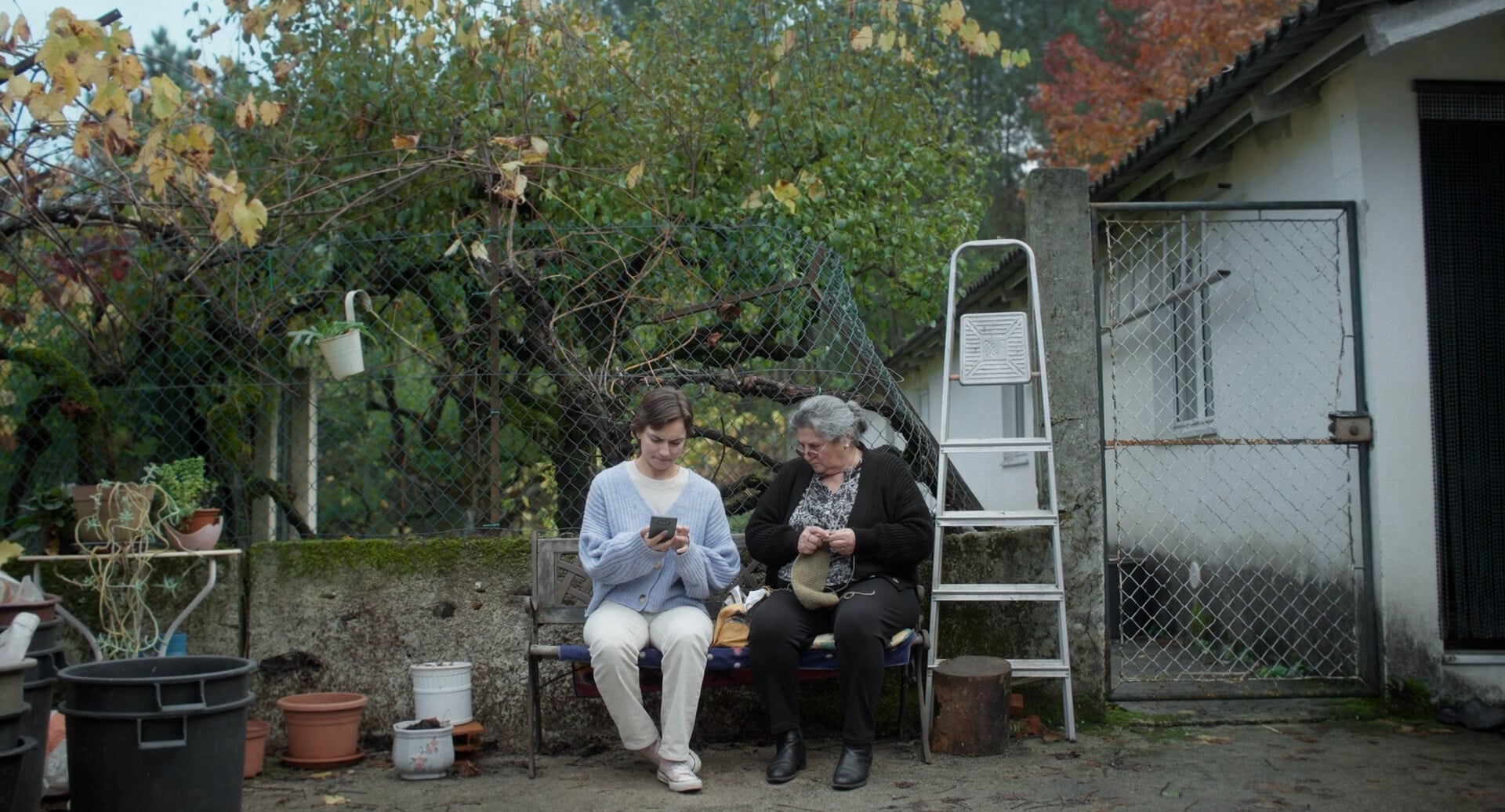
The friendship of Ranjit and Shyam comes full circle in the salt desert of Gujarat, India. Ranjit dreams of building a house like none other in the village, while Shyam aims for stable employment with his hard-earned degree. Eventually, both leave their village.
“Money is everything,” they say in unison.
The cycle of poverty is daunting. Director Igor Virabov’s visual narration of this cycle followed that of the monsoon season. Ranjit and Shyam’s attempts to escape scarcity came at the cost of detachment, loneliness and abandonment.
Irony surfaced when Ranjit, who dreamed of building a house, was assigned to demolish one. In an attempt to climb the social mobility ladder, they lost much more than they earned—a friendship that once bloomed against all odds in the salt mines of their village. “I am stuck in this cycle,” says Ranjit. “No matter what I do, there is still no money.”
When both start working on ship construction, the striking frames and static shots emerge. The duality of these characters’ lives is also portrayed with tension and cinematic climax. At the end, Ranjit returns home, and so does Shyam.
The filmmakers had started shooting this documentary in 2023. With the gradual understanding of the salt world, they masterfully captured the lived reality of the village.
The Tide Turns
Director: Igor Virabov
Language: Gujarati, Hindi
Screenwriter: Igor Virabov, Ivan Oganesov
Cast: Ranjit Salani, Shyam Maru
Udeko Chara
Shrava loves expressing herself through various forms of art—dancing, sewing, drawing and other creative activities. But particularly, dance holds a special place in her heart.
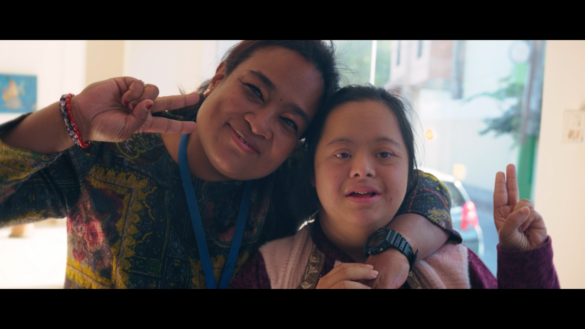
Shrava Shrestha is a 38-year-old woman with Down syndrome raised by her mother, Binu Shrestha. The documentary depicts the emotional and social freedom meant for Shrava, which, in the present, is entangled and lost in society’s stigmatisation and limited knowledge of intellectual disabilities.
With one step at a time, visible psychosocial growth can be observed in Shrava. Each of her achievements anchors the nurture, acceptance and patience of her mother, an environment that should exist in each corner of Nepal.
Director Luja Manandhar gently projects the importance of challenging ableism and creating spaces for voices that are often unheard. Through Shrava’s journey, the documentary calls for a society that celebrates individuality and dignity.
Udeko Chara
Director: Luja Manandhar
Screenwriter: Luja Manandhar, Nirveek Khatiwada
Cast: Shrava Shrestha, Binu Shrestha and Sarita Dangol




 21.42°C Kathmandu