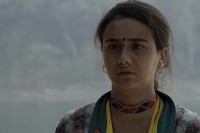
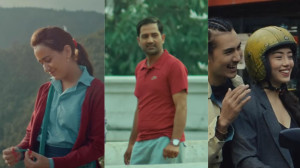
‘Ram Naam Satya’ comes laden with a great deal of anticipation, and, with very few exceptions, it lives up to it. Under the direction of Mycall Chand, the movie is shot mainly in Chitwan and Mustang, lending it a distinctly Nepali visual aspect and a cinematic look.
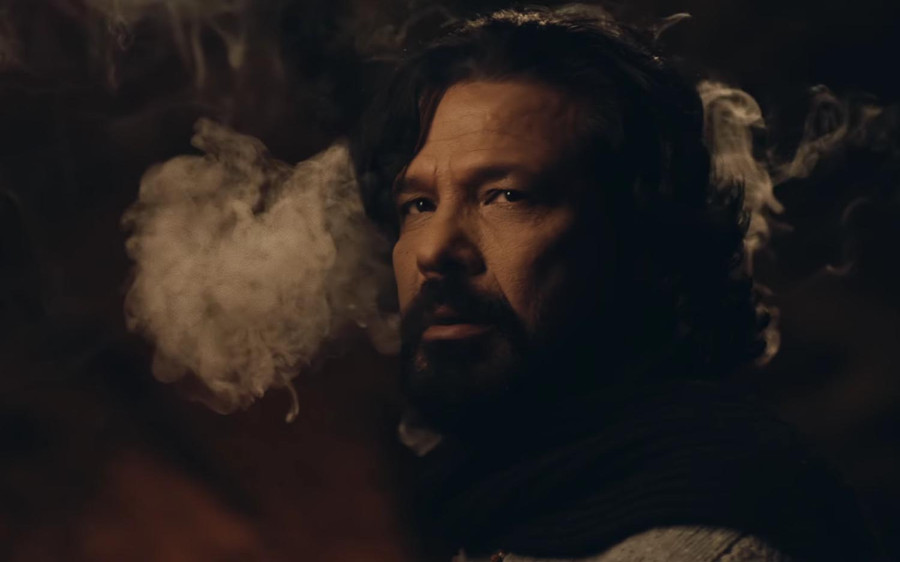
At the story’s centre is a premise that speaks directly to the fears of modern Nepali society. As corruption escalates to a massive scale and the nation begins to fall under the grip of mafia groups and foreign powers, a mysterious figure known as Agua—meaning “the leader”—starts killing corrupt politicians and businessmen, each time leaving behind his signature mark.
It is a setup that feels instantly electrifying for a Nepali audience weary of headlines about impunity and political decay. The film does not shy away from the consequences of its premise. Who is Agua? Is he a hero, a criminal, or something more morally complex? That question sits at the heart of the story, woven together with strands of romance, family tragedy, and a personal conflict that keeps the narrative grounded even as it moves into larger-than-life territory.
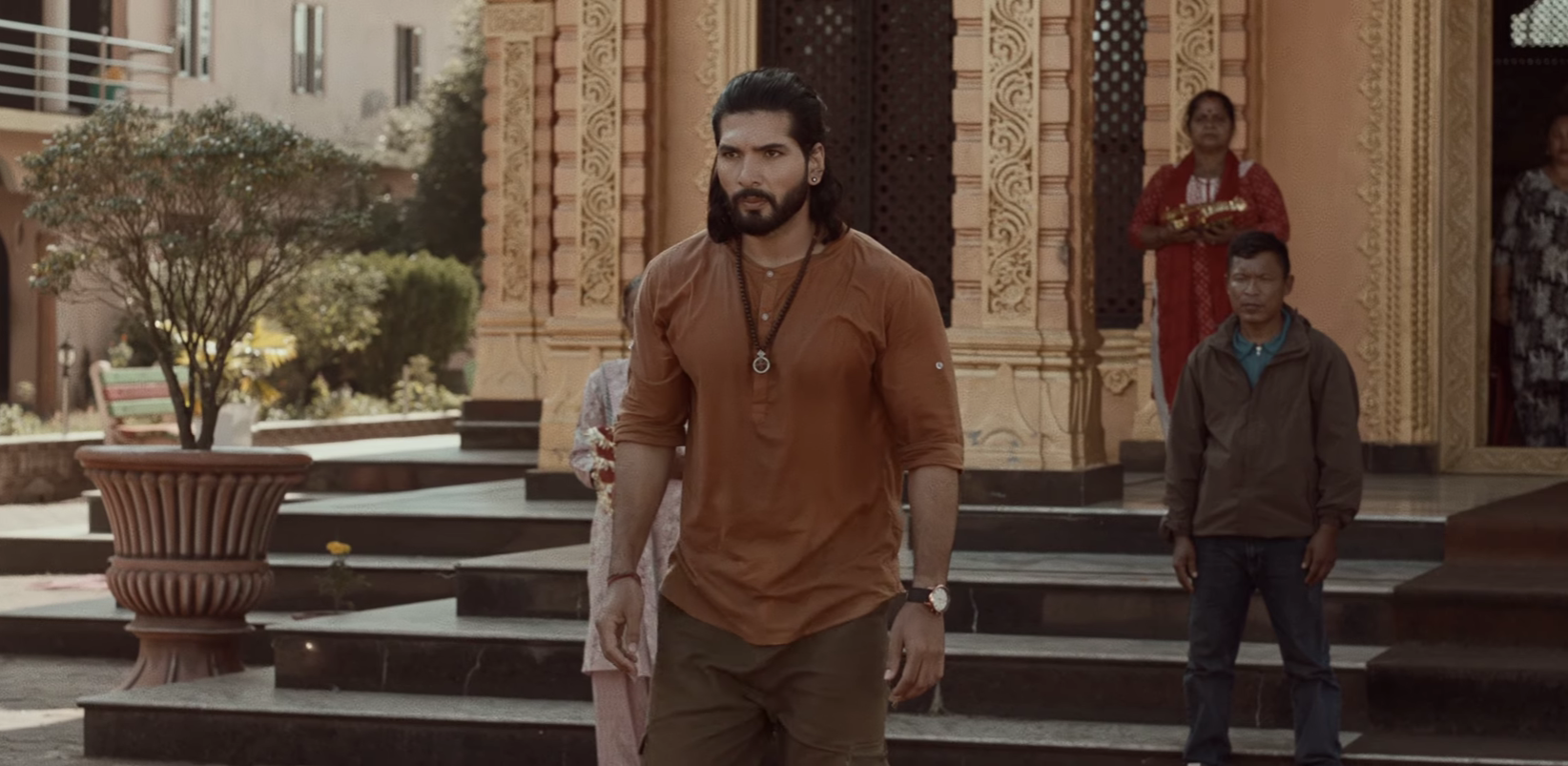
The central clash between Biraj Bhatta’s and Sushil Shrestha’s characters suggests a battle not merely physical but rooted in something far more personal—and the film is at its best when it leans into those layers.
The development of the story by the director, Chand, took five years, and this is reflected in the movie’s ambitions. What he has crafted is not a simple punch-and-kick entertainer but something with more layers of intent. The screenplay is occasionally uneven, with certain family-drama threads getting overwhelmed by louder action set pieces, but the emotional intent is always visible. It is not the tightest script Nepali cinema has seen, yet it is one written with purpose.
Biraj Bhatta dominates the screen and delivers intense dialogue and physical displays that have, in the past, made him one of the most bankable action stars in Nepali cinema. He is the film’s undeniable anchor and engine. All of the scenes in which he appears are with energy, and the way he delivers his lines is punchy, heavy, and perfectly on time. What makes Biraj’s appearance here more significant is that he also brings the movie’s sense and soul with him in an utterly believable way. When the story requires him to become vulnerable, he does. When it requires the upper hand, he dominates.
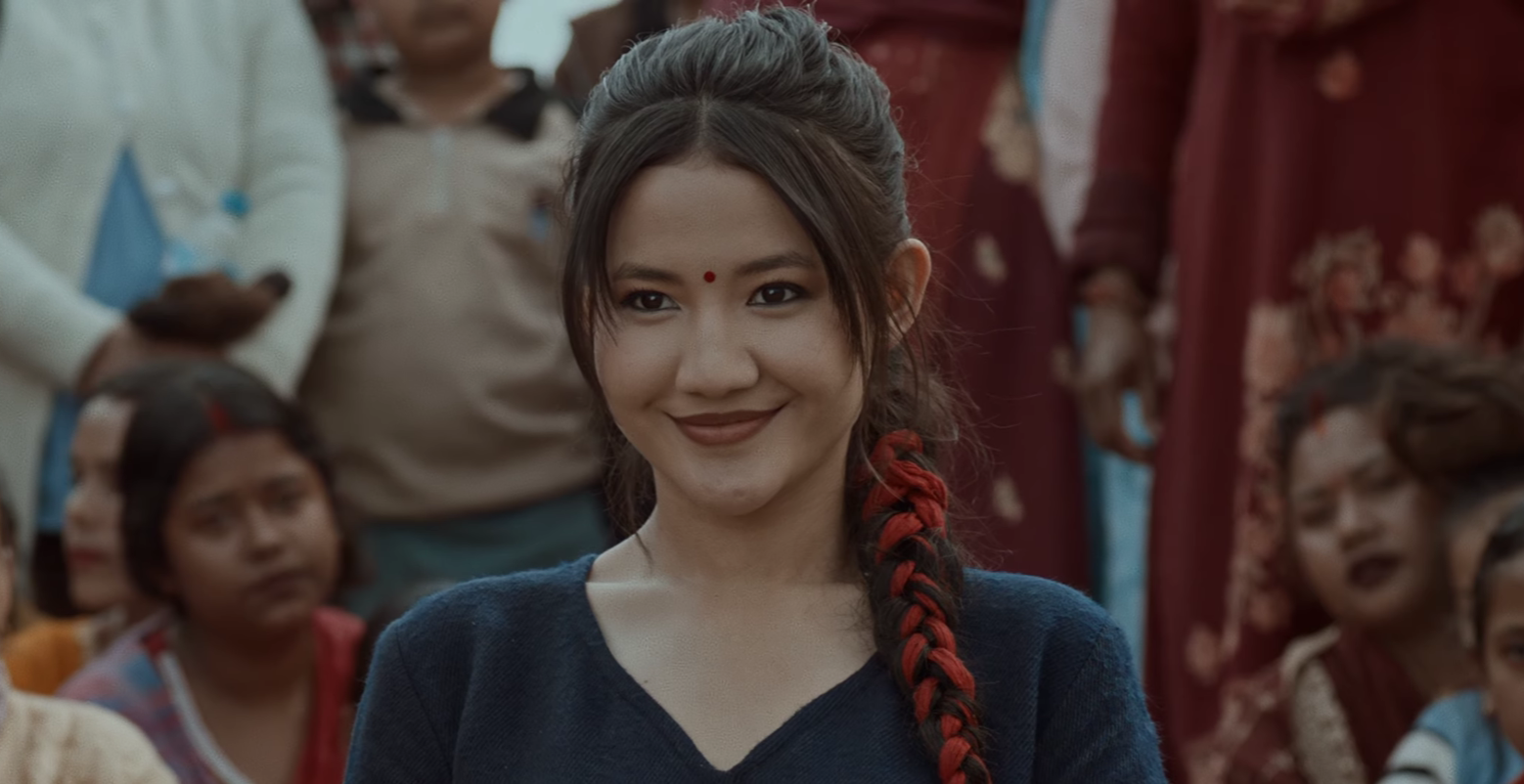
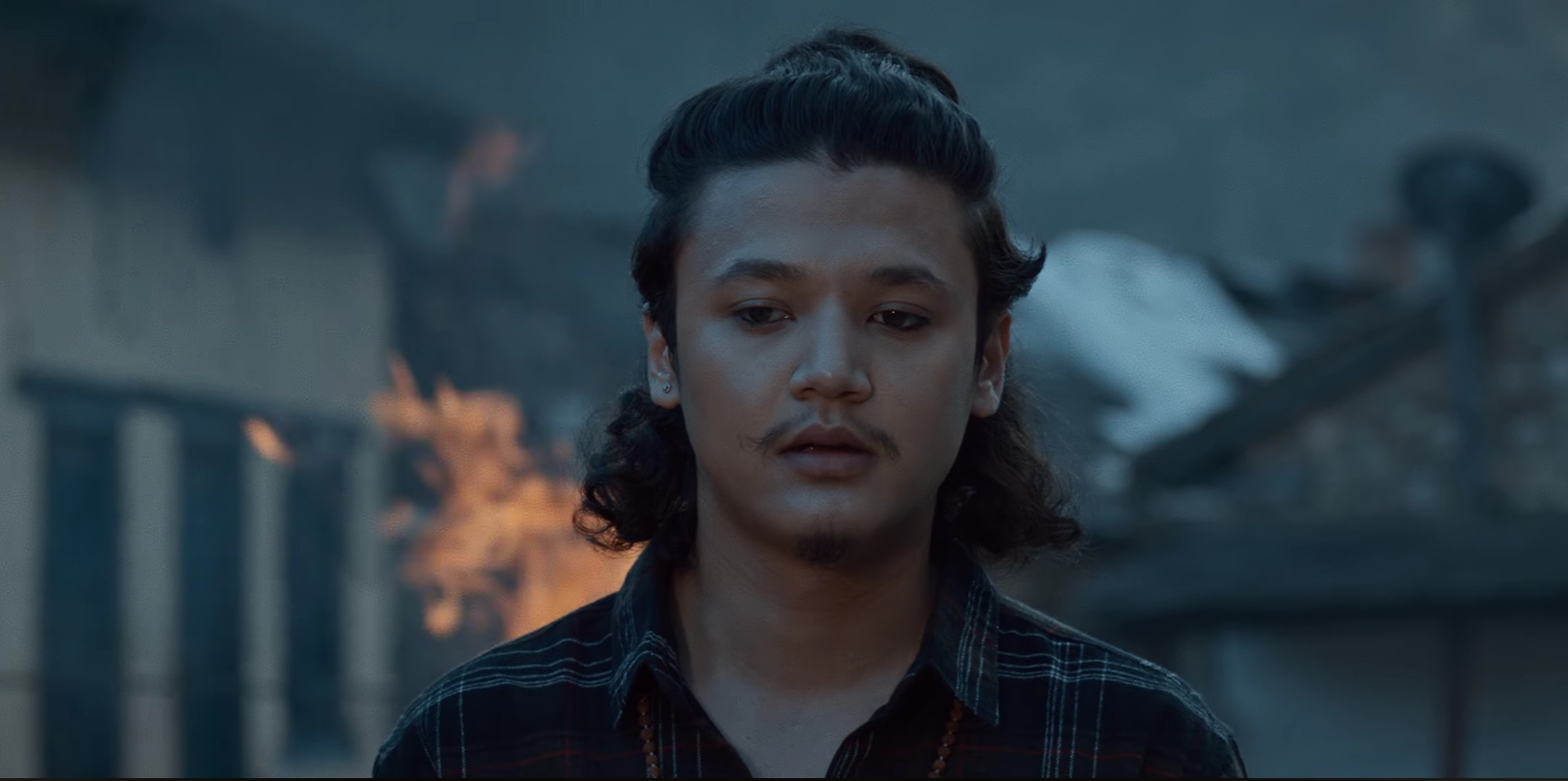
Sushil Shrestha and Divya Rayamajhi have a powerful romantic thread which lends the movie its warmer aspect. Their relationship is organic and relaxed, providing a refreshing break to very sophisticated parts of the film. Divya brings a light yet confident presence that makes her character more than just a romantic counterpart, while Sushil holds his own convincingly against the more seasoned cast members.
The most interesting new face is that of Aayoush Singh Thakuri, whose character is shrouded in suspense and intrigue. The debutant brings genuine screen curiosity to his role, and his character’s unfolding is one of the film’s more satisfying dramatic payoffs.
On the technical front, the film earns solid marks. The dramatic landscapes of Mustang and the fertile plains of Chitwan are fully utilised by cinematographer Manakrishna Maharjan, giving the film a visual richness that lifts it above many recent Nepali productions.
The action choreography is lively and physically convincing, making the fight sequences feel dangerous rather than ornamental. The editing maintains a steady pace, rarely letting the film drag, while the background score effectively builds tension, especially in the more suspenseful moments. The music, meanwhile, offers a few memorable tracks that complement the film’s tone without ever feeling out of place.
The movie stumbles in the middle section, where far too many storylines vie for attention, and the mood shifts between comic, romantic, and serious drama are jarring rather than fluid. The second act could have used a more direct cut, which would have significantly enhanced the overall experience. Even supporting characters sometimes lack the development they truly warrant, which, in a way, mutes the emotional impact of the climax.
But these are the flaws of an ambitious movie, not a lazy movie. ‘Ram Naam Satya’ is a mass-pleasing Nepali movie that delivers on its essential promise: action, emotion, romance, and spectacle, all built around a story that dares to ask uncomfortable questions about power, justice, and what it means to take matters into your own hands when the system fails. Biraj Bhatta reminds viewers of why he is an indispensable element to Nepali cinema, and Mycall Chand demonstrates that he has the vision and patience to create vibrant narrative cinema long after choreography.




 23.54°C Kathmandu