23.39°C Kathmandu
Movie review: ‘12 Gaun 2’ delivers the fights but forgets the story
Biraj Bhatta’s sequel is weighed down by a disjointed plot, underwritten characters and a villain whose portrayal leans on a damaging stereotype.
Biraj Bhatta’s sequel is weighed down by a disjointed plot, underwritten characters and a villain whose portrayal leans on a damaging stereotype.
One might get a sense that the movie doesn’t have a full handle on the mayhem Facebook has caused. Or Aaron Sorkin didn’t think it would make for compelling cinema.
The audience is there. The money is growing. But the film industry still struggles with a distribution system that favours foreign films, underpaid workers and a shortage of investment in original storytelling.
Growing up looks different for everyone. These films explore adolescence, loss, responsibility, identity, and the difficult process of finding your place in the world.
Rekhi’s film on Aravind Adiga’s novel is passable in theory but leaves more to be desired towards the end.
Dipendra K Khanal’s 2022 film follows a dead migrant worker on his final journey home, finding grief, intimacy and a changing society in the silences along the way.
Na Hong-jin’s film begins with an atmospheric feature set in a rural community before its expanding scale dilutes the suspense.
Spanning five decades, ‘Kokuho’ traces one performer's moral cost of becoming indispensable to art.
The film tackles patriarchy and autism with compassion, but its uneven storytelling leaves much to be desired.
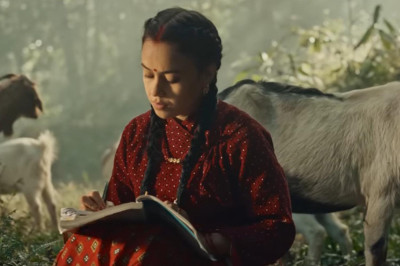
In ‘Left-Handed Girl’, tradition and parental love collide, revealing how ordinary moments shape a child’s understanding of herself.
Though the series, in parts, looks like a corporate film, the story and the acting make it an engaging watch.
‘Once We Were Us’ traces the emotional arc of two former lovers who meet again after a decade, only to find that time has softened memories but sharpened regret.
Mycall Chand’s ambitious film mixes spectacle with social commentary, led by a commanding Biraj Bhatta.
Celebrating world cinema, the 9th Nepal International Film Festival (NIFF) is presenting 88 films and documentaries from 40 countries.
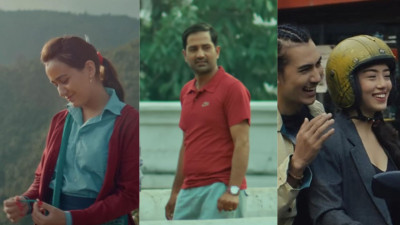
What begins as a glossy Gen-Z romance gradually reveals itself as a study of how class shapes intimacy.
Based on real-life events, ‘Haq’ examines how legal battles intersect with societal judgment and personal resilience.
The film tries to unpack migration’s psychological toll, even as its storytelling feels rushed in parts.
From folk horror and coming-of-age stories to questions of caste and spirituality, these films explore identity, belief and relationships through distinct cinematic voices.
The film captures the complexities of modern relationships through a woman’s eyes, blending solitude and friendship.
Although the film impresses with striking visuals, its overly verbose dialogues and exaggerated violence prevent it from realising its potential.