Freedom of expression is deteriorating, and restrictions on dissent are increasing in Nepal, Amnesty International said in its latest global report, warning of a broader rise in authoritarian practices worldwide.
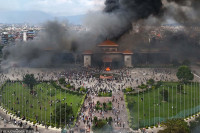
The report, released in Kathmandu on Tuesday, highlights growing attacks on freedom of expression and the right to peaceful assembly in Nepal, noting that laws are increasingly being used to curb dissent.
Covering the period from January 1 to December 31, 2025, and analysing the situation in 144 countries, the organisation concluded that authoritarian tendencies increased worldwide throughout the year, with some governments enacting legislation aimed at silencing opposition voices.
Agnès Callamard, secretary general of the organisation, said incidents of genocide, war crimes and crimes against humanity are increasing worldwide. She also warned that digital repression, driven by technology and artificial intelligence, has created new threats to human rights, including the misuse of AI and social media.
On Nepal, Amnesty urged the government to address concerns related to peaceful protest, freedom of expression, transitional justice and accountability. It called on authorities not to criminalise peaceful civil disobedience and to ensure accountability for violations during protests.
The report flags Nepal’s transitional justice process, which has remained unresolved for nearly 19 years. While laws and commissions have been established, progress has been slow and insufficiently centred on victims, it said.
According to Amnesty, victims’ rights to truth, justice and reparations remain often unaddressed, fostering a culture of impunity. The issue continues to draw scrutiny at international forums, as authorities have failed to hold perpetrators of conflict-era abuses accountable.
The report also notes that prisoners’ rights are not adequately protected in jails across the country, citing overcrowding and violations of basic standards.
It highlights the prevalence of caste-based discrimination and gender-based violence, as well as concerns over encroachment on the lands and rights of indigenous communities.
In addition, cases of fraud and workplace abuse involving migrant workers underline the unsafe conditions faced by Nepali labourers abroad, the report says.




 23.25°C Kathmandu