Four Nepali short films to watch on YouTube in 2026
From folk horror and coming-of-age stories to questions of caste and spirituality, these films explore identity, belief and relationships through distinct cinematic voices.
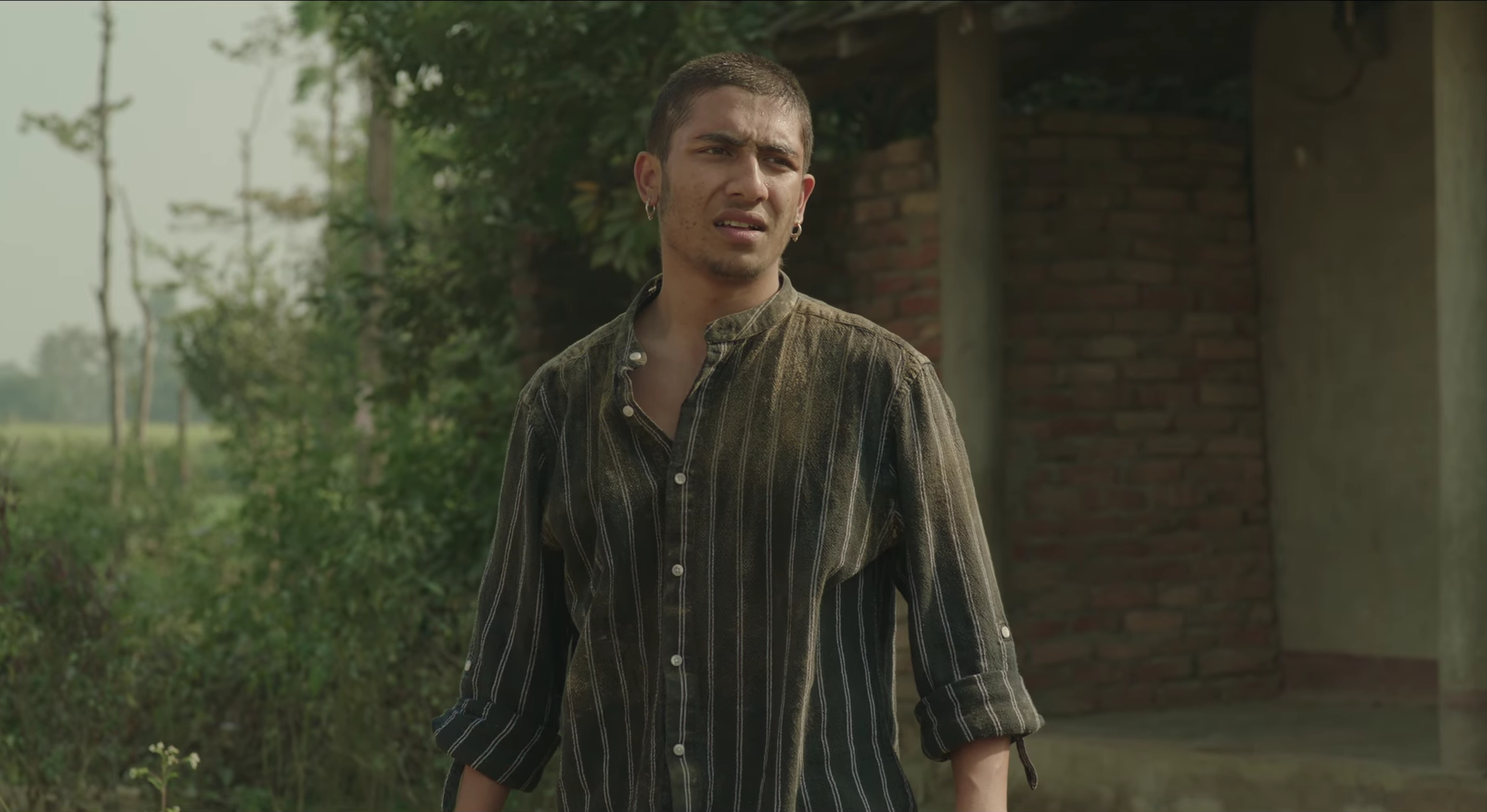
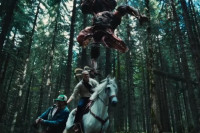
Akhil seems to be driven by a motive. A beleaguered and isolated ultimatum ventures with him to a village with the hope of saving his sister, who is on the brink of survival. The film navigates the psychological shifts of Akhil, subsumed by his ambiguous faith in pitri–a deceased ancestor viewed as semidivine—to save his sister’s life.
Within the span of 13 min 51 sec, ‘Pitri’ stands out through its static shots and close-ups with minimal lighting to amplify the folk-horror essence. “Pitri is not a specific re-telling but rather captures the mood of these stories. The film is an exploration of memories and beliefs shaping our identity,” writes director, writer and editor, Rozway in the film’s description.
Screengrabs via Youtube
Anmol Adhikari, as Akhil, masterfully embodies the characters’ intentions even in the silence between the shots. Made in Mahottari, Nepal, a particular scene where a shopkeeper spits after Akhil leaves his shop is a prominent blend of traditional and ritual practices to repel spirits, representing cultural aspects as a striking feature embedded in the film’s core.
With vibrant colours and sharp cinematography, ‘Pitri’ is an experimental short film that portrays cinema, not just through a linear narrative, but as a thought-provoking blend of myths, imagination and reality.
The film was selected for the world premiere at the Tasveer Film Festival & Market in 2025, followed by an official selection at the Goa Short Film Festival in 2025.
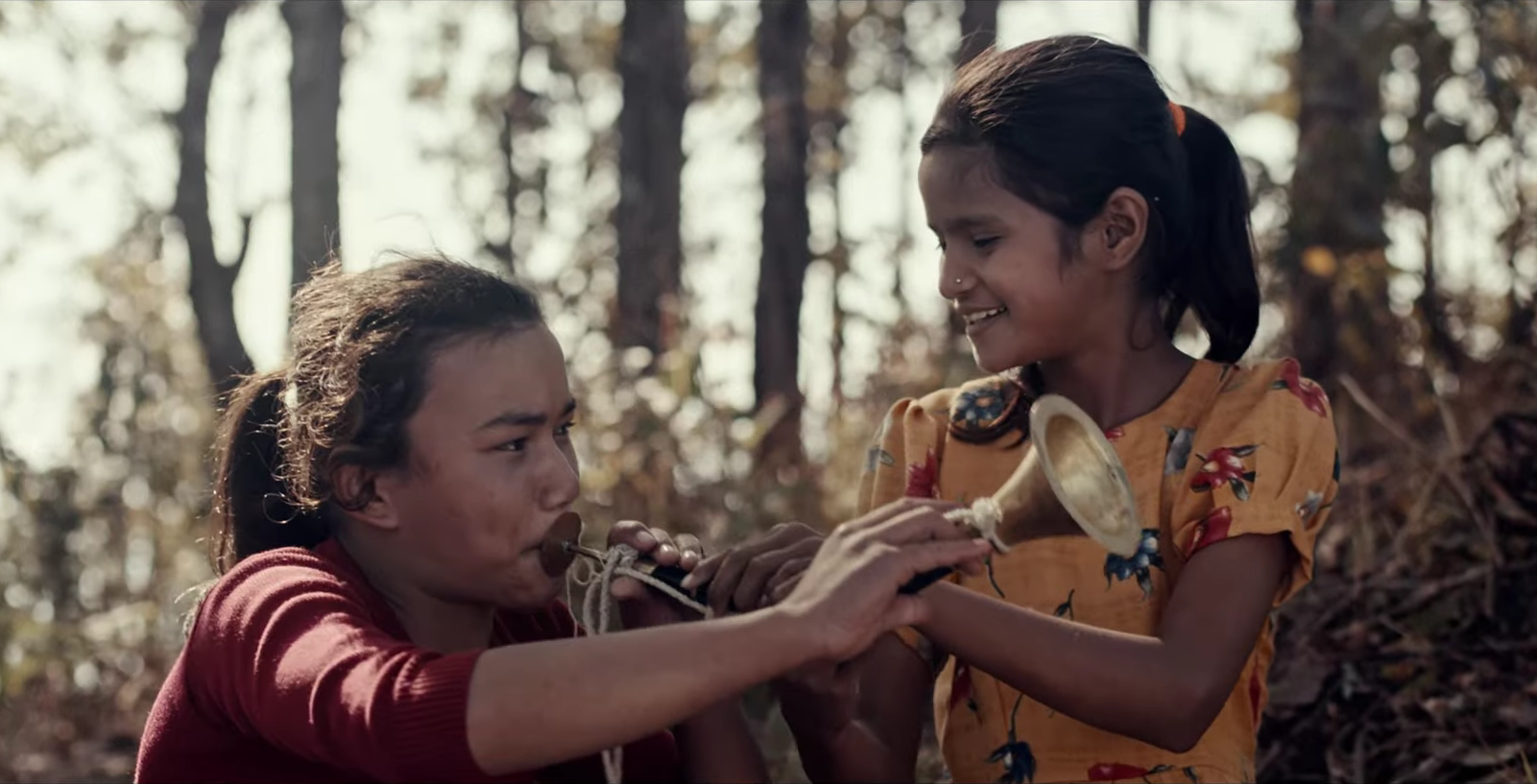
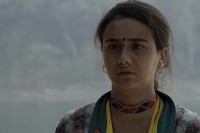
Maya is rebellious. In a society that constructs restrictive rules around caste, touchability, and relationships, Maya and Rupa are portrayed beyond the conventional encapsulations. Introducing the characters in the atmosphere of Maya’s uncle’s marriage, the cultural and gender norms built by the fabric of society are vividly reflected in their actions and perceptions.
Sanai is a traditional folk instrument played at festivals and weddings. It is also Maya’s favourite instrument. At the heart of the film, her journey of exploring, befriending Rupa, and learning to play Sanai is portrayed.
Director Karki carefully places each character in every frame. The location, atmosphere, and costumes strengthen the film’s overall mood and meaning.
The film raises an important question about inequality and discrimination that continue to exist in people’s minds even after being declared illegal. It also shows that music and instruments do not choose their audience. Anyone who plays them can lose themselves in their sound and rhythm.
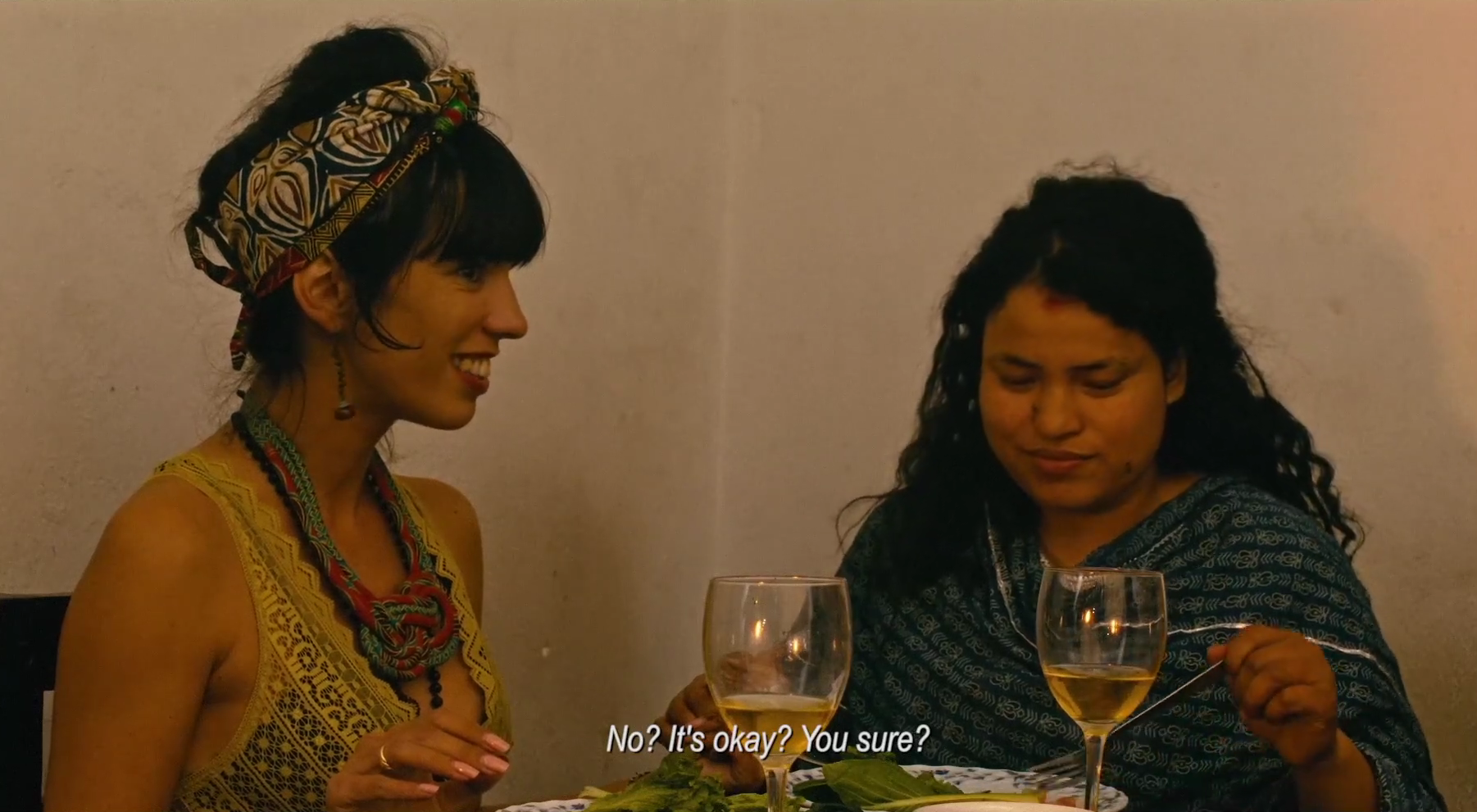
‘A coming-of-age Nepali Short Film’ is particularly descriptive for ‘Naulakhe Taara’. Kaviraj, a 13-year-old ‘lover-boy’, navigates his unrequited love for Grace, a rather older foreign woman from the West, who seems to like oranges.
The film’s intense, distinctive colour grading and the momentary, stagnant shots beautifully convey the directional vision and perhaps cinematic inspirations of Wes Anderson’s films.
The short film presents the father-son relationship through exchanges. Kaviraj learns about love, music and mathematics from his father. He draws closer to the song ‘Naulakhe Taara’ by Panna Kaji after Grace leaves for her country. Lamenting the memories of having his lover next door, Kaviraj indoctrinated his father’s saying, “It’s when you listen to the words, the song truly becomes yours.”
Naulaakhe tara bandachau timi ma pugna sakdina
Ekohoro maya matrai ho ma pauna sakdina
Kaviraj’s experience of being a distant lover, presuming Grace to be Naulakhe Tara, observing her through a magnifying glass in the mists of orange, stands at the heart of the film.
Divided into three chapters—‘Grace’, ‘Papa’, and ‘Naulakhe Tara’—the short film skillfully presents its story, plot, and characters within just eight minutes.
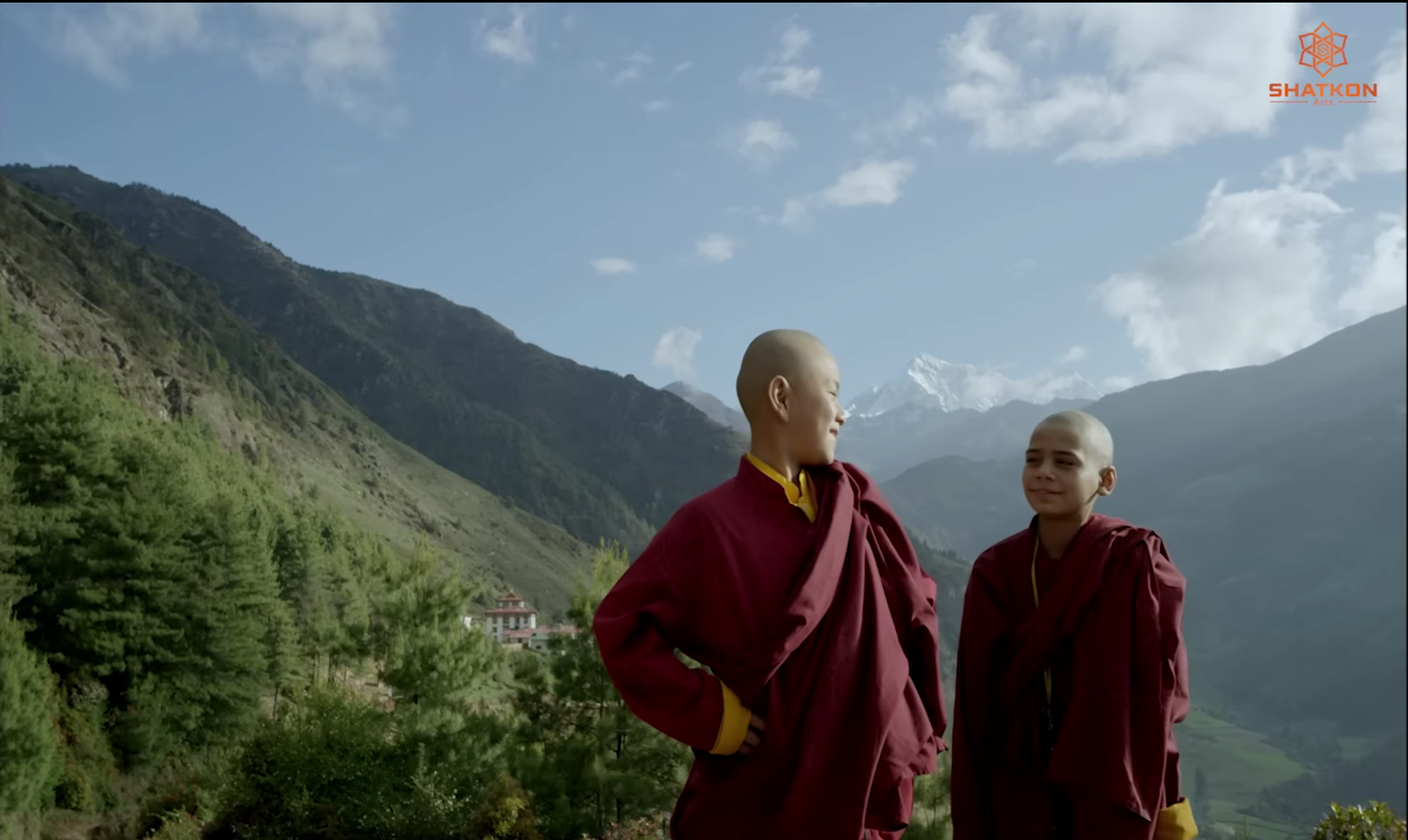
Set against Nepal’s striking landscapes, ‘Supermonk’ tells a story of friendship, spirituality, innocence, and compassion. Tachi is a carefree child who, despite political unrest and chaos around him, stands out as a young monk dreaming of becoming a superstar. When he meets another boy, his kindness and caring nature slowly unfold, offering comfort and companionship and revealing the heart of the film.
‘Supermonk’ is about acceptance and transformation. Starring Norden Lama, Kiran Gautam, Nima Tenzing Lama, and Omdi Norbu Sherpa, the film, even with minimal dialogue, explores self-identity and the strength of monastic life.
Cinematography is the film’s primary feature. Wide-shots capturing the landscape and monasteries are a sight of tranquillity.
‘Supermonk’ has received multiple recognitions, including the Audience Award at the Kathmandu International Film Festival and the Yala International Film Festival, as well as the Canal + Award, War On Screen, France.




 21.42°C Kathmandu