



 14.81°C Kathmandu
Sat, Oct 24, 2026
Money
How confident is Nepal’s business community after the Gen Z uprising?
Record foreign exchange reserves and surplus liquidity have failed to offset private-sector wariness amid political instability.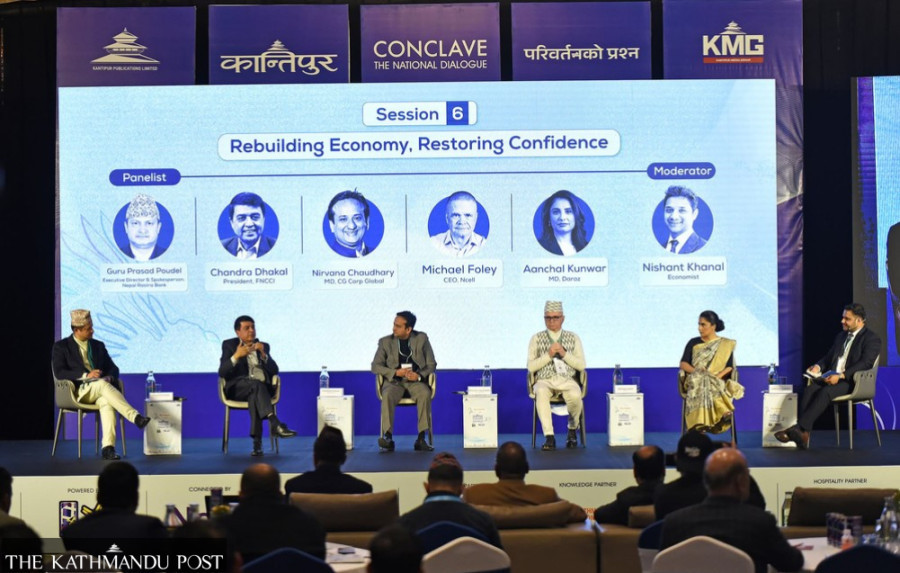
bookmark![]()
FNCCI president Chandra Dhakal Dipen Shrestha/TKP ![]()
Ncell CEO Michael Foley Dipen Shrestha/TKP ![]()
CG Corp Nepal MD Nirvana Chaudhary Dipen Shrestha/TKP ![]()
Daraz MD, Aanchal Kunwar Dipen Shrestha/TKP ![]()
Nepal Rastra Bank Spokesperson, Guru Prasad Paudel Dipen Shrestha/TKP
Post Report
Published at : February 9, 2026
Updated at : February 11, 2026 10:45
Kathmandu
Nepal’s private sector is looking to the next government for reassurance after the September Gen Z uprising dealt a major blow to business confidence, further unsettling an already fragile investment climate.
Just as the economy was showing early signs of recovery from the Covid shock—after years of political volatility and a recessionary phase—the protest movement emerged as another setback. Businesses, the country’s largest employers, say the unrest froze investment decisions and deepened uncertainty.
The contradiction in the economy is stark. Nepal’s foreign exchange reserves climbed to a record Rs3.20 trillion by mid-December 2025—more than half of the country’s gross domestic product—highlighting an unusual situation of excess liquidity alongside weak growth, sluggish investment and rising unemployment.
Economists say the reserves now far exceed Nepal’s actual financing needs. Rather than signalling economic strength, the surge has been driven largely by rising remittance inflows as young Nepalis continue to leave the country, while domestic consumption and private investment remain subdued.
“This is a recession-like situation—full reserves but no investment,” economists say, noting that such conditions typically reflect political instability and eroding private-sector confidence.
Business leaders sounded the alarm during the sixth session, Rebuilding the Economy, Restoring Confidence, at the Kantipur Conclave, Kantipur Media Group’s flagship event. They urged policymakers to recognise the private sector as the primary engine of growth and job creation.
Chandra Dhakal, president of the Federation of Nepalese Chambers of Commerce and Industry, said the private sector tends to be the first casualty in every protest. He blamed the destruction of businesses and private property during the Gen Z movement on the infiltration of vested interests.
“This kind of violent activity did not happen in previous movements,” Dhakal said. “It has created fear across the private sector. Although most businesses have reopened, many will take time to recover.”
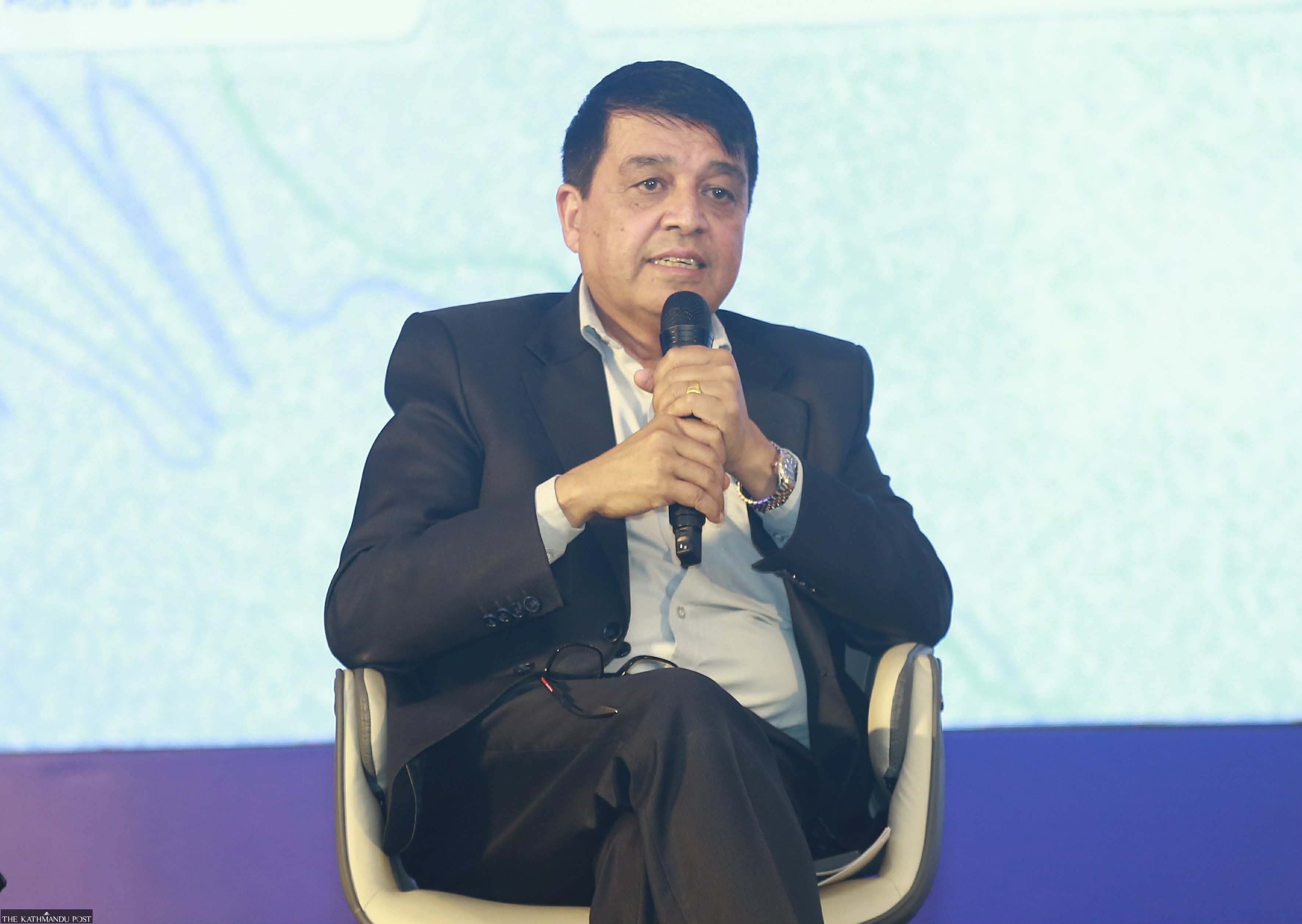
Dhakal also pointed to what he called a persistent negative perception of the private sector.
“This mindset has to change,” he said, adding that the federation has submitted a private sector protection and promotion plan to the prime minister to prevent a repeat of such incidents.
He further argued that unstable policies have pushed Nepal away from manufacturing and towards trading. Responding to criticism that businesspeople prefer trade over production, Dhakal said government policy is the main obstacle. “Business follows profit,” he said. “If the government offers tax and other incentives to manufacturing, traders will also shift.”
Among the companies affected by the unrest was Nepal’s largest private telecom operator, whose building was set ablaze during the protests.
Michael Foley, chief executive officer of Ncell, said investors are now focused less on what happened in September and more on the political direction after the March 5 election. “What matters is what happens next,” he said.
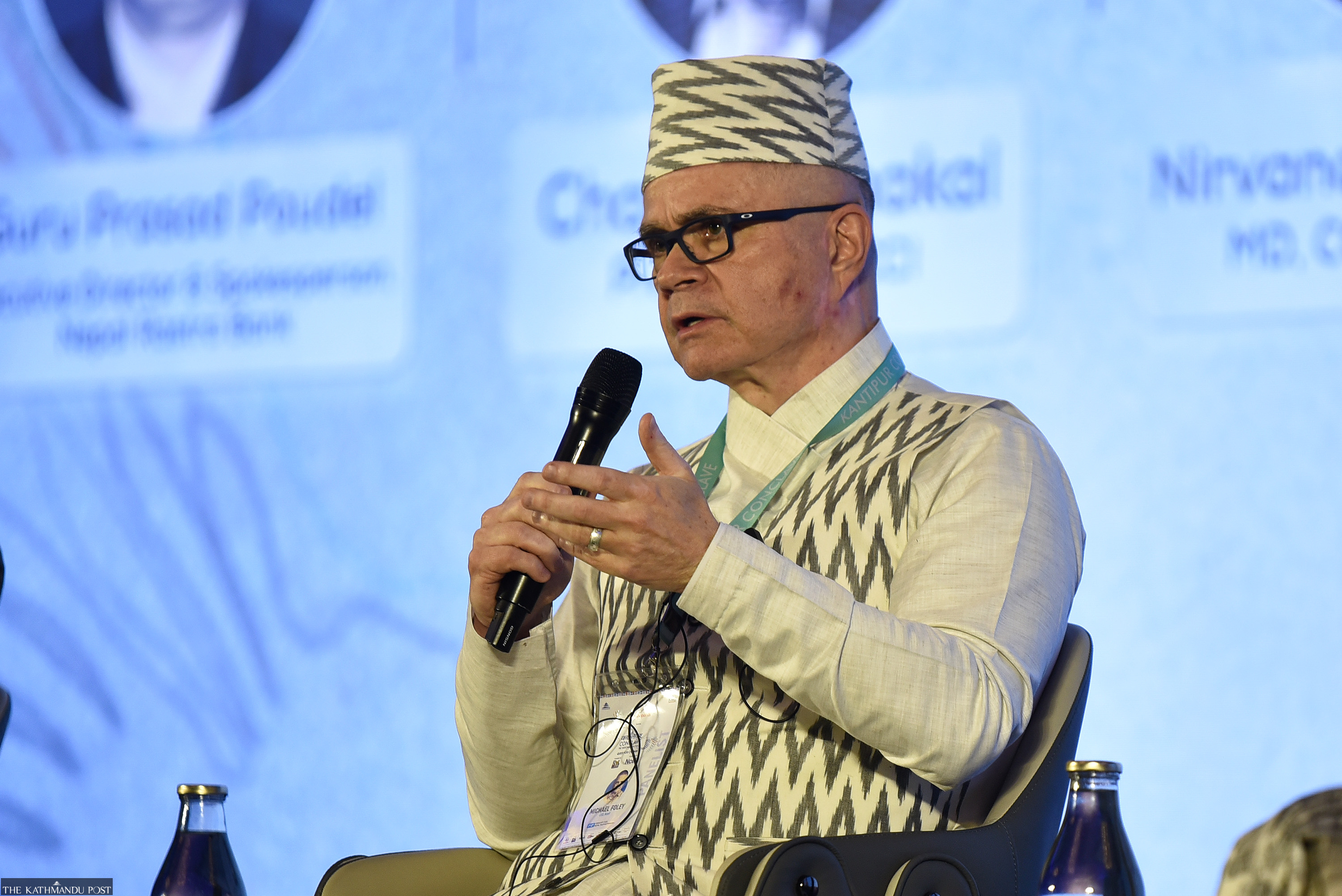
Ncell, which has operated in Nepal for nearly 22 years, plans to stay and expand. Foley said the company is prepared to invest $250 million to upgrade the country’s telecommunications infrastructure. “We are five to eight years behind our neighbours and the rest of the world,” he said. “If we get the necessary approvals, we will bring 5G, gigabit services to homes and develop data centres.”
The Gen Z uprising also hit Chaudhary Group, Nepal’s largest multinational conglomerate.
Nirvana Chaudhary, managing director of CG Corp Global, said domestic investors have the capacity and resilience to drive growth if given a supportive environment.
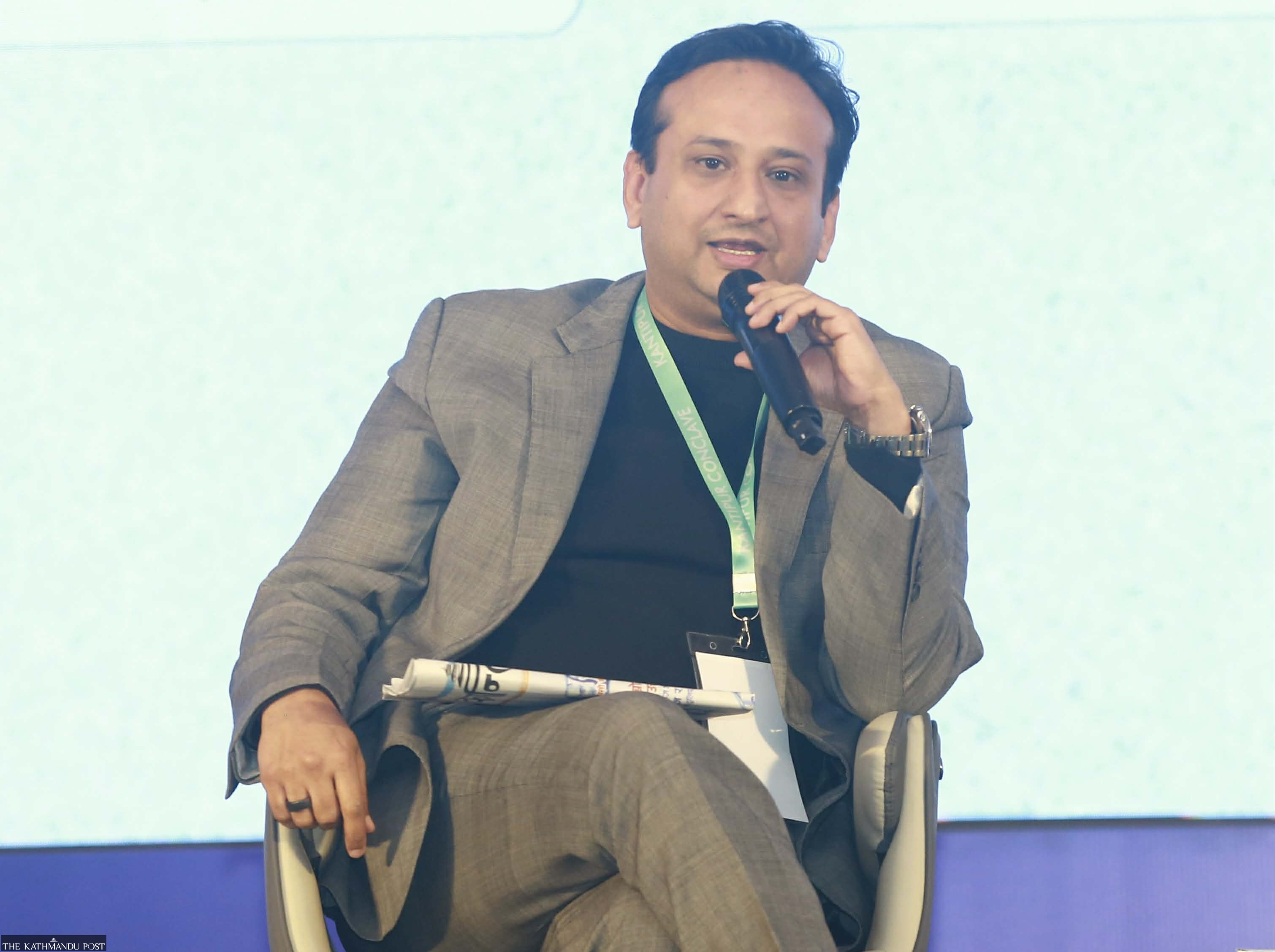
“We must first protect local investors and provide them with conducive conditions,” he said. “Despite political instability, the fundamental opportunities are there.” Chaudhary said the group has invested $0.5 billion over the past decade and plans to invest a similar amount in the next 10 years.
Aanchal Kunwar, managing director of Daraz Nepal, said the protests disrupted business plans during the crucial Dashain season. “We had to cancel our sales campaign because public sentiment was negative,” she said. “It hurt sellers badly.”
However, after reworking its strategy, Daraz saw strong sales growth. The platform connects around 24,000 sellers, 85 percent of whom are small and medium entrepreneurs. Kunwar said e-commerce lowers barriers by eliminating the need for physical stores and heavy marketing costs.
During the annual 11.11 [November 11] sale, around 1.1 million customers visit the platform daily, offering small sellers unprecedented exposure. While the offline market has struggled in recent years, Daraz has recorded around 40 percent year-on-year growth.
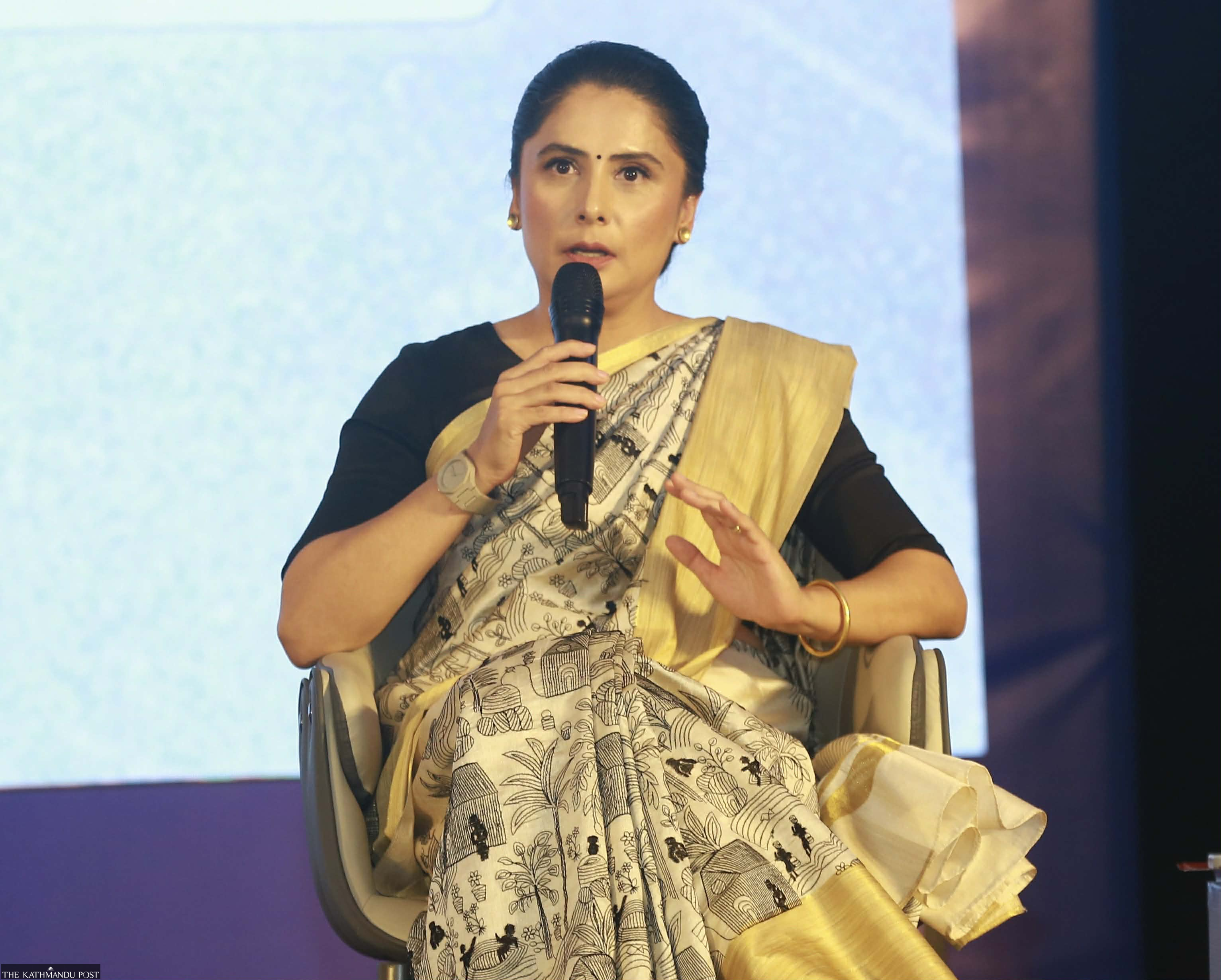
Kunwar echoed concerns about public attitudes towards employers, saying negative perceptions of businesses discourage entrepreneurship and investment.
From the regulator’s side, Nepal Rastra Bank spokesperson Guru Prasad Paudel said weak investment confidence has slowed credit demand. “The lack of credit flow reflects concerns about security and doubts over returns from productive sectors,” he said.
Poudel cited a recent private-sector survey showing that nearly 70 percent of investors are undecided about future investments, while 8 percent said they no longer plan to invest at all.
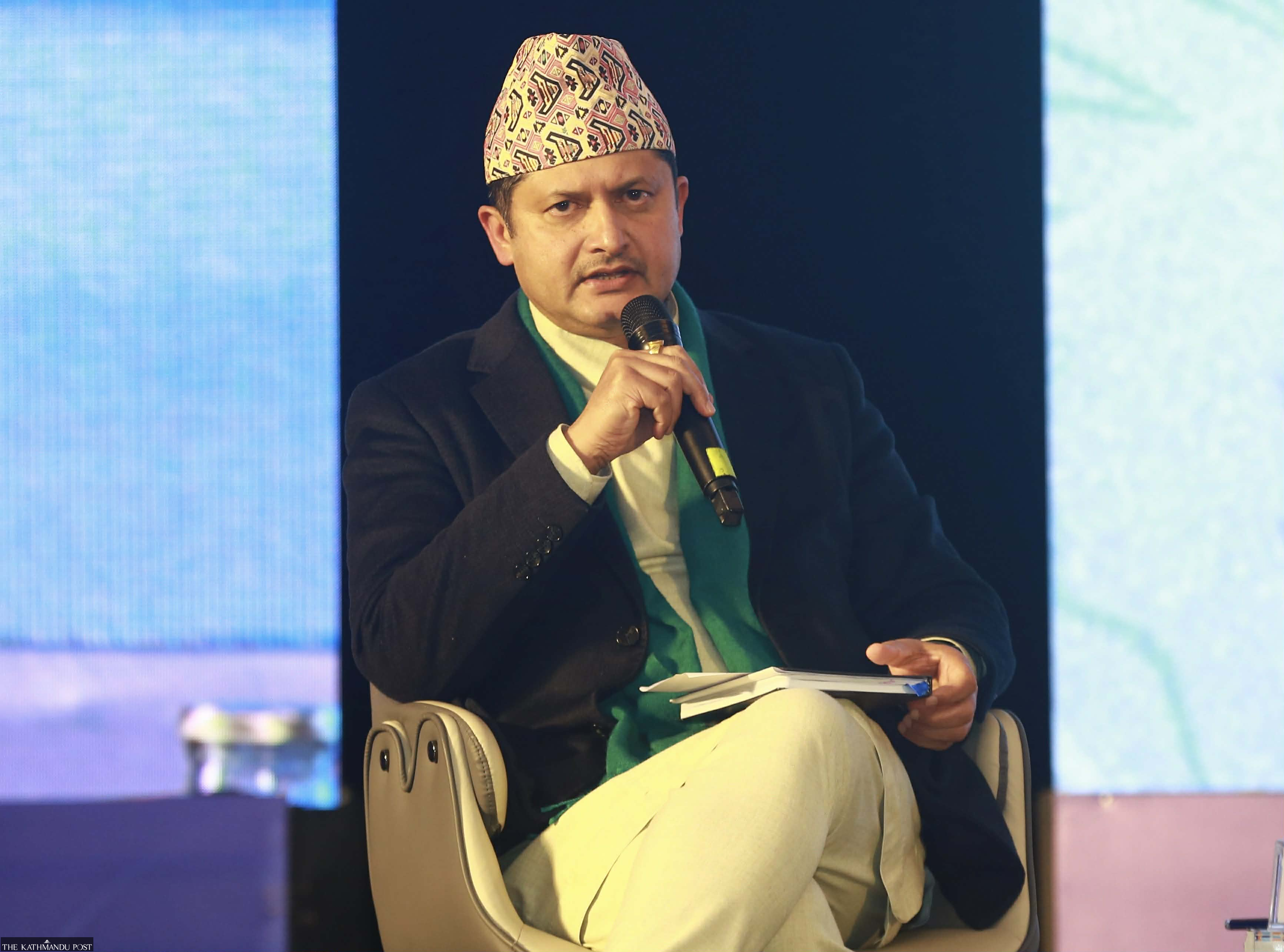
The central bank, he said, is waiting for a more conducive investment environment before easing credit aggressively. “We have to instill a sense of security among investors,” Poudel said, warning that indiscriminate easing could inflate asset bubbles or worsen non-performing loans.
“Recovery is not just about liquidity,” he added. “Credit needs to flow into targeted sectors by removing bottlenecks. We are easing small loans and support for MSMEs, but a stable and credible environment is essential.”



Most Read from Money

Why does an hour long flight to Dhangadhi cost more than a flight to New Delhi?
Nepal travel agents threaten to stop selling Thailand trips over visa rules
Malaysia rejects Nepal’s demand to open recruitment to all manpower agencies
No school, but a graduation cap for women dairy farmers
Nepal arrests four medical service providers as Malaysia recruitment row deepens
Editor's Picks




E-PAPER | October 24, 2026

×