Q&A: A single film can open a door, but lasting change requires a stronger ecosystem
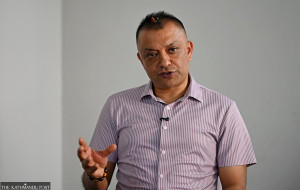
After ‘Elephants in the Fog’ made history at Cannes 2026, director Abinash Bikram Shah reflects on the win and why Nepali cinema still needs structural support to grow beyond isolated success.Deepak KC/TKP
The film also won the Prix de la Meilleure Création Sonore 2026 (Best Sound Creation Award), presented by La Semaine du Son under the Un Certain Regard section. The recognition highlighted the film’s sound design, including its rhythm and musical texture.
Set in the fog-covered plains of the Tarai and centred on a transgender Kinnar community living under the constant threat of elephant attacks, the film has drawn international attention for its portrayal of lives often pushed to the margins.
Acclaimed Indian filmmaker Anurag Kashyap said, the movie has “the best last shot I’ve seen in Cannes so far.”
What began as an intimate, difficult independent production in Nepal has become part of a larger global conversation about visibility, empathy and the power of cinema.
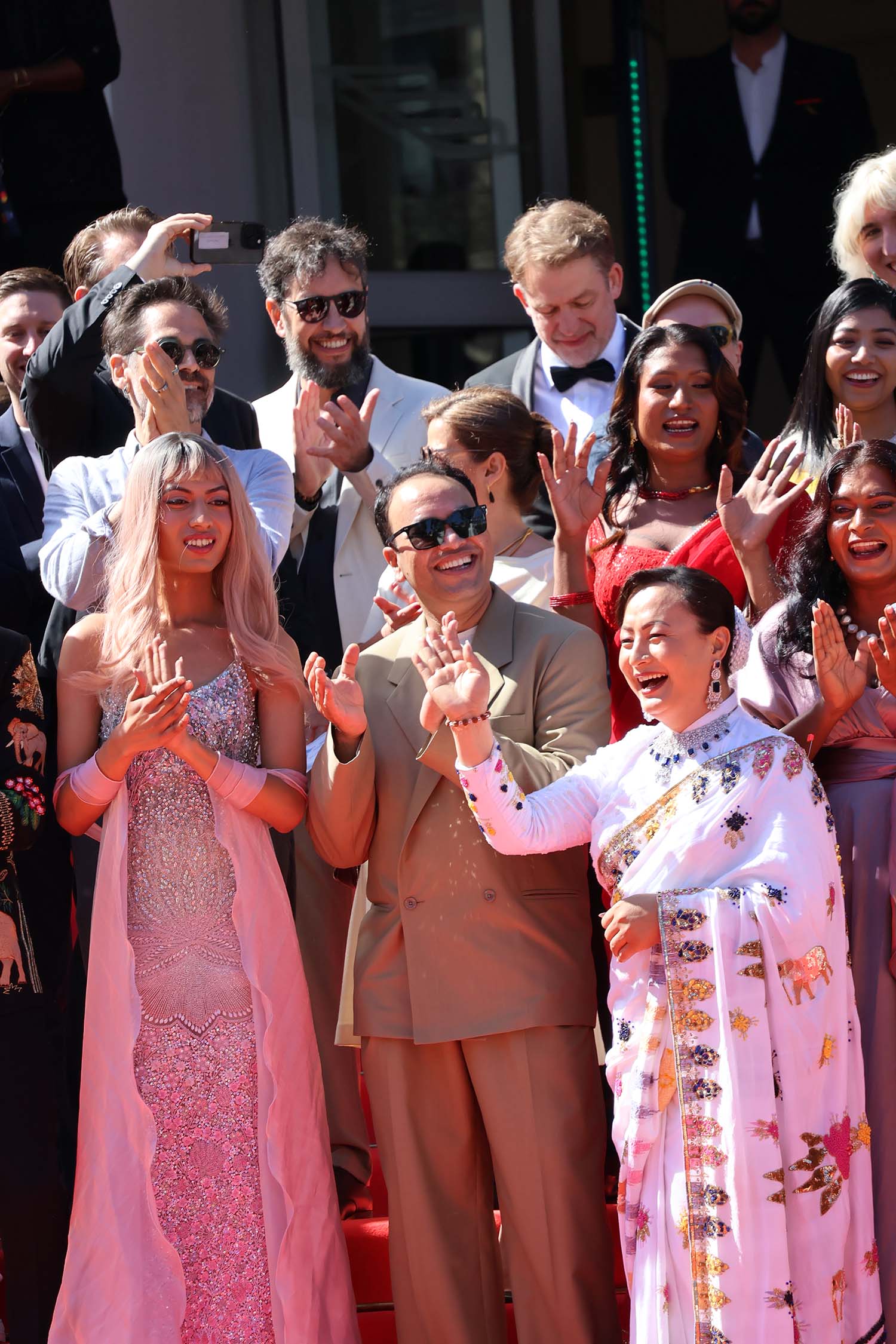
Director Shah, producer Anup Paudel, actress Pushpa Thing Lama, and the team received a grand welcome at Tribhuvan International Airport upon their return, with traditional Naumati Baja and flower garlands.
In this conversation with the Post’s Anish Ghimire, Shah speaks about creative collaboration, on-set uncertainty, and what the Cannes win means for Nepali cinema.
At what point did you stop thinking of this as ‘your film’ and start seeing it as something that belongs to the world?
The shift happened long before Cannes, right in the editing room.
When you begin a film, it lives entirely in your head. Every character, every scene, and every emotion exists first as your private idea. But filmmaking is a deeply collaborative process, and somewhere along the way, the film begins to take on a life of its own for good.
I remember watching the footage and realising I was no longer looking at the rigid script I had written. The actors had brought their own histories, instincts, and raw emotions into the characters. The landscape had shaped the narrative, and the crew had left their fingerprints on every frame.
And now, the audience has entered the conversation, the film is finally complete, and it belongs entirely to them.
When you were making it, did you ever imagine a win like this, or did it feel too distant to even dream about?
If I am completely honest, it felt very distant.
When you’re standing in the middle of the Terai fog, during a sheetlahar ( a cold wave), worrying about weather, logistics, budget constraints, and whether you can get through the day, you’re not thinking about awards. You’re thinking about how to make the next scene work.
What kept us going wasn’t the idea of recognition. It was the feeling of stubborn urgency that this story mattered. There was a conviction behind the project that stayed with us through the difficult moments.
Of course, every filmmaker hopes their work will find an audience. But a moment like this always feels larger than something you can plan for. It arrives as a surprise.
Team ‘Elephants in the Fog’ at Cannes. Photo: Courtesy of Abinash Bikram Shah
Has this win changed how you now remember the difficult days of shooting? Do they feel different in hindsight?
An award doesn’t erase the difficult days, but it does allow you to look at them differently. It gives meaning to every sleepless night and moment of doubt.
The shoot was physically and emotionally demanding. We were trying to capture a specific atmosphere while working within the realities of an independent production. There were moments of exhaustion, uncertainty, and doubt.
Looking back now, those difficulties feel less like obstacles and more like part of the process of making the film what it is. The conditions we worked in, the coldness and the grit of the shoot shaped the texture of the film itself. The fog, the silence, the unpredictability, they all found their way into the final work.
Knowing that the international community connected with that experience gives those difficult days a different meaning.
If you could go back and speak to yourself at the very beginning of this project, what would you warn or reassure yourself about?
I would tell myself to be prepared for uncertainty. I would warn myself to be prepared to get my heart broken, that there will be moments when the doubts feel overwhelming, along with so many sleepless nights and setbacks.
But I would also tell myself to trust the process. Trust the silence. Trust the moments when you stop directing and just start listening.
And most importantly, never give up. Keep going. The difficult periods are often just a part of making something worthwhile.
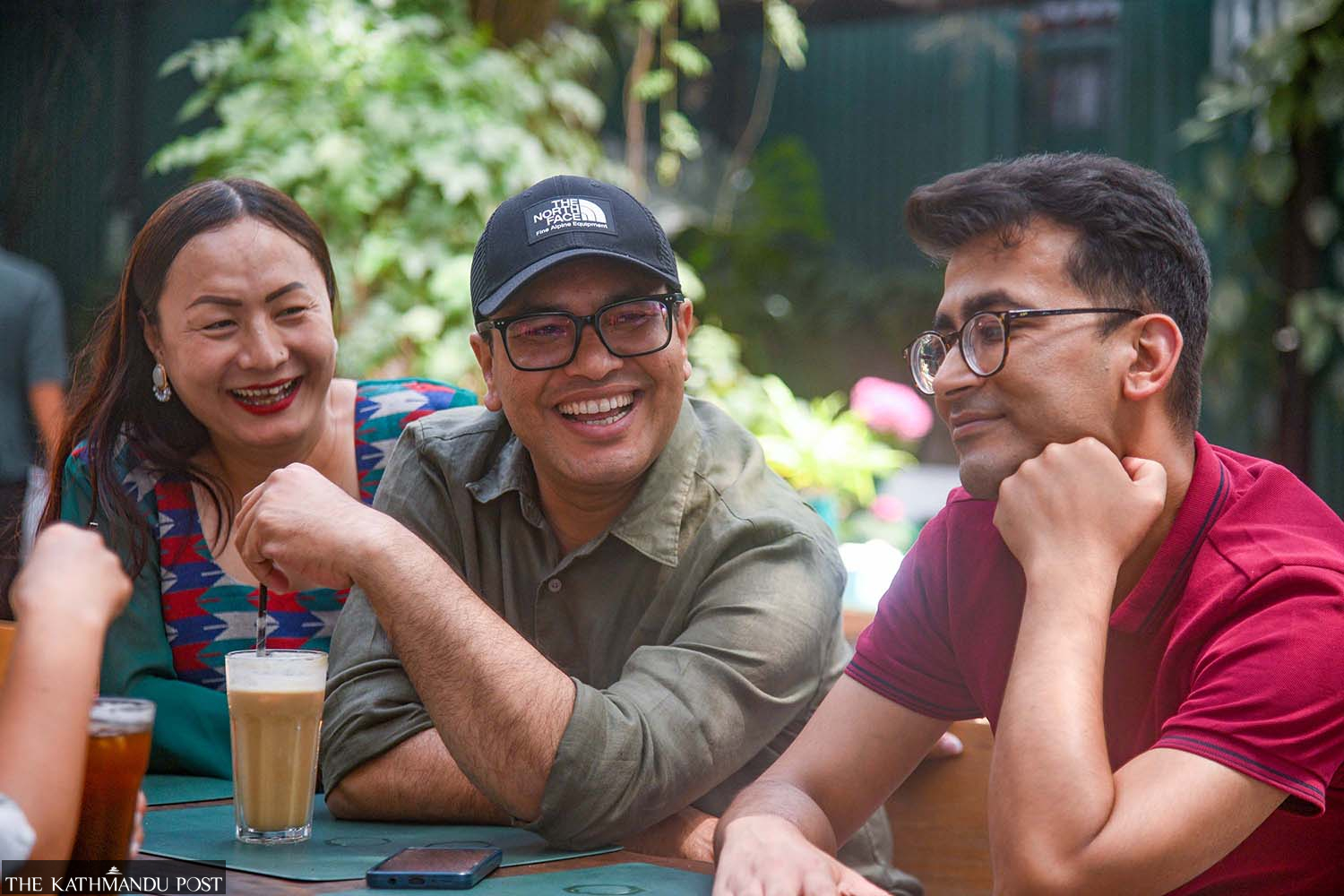
(From left) Actress Pushpa Thing Lama, Director Abinash Bikram Shah, and producer Anup Paudel. Deepak KC/TKP
After standing on that stage, what part of the story suddenly feels heavier, or more meaningful, to you than before?
The ending of the story feels much heavier now. But I cannot give away the story; you’ll have to watch the film.
What feels even more significant to me now are the real lives and experiences that inspired it. Standing on a stage like Cannes, surrounded by the highest celebration of global cinema, is an extraordinary privilege. But throughout that entire experience, I couldn’t help but think about the spaces where these women come from, and the harsh realities they continue to navigate every day.
The sharp contrast between those two worlds stayed with me. It reminded me exactly why I wanted to tell this story in the first place. If this film allows more people to see these women with genuine empathy and dignity, then that responsibility feels even more urgent and present to me now.
Do you see this win as a turning point for stories from Nepal, or as a rare exception in a long journey ahead?
I want to see it as a turning point, but we must be realistic. A single film can open a door, but lasting change requires a stronger ecosystem.
Nepal has an extraordinary wealth of stories that remain largely unseen internationally. We have talented filmmakers, writers, actors, and artists. We have the vision, but what we often lack is the structural support needed.
I hope that moments like this demonstrate what is possible. When Nepali filmmakers are given the resources and freedom to pursue their vision, their stories can travel far beyond our borders and reach audiences around the world.
The challenge now is to make sure this isn’t an isolated moment but part of something larger. For that to happen, support from government institutions and cultural bodies is crucial.
(From left) Sahad Din Miya, Pushpa Thing Lama, Abinash Bikram Shah, Aliz Ghimire, and Jasmin Bishwokarma. Photo: Courtesy of Festival de Cannes/Facebook
Your film represents underprivileged and often unheard communities. Do you feel this award helps shift how such stories are valued internationally?
Yes, absolutely.
A single film is not enough to solve the issues these communities continue to face, but I do think recognition like this adds weight to the conversation we are trying to have.
What feels particularly meaningful to me are the two awards the film received: the Jury Prize and the Sound Direction award.
The marginalised communities of our society, including the trans and Kinnar community, are often kept both invisible and silent. Their stories are frequently discussed in terms of sympathy, pity, and charity, but much less often in terms of art. People are willing to acknowledge their struggles, but not always their complexity, their individuality, or the artistic value of their stories.
That is why these two awards feel symbolic to me. For the jury to recognise the film’s sound landscape suggests that they didn’t simply look at these women; they listened to them. They sat with their heavy silences, their whispers, and their sighs. And for that same jury to award the film the Jury Prize feels like an acknowledgement of the story itself and of the lives that inspired it.
For me, that shift is important. It moves the conversation beyond sympathy and toward artistic engagement. It suggests that these experiences are not peripheral but part of our entire human experience. To see those stories recognised on an international stage gives them a visibility and legitimacy that extends beyond the film itself.




 19.11°C Kathmandu