RSP ready to hold by-elections if MPs repeatedly breach discipline standards
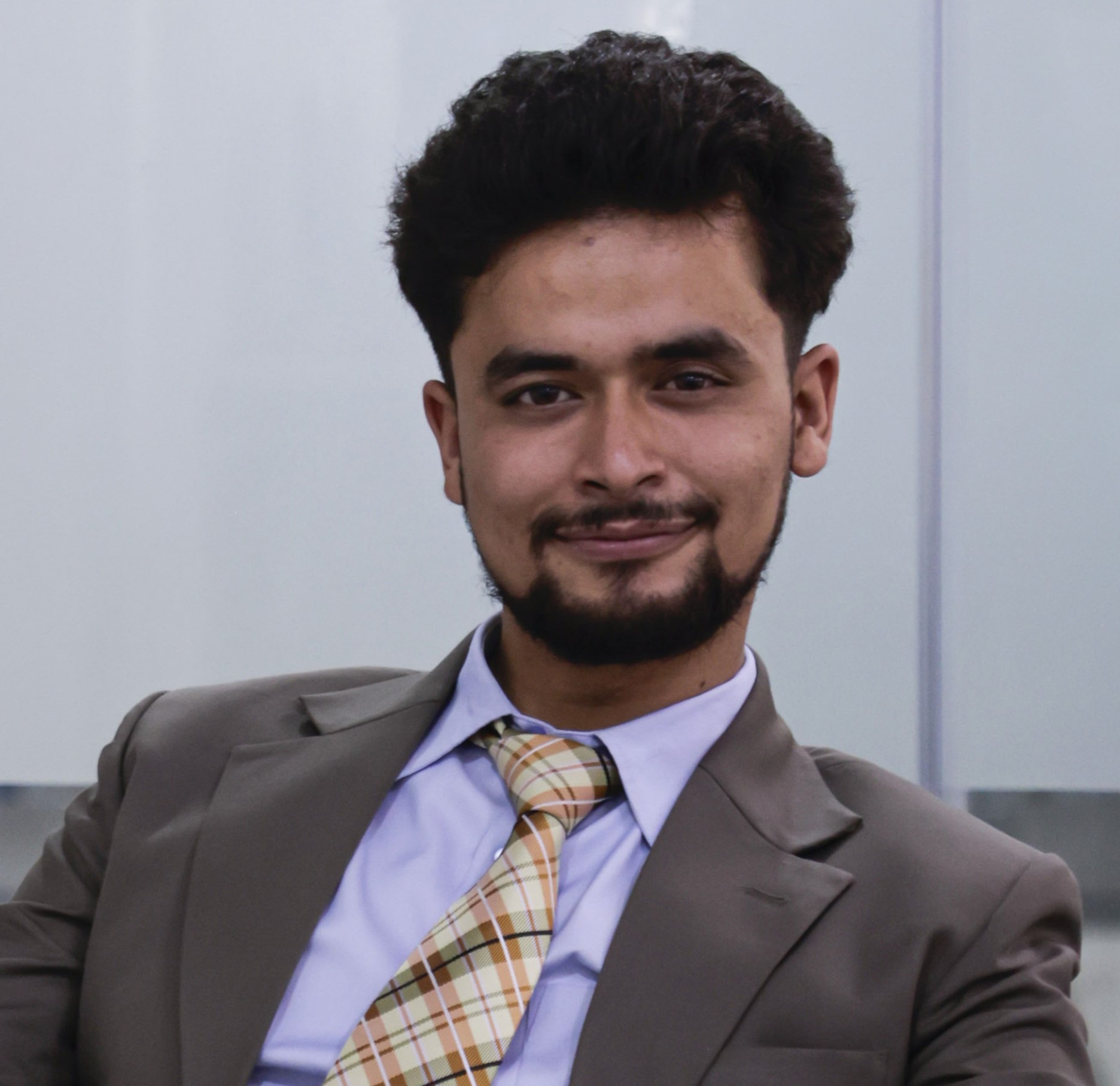
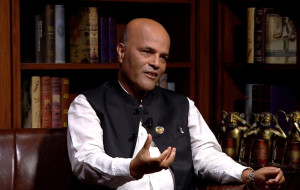
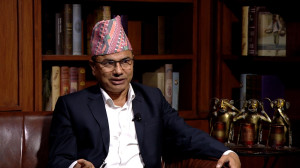
Some may argue that we are undermining ‘due process’, but the real problem is the traditionally long and inefficient administrative process. Bhoop Dev Shah, General Secretary (RSP) Post Photo: Kushal Aryal
Riding high on an overwhelming mandate through the recent elections, the ruling Rastriya Swatantra Party (RSP) faces multiple complications, a month after forming the new government. The party’s ideological stance remains unclear. Its organisational structure is still in a developing stage. The party leadership is acutely inexperienced in leading the state, with just one minister in the current cabinet having previously served as a minister. The government’s decisions are criticised as being rushed, without adequate research, and often overriding legal procedures. Amid these fiascos, Prime Minister Balendra Shah has remained silent since assuming office.
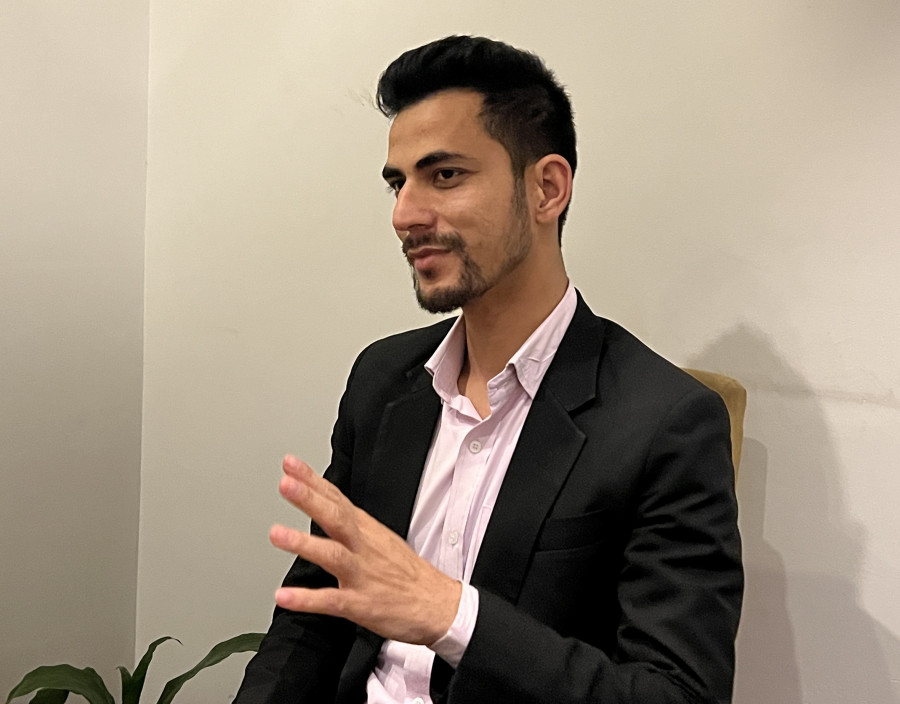
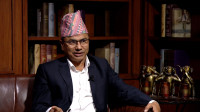
The party recently appointed PM Shah’s former aide Bhoop Dev Shah as its general secretary. In his first interview since assuming the role, Shah sat down with the Post’s Biken K Dawadi last Wednesday to discuss the RSP’s organisational strengthening and expansion, coordination between the party and the government, accountability of the party and the misconduct of its parliamentarians, and the implementation of democratic values and federalism. Excerpts.
How do you perceive your role as a young General Secretary of a party commanding a near two-thirds majority in the House? What specific areas do you intend to address regarding youth and inclusivity?
To begin with a foundational perspective, I do not view my role through the singular lens of a 'youth' General Secretary, as my responsibilities encompass a much broader spectrum of societal concerns. While I am a representative of the younger generation, my focus is inherently tied to the multifaceted issues of indigenous groups and the critical mandate of inclusivity. Our society has been defined by historical layers of oppression, which have resulted in a tapestry of communities representing various ethnicities, languages and cultural backgrounds. The subject matters concerning every one of these groups remain my utmost priority in this role. I constantly think about how we can architect a national environment where no individual from marginalised groups is left behind. Within this context, the youth are undoubtedly the major stakeholders, especially when considering that more than 50 percent of our current population composition is under the age of 30. Consequently, while I carry this institutional responsibility forward, my primary focus remains on these citizens, for whom the party secured a two-thirds mandate and entered the government.
How is the party structure working in tandem with the government?
The government has officially commenced its tenure, yet it is essential to recognise that the government’s machinery and resources are inherently limited. This is precisely where the party structure becomes indispensable, as it provides the necessary support and outreach that the state cannot always reach. For example, administrative presence is often missing in remote wards or villages, but the party’s organisational footprint exists there to bridge that gap. Since our entry into the government, our primary objective has been to determine how the party can effectively back the state’s initiatives, and we are currently building our structure with that specific intent. This support will manifest through robust organisational activities, where my major focus is to elevate youth engagement. As I observe the internal dynamics of the party, I am focused on strengthening the organisational structure, recognising that we are a relatively new entity compared to the traditional mainstream parties that preceded us.
As you embark on this massive organisational expansion, what steps are being taken to ensure the party remains disciplined and true to its promises?
The party is currently immersed in a massive scale of organisational expansion to ensure our future does not mirror the decay seen in older political structures. We are striving to construct a strong organisation so that the party does not drift away from the core promises we made to the public. We initially launched our election campaign from a position of relative weakness compared to established parties, yet our results were remarkably strong. Because of this success, many citizens have placed their hopes in us and are seeking to join our organisation to contribute their efforts. My responsibility is to create a functional place and environment for these people to work. We are seeing a diverse array of groups joining us, including the Tharu community from Sudurpaschim and leaders like Khagendra Sunar, who represents Dalit interests. The merger process with the Bibeksheel group and the integration of the team associated with PM Shah have added to our strength. We are providing roles to clusters from Madhesh and the East to create a cohesive environment where everyone can contribute.
Training is the second pillar of this strengthening process. Although the party is only about four years old, we have conducted significant training, but making the organisation robust and disciplined is now vital. A disciplined party is the foundation of a disciplined government, and since the current government is formed by our party, this internal order is paramount. We currently have 182 members and chairpersons across 11 parliamentary committees, which presents high challenges. We have observed certain actions by MPs and leaders that society found difficult to accept, and we are working diligently to ensure such conduct does not recur.
Coordination between the Party, the Parliamentary Party, and the Government is another critical area, and I am serving as the coordinator for a task force established for this purpose. This task force explores how the party can assist parliamentary committees and ministers, acting as a think tank on drafted bills. We are also trying to revitalise forums for public debate, which have decreased in society recently. We believe our party committees must create these debates on issues like constitutional amendments, student politics and the future of national enterprises.
How do you define the boundaries between the party’s influence and the government’s executive jurisdiction to avoid overreach?
We are extremely aware of the need to maintain clear boundaries, as the government and its ministers operate under their own specific terms of reference. The party’s role is primarily to sit in the backend and provide essential expertise. For instance, the party recommends advisors for every ministry and compiles rosters of experts from within our structure to assist where needed. While the party cannot issue direct orders to ministers, we provide recommendations that they can utilise based on the specific needs and expertise required for their roles. Simultaneously, we are looking at how the community can be engaged to support the government, especially since many Nepali citizens are currently in a state of confusion regarding various national issues. We have begun parallel work to give these community engagement initiatives a concrete form.
Regarding the misconduct of certain MPs and the ‘Right to Recall’ often mentioned by the RSP, what is the party’s policy when discipline is breached?
When controversial issues regarding the conduct of our MPs arise, the party’s first responsibility is to seek clarification on the events. In recent instances, the individuals involved communicated their side through social media and acknowledged their responsibility toward the public. Because they took accountability and apologised, the party felt that further disciplinary action was not immediately required. We understand that people are not born with all knowledge and that some actions occur in the ‘heat of the moment’. However, we are very clear that if there is intentional misconduct in the future, we will not hesitate to act. Party chair Rabi Lamichhane has even expressed a readiness to hold by-elections in such cases, demonstrating that there are no ‘ifs’ or ‘buts’ when it comes to maintaining our standards.
What is the reality of the coordination between party chair Lamichhane and PM Shah, given the public’s curiosity about potential friction?
There is no truth to the rumours of friction. In fact, the relationship between the chair Lamichhane and PM Shah has become more profound. Every significant decision made by the government is the result of thorough consultation between them. They discuss every major issue before moving forward, and to my knowledge, no significant matter has proceeded without such a dialogue. They maintain a routine of discussing these subjects every morning, which has deepened their mutual understanding. While they occupy different roles—with the Party Chair managing the party and parliamentary party and the PM focusing on the executive—their coordination remains seamless. Matters that require the PM to consult with the Party Chair are handled through these regular discussions, while regular administrative duties proceed as expected.
The government’s stance on landless settlements has been criticised as being too rushed. How do you justify the strategy behind these deconstructions?
The criticism surrounding the Sukumbasi or squatter settlers case often stems from a lack of clarity regarding the government’s specific focus. To be clear, the current actions are directed specifically at ‘at-risk, unmanaged settlements’. For example, during periods of heavy rainfall, the government’s primary concern is the safety of those living in precarious areas. Settlements that are not at risk will be addressed gradually through a structured process. I believe the execution of these actions has been remarkably smooth and efficient, perhaps more so than similar initiatives elsewhere in the world. We have cleared unmanaged, high-risk areas in a very short time while providing management for the displaced. The necessity of this priority is evident when you compare the total number of houses in a settlement like Thapathali with the much smaller number of families who actually came forward to register as genuine landless citizens.
Why did the parliamentary session end so abruptly, and what is the rationale for the potential use of ordinances despite your majority?
The parliamentary session concluded at its natural time, as one session ended and the period for the budget session was approaching. The government’s primary focus is on delivering work to the people as quickly as possible and building an environment conducive to that delivery. Both within the party and the parliamentary party, the government is pushing for a better environment to operate effectively. I believe the government made this request to the parliamentary party to ensure that the pace of work matches the public’s expectations for rapid progress.
How do you explain PM’s silence since assuming office?
Regarding his perceived silence, I believe his actual media appearances have simply decreased, but he remains very active in his duties. He has continued to address executive municipal assemblies, conduct field inspections, and participate in community engagement programmes. His speeches in these forums often become significant news items, so the idea of his silence is more of a public perception than a reality. He has simply reduced his media engagement management to focus on delivery. When you are delivering work, the need to speak constantly diminishes.
Looking back at your personal election journey in Achham, what were your primary takeaways, and why did you choose such a challenging constituency?
While Kathmandu offered me a strong platform to launch my political journey, I felt a deep responsibility to Achham. I wanted to show that successful individuals who have achieved recognition can and should return to their roots to foster progress. Achham is currently one of the poorest districts in the country, and the poorest rural municipality is within my constituency. This sense of duty took me there. Despite my previous work with the Kathmandu Metropolitan City and the Bibeksheel campaign, I hadn’t immersed myself in such a reality. I reached almost every neighbourhood in that month and a half, and the love and welcome I received from the people made me feel like I truly belonged there. Touching that reality has motivated me further, and I will undoubtedly contest from Achham again in the next election.
How is the RSP navigating the high expectations of the public, which can often lead to dissatisfaction?
Expectations are indeed extremely high, as the public has been searching for a viable alternative for three decades. They saw a possibility in our leadership and granted us a significant mandate. I am gratified that even in the early stages of our ‘honeymoon period’, we have lived up to these expectations. It is rare in history to see such a dynamic where people criticise specific decisions because they expect more from us, rather than wanting the government to fail or the PM to resign. We are meeting these expectations because our intentions are right.
What is the strategy for regions like Sudurpaschim and Karnali, where the ‘Bell wave’ was less pronounced?
The party is currently finalising a review report on the election to analyse various parameters of our performance. It is true that our impact was less significant in Karnali, Sudurpaschim, and the eastern hilly districts. To address this, we are planning for central-level leaders to spend more time in these regions, conducting awareness campaigns and promoting the party’s work. We will introduce special programs for future local and provincial elections to ensure we perform better in these vital areas.
Was the legal manoeuvring regarding the landless settlements an attempt by the executive to overrule the judiciary?
We did not attempt to overrule the judiciary. The decision to act was made late on a Wednesday, and announcements were made on Wednesday and Thursday. The government followed established legal practices and informed the public before taking action. The idea that we were trying to bypass a court stay is not supported by the facts of our timeline. Furthermore, while some may argue that we are undermining ‘due process’, the reality is that our traditional administrative processes are often too long and inefficient. We hope that the bureaucracy and other levels of government will understand this spirit of efficiency.
What is the RSP’s ideological stance in a political landscape traditionally divided between the Nepali Congress and the Communist streams?
For a long time, our politics moved in two fragmented ideological streams, which created a deep division in our society. Our major concern is how to bring balance and practice unifying politics. We view everyone with a judicial, fair vision and appeal to all citizens to join us in this campaign for good governance. I draw inspiration from figures like BP Koirala, Madan Bhandari, Krishna Prasad Bhattarai, and Ujwal Thapa, all of whom played vital roles in our democratic innovation. We are ready to collaborate with any party on an agenda-wise basis if our intentions for the country's progress are understood.
I see our growth as a natural political process that occurred because older parties failed to purify themselves. We are a common platform for those seeking change, and we have a rigorous filtration process in place. Senior leaders joining from other parties go through a quarantine period to ensure their conduct aligns with our values. We are not just a club for one specific group. We must be inclusive to lead the country effectively.
What are the long-term goals for institutionalising democracy, and how does the party view the current federal structure?
My top priority as General Secretary is institutionalising the principles and values of our constitution and democracy. While we have achieved significant results, the system is not yet fully institutionalised, and we aim to make it more liberal and refined through both party and government actions. Ideologically, we believe in Democratic Liberalism, leaning slightly to the left on the political scale. However, the traditional ‘Left’ and ‘Right’ binary is disappearing, and we are entering a new meta of politics that embraces the best of various theories. Traditional approaches are losing space to the diversified expertise we see in the RSP, where every field is represented by experts in parliament. We view the proactive role of the opposition positively, as it strengthens our democratic practice. We believe that even as a ruling party, we must welcome diverse voices to institutionalise democracy more rapidly.
Regarding federalism, the party is committed to the constitutional structure of local, provincial and federal levels. The issue is not the structure itself but its implementation. The parties that created the constitution failed to implement it effectively, yet we see successful implementation at the local level by leaders like Harka Sampang and Renu Dahal. Our problem is the culture of ‘pocket appointments’ instead of merit-based management. If we can send the right leadership to the provinces, the public will no longer need to question the existence of the provincial tier.
(Note: The print version of the interview erroneously mentions that not a single minister in the RSP has previously served as a minister.)




 20.85°C Kathmandu