Too early to comment on government’s foreign policy decorum
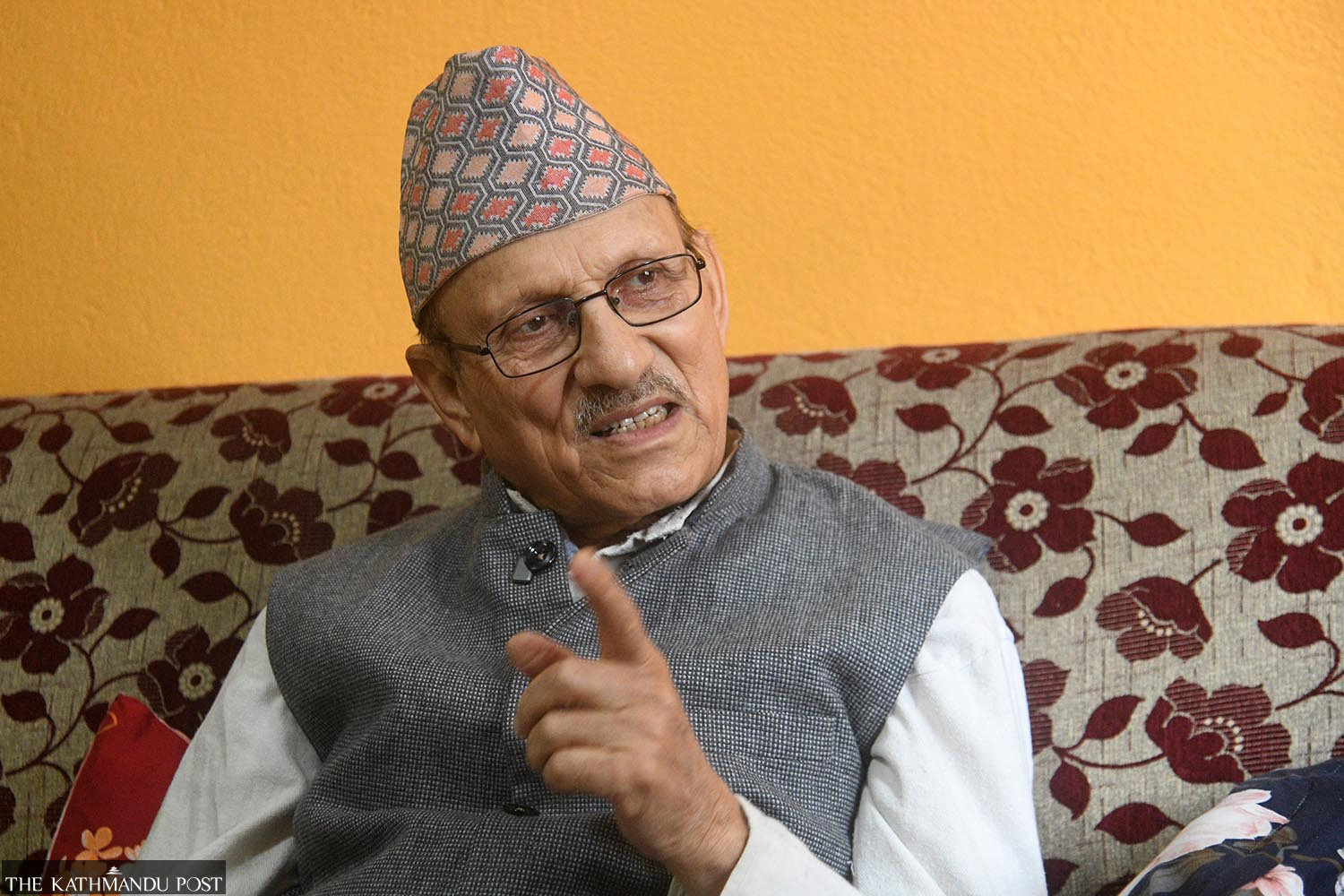
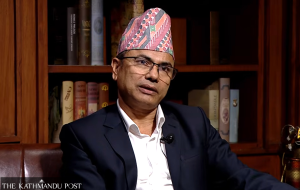
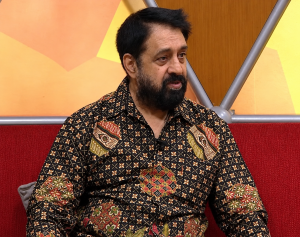
While PM Shah’s decision to hold a collective meeting with all foreign envoys could be seen as a positive move, his choice of attire was problematic. Gopal Bahadur Thapa, former Chief of Protocol Deepak KC/TKP
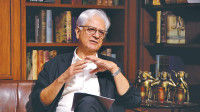
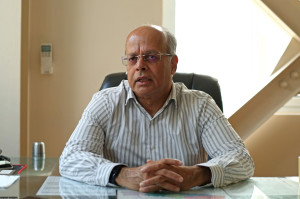
Nepal’s diplomatic landscape is currently under intense scrutiny following recent shifts in how the state interacts with foreign dignitaries. The Post’s Biken K Dawadi sat down with former Chief of Protocol at the Ministry of Foreign Affairs, Gopal Bahadur Thapa, to discuss the current state of Nepali diplomacy. Thapa delves into the strategic implications of Prime Minister Balendra Shah’s collective meetings with the diplomats; the decline of institutional discipline, highlighting the necessity of restoring the Ministry as the mandatory gateway for all diplomatic engagements; the critical role of formal record-keeping in safeguarding national interests; and the symbolic importance of attire and decorum in international relations.
Could you start by explaining the core concept of diplomatic protocol and why it remains so relevant?
To put it simply, protocol is a fundamental standard of decorum and mutual respect that governs human interaction, not just in high-level politics but in our everyday lives. Whether it is how a head of a household receives a guest or how we conduct ourselves with our peers, protocol is a code of conduct rooted in restraint and refined behaviour. In the international arena, this is formalised by the Vienna Convention, which establishes the framework for how states and their representatives—be they diplomats, heads of state, or heads of government—should interact with one another. It provides the basic courtesies required for state relations, though it is important to remember that these are not always rigid, unchangeable rules. Diplomacy often requires a pragmatic assessment of benefits and drawbacks; for instance, if a major global power wishes to speak with our leadership via telephone, the broader national interest might dictate that we proceed with a brief notification to the Ministry of Foreign Affairs rather than insisting on every minor procedural formality. However, the current situation in Nepal is concerning because we are seeing a complete breakdown of these standards. When prime ministers meet ambassadors in private or ministers hold meetings without the knowledge of the Ministry of Foreign Affairs, it represents a violation of diplomatic dignity.
Public discourse has recently focused heavily on the appearance of our current leadership. How significant are the sartorial choices of our leaders when they meet international envoys?
Appearance is a vital component of diplomatic communication, and recent events involving Prime Minister Balendra Shah have highlighted some significant flaws. While his decision to hold a collective meeting with all foreign ambassadors at Singh Durbar could be seen as a positive move toward “balanced diplomacy”, his choice of attire was problematic. By meeting all ambassadors together, he signaled that all nations are equal, which avoids the perception of favouritism and maintains a neutral stance. This was a strategically sound example of “equal footing”. However, as the prime minister of a nation, there is national pride to uphold. Wearing the national dress during formal international meetings is a matter of sovereignty and dignity.
Opting for casual wear, such as a T-shirt or sunglasses during such an occasion, is what professionals call a “diplomatic flaw”. While he is known to be a direct and emotional individual, he represents the entire country now and he must thus refine his conduct accordingly. I won’t place all the blame on him; the Chief of Protocol should have been much firmer in briefing the prime minister on the expectations for such a high-level event. If a leader is properly briefed and still chooses to ignore these standards, it suggests a need for significant improvement in how the office views its international responsibilities.
Some suggest these collective meetings represent a new way of handling foreign relations. Was this actually a substantive diplomatic session, or only a ceremonial gesture?
It is important not to over-interpret these events; this collective gathering was essentially a courtesy call—a “hi and hello” session for ambassadors to offer congratulations after the elections. No substantive bilateral issues were discussed or complex negotiations done in that forum. International practice does not forbid such collective interactions for ceremonial purposes; we have seen similar gatherings during major summits or national celebrations in the past.
The real issue is whether this signals a return to a more disciplined system or if it is just a one-off event. The deterioration of our protocol began in earnest during the mid-2000s, a period marked by a certain level of administrative lawlessness. I was the Chief of Protocol during that transitional era and witnessed the first major breaches, such as when an incoming ambassador met with the prime minister at 7:00am before the ambassador presenting his credentials to the state. The Ministry of Foreign Affairs was not informed of the meeting. When the bureaucracy fails to assert itself and inform the leadership that such actions damage the nation’s prestige, the standards inevitably slide. That was when foreign envoys started feeling that they could bypass formal procedures as our own leaders allowed it.
You have argued that the responsibility for fixing this system lies at the top. Why is the Prime Minister’s Office the critical “stop” for these diplomatic breaches?
In diplomacy, the most important entry point is the adherence to a code of conduct. If the prime minister issues a clear directive that he will meet no foreign dignitary except through the channels of the Ministry of Foreign Affairs, the system corrects itself immediately. If the foreign minister enforces this and the leadership refuses to entertain direct, uncoordinated calls from ambassadors, discipline returns to the administration. Without that will from the top, any new manual or written code of conduct is essentially meaningless. We must move away from the current culture of “careerism”, where officials are more focused on personal advancement and securing postings than on building the institutional strength of the ministry. While we have increased the number of embassies and diplomatic positions, the quality of our articulation and negotiation has dropped significantly.
Is it truly realistic to treat every nation with the same level of priority? How should we manage the differing strategic weights of our immediate neighbours and global powers?
While basic courtesy should be equal, we must be realistic about strategic priority. Diplomacy is a highly sophisticated and, in many ways, an exclusive system where status is meticulously observed. Our immediate neighbours and major global powers naturally hold higher priority as our economic and strategic interests are so deeply intertwined with theirs. We are currently in a complex triangular relationship involving our two neighbours and the United States, which requires a high degree of “diplomatic alertness” and skill. If we mishandle a senior envoy from a powerful nation, their report back to their capital can have serious consequences for a small country like ours. The test for the current administration is how they manage these high-stakes, individual meetings. Will they continue to use the Ministry of Foreign Affairs as the gatekeeper, or will they revert to the uncoordinated, direct access of the past? This is where diplomatic guile is truly tested.
You mentioned the necessity of note-taking and the presence of ministry officials during these meetings. What are the specific risks of holding private, unrecorded conversations with foreign dignitaries?
These are not private conversations between individuals; they are interactions between sovereign states involving vital national interests. In formal diplomacy, it is a technical requirement to have a note-taker from the Ministry of Foreign Affairs. This ensures that there is an official record—minutes of the meeting—that documents what was discussed and what commitments were made. When leaders from other nations, such as India, meet with our officials, they always have a representative from their foreign ministry present to record the conversation. This practice keeps the leadership disciplined and prevents them from deviating from the established framework of national interest. Furthermore, in high-level diplomacy, it is often prudent to use an interpreter even if the leader is proficient in English. It allows for greater precision in language and gives the leader crucial time to think before responding. Diplomacy is about much more than just “knowing English”; it is about maintaining decorum and ensuring that every word serves the national objective.
Deepak KC/TKP
Some commentators have described recent events as a “restructuring” of our foreign policy. Is that an accurate assessment of the current administrative shift?
That is an oversimplification and, quite frankly, incorrect. A single collective meeting does not restructure foreign policy, which is based on permanent, long-term principles. What needs restructuring is our diplomacy—the art and technique of negotiation itself. We need to focus on grooming specialists who are fluent in the languages and cultures of the countries they are assigned to, as cultural affinity can bring nations closer together. Currently, our diplomatic articulation is among the least effective in South Asia. We have seen a shift toward careerism rather than a genuine career built on merit. In the past, we had diplomats who could secure development aid from opposing global powers simultaneously because they were masters of negotiation. Today, we often focus on political inclusivity within our representative bodies, which is good for the domestic sphere, but diplomacy requires a level of specialised, professional skill that cannot be overlooked.
What can we learn from countries that seem to do better diplomacy on the world stage?
We can learn a great deal from how other nations prioritise diplomacy as a primary tool of national power. Look at Pakistan. Despite their internal challenges, their diplomats are known to be some of the most articulate and effective in the world, often outmanoeuvring much larger neighbours in international forums like the United Nations. They identify their brightest prospects early and groom them specifically for strategic locations such as Washington, Beijing, or Geneva. In Nepal, we once had diplomats of a similar calibre who were given the freedom to promote the national interest with great skill. When the leadership selects the best-quality people and trusts them to do their jobs, the results are evident. We managed to navigate the complexities of the Cold War and secure aid from multiple sides because our diplomacy was handled by competent professionals. We could return to that pick-and-choose meritocracy where experts are cultivated and empowered.
There have been reports that some foreign envoys in Nepal are unhappy with the new symbolic fences being built by the current administration. Is it reasonable for them to expect the same level of direct access they enjoyed previously?
Any dissatisfaction from foreign envoys is misplaced. There is a well-known saying: “Good fences make good neighbours”. For many years, the fences of Nepali diplomacy were torn down, and everyone felt they could bypass formal channels and walk right into the halls of power. If the current administration is rebuilding those fences by insisting on formal protocols and making the leadership less easily accessible, it is a positive development for our sovereignty. A strong fence does not prevent communication; it ensures that communication happens through the proper, respected channels. In any functional democracy, a foreign ambassador cannot simply call the prime minister and expect an immediate private audience. If our leadership is now insisting on a structured schedule based on their own availability and the ministry’s briefings, they are simply adhering to international norms. The era where our foreign policy was treated with a lack of seriousness must end.
Does the level of political stability in the country directly impact the strength of these protocols? Or is it purely a matter of individual leadership?
Political stability certainly provides the space for protocols to be institutionalised, but the willpower of the leader is the primary factor. Even in a state of instability, a strong prime minister can insist on maintaining formal standards. In many countries, these systems have become so institutionalised that no foreign official would even attempt to bypass the foreign ministry; it is simply not done. In Nepal, we have suffered from a situation where the interests of various political factions often converged for personal gain, leading to a neglect of national diplomatic standards. Our foreign policy was sometimes treated with a lack of consistency—praising a neighbour one day and criticizing them the next based on political convenience. By building these symbolic fences and adhering to a professional code of conduct, we are asking to be treated with the same respect that any other sovereign nation expects. If we maintain our dignity and follow established systems, the international community will have no choice but to treat us with the respect we deserve.




 14.81°C Kathmandu