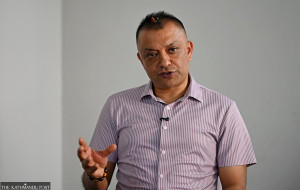
I just wanted to make a damn good movie: Ramesh Sippy on ‘Sholay’
Fifty years after the blockbuster, Bollywood’s veteran director reflects on timeless storytelling, Nepali cinema, censorship, and debunks a popular cinema myth. Suryams Upreti/TKP
How often does a “two-line idea” turn into a timeless project? It happened for Ramesh Sippy and his team 50 years ago when ‘Sholay’ was made.
Released on August 15, 1975, a special day in India, the movie still lives among the young and old for its gripping storyline, unforgettable characters, and jaw-dropping action.
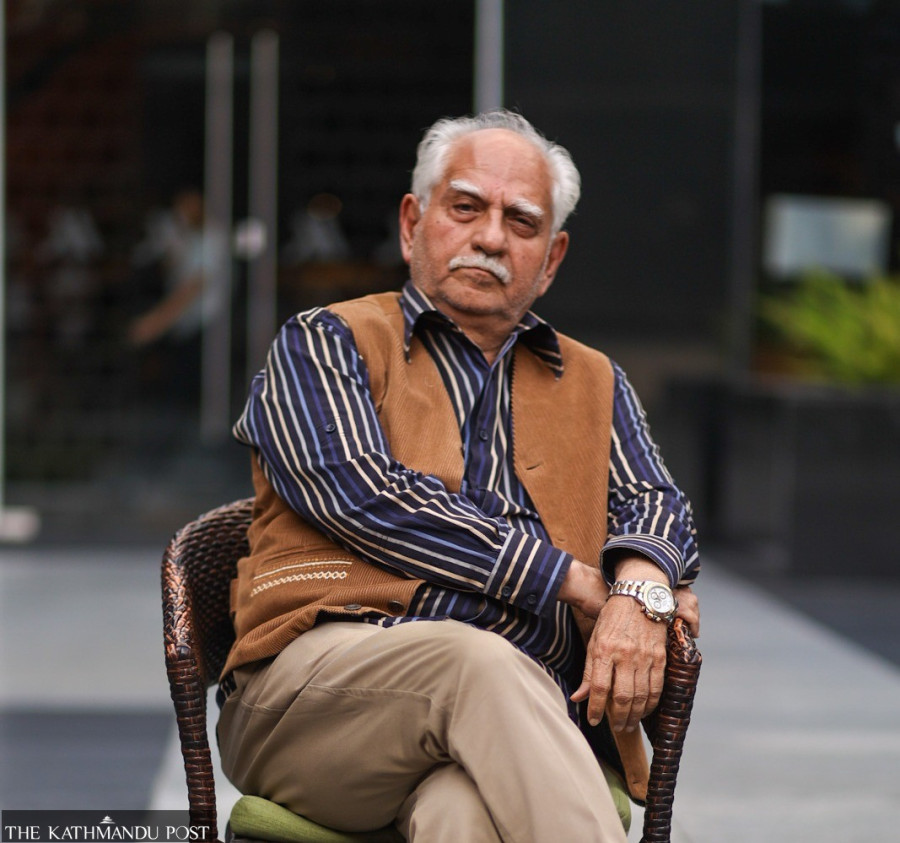
Sippy, the director of this classic, is a veteran of Bollywood as an actor, director, and producer. He is in Kathmandu to attend the Nepal International Film Festival (April 2 to 6).
Ramesh Sippy speaks with the Post’s Anish Ghimire about directing ‘Sholay’, Nepali cinema, film festivals and sets the record straight on a well-known myth.
You’re here to attend the Nepal International Film Festival. Do you think festivals like NIFF can actually shape a film industry, or do they mainly showcase what already exists?
The festival itself is a learning experience. Seeing the work of others, both past and present, provides essential food for thought, allowing filmmakers to refine their own visions. It serves as a guide, showcasing how the global film community is evolving. With that knowledge, creators are empowered to forge their own paths. Overall, it’s a very healthy and vital process for the industry.
Following up on that, how important are festivals in giving smaller industries like Nepal a global cinematic voice?
I believe they are vital because they showcase such a diverse range of films, especially smaller productions. This provides immense encouragement to filmmakers, no matter where they are from. A young filmmaker in Nepal might see something that truly resonates; even if they don’t like everything they see, there is no loss—the exposure itself is valuable. It provides the impetus to think: ‘If they can create something like this, why can’t I do something unique as well?’ When a film has the right emotion and substance, it inspires people.
Taking you back a few decades, among your many iconic films, ‘Sholay’ stands out as the most memorable. Looking back, would you say that without its success, Amitabh Bachchan, Dharmendra, and Hema Malini would have gone on to have the remarkable careers they did?
I’m sure they would have. ‘Sholay’ was not their only success; they all had hits both before and after. However, ‘Sholay’ became a masterpiece because of them. Their performances added so much depth.
Each character lived in their own world, yet they came together to fight for a man who had lost everything, Thakur. I couldn’t have made this film without these actors; it simply wouldn’t be the same. From the leads to the smaller roles like Jagdeep and Asrani, every single person contributed something vital. It remains a milestone in all of our lives.
Even those who are no longer with us, like the legendary Amjad Khan and Sanjeev Kumar, contributed immensely. Their work was no less significant than anyone else’s.
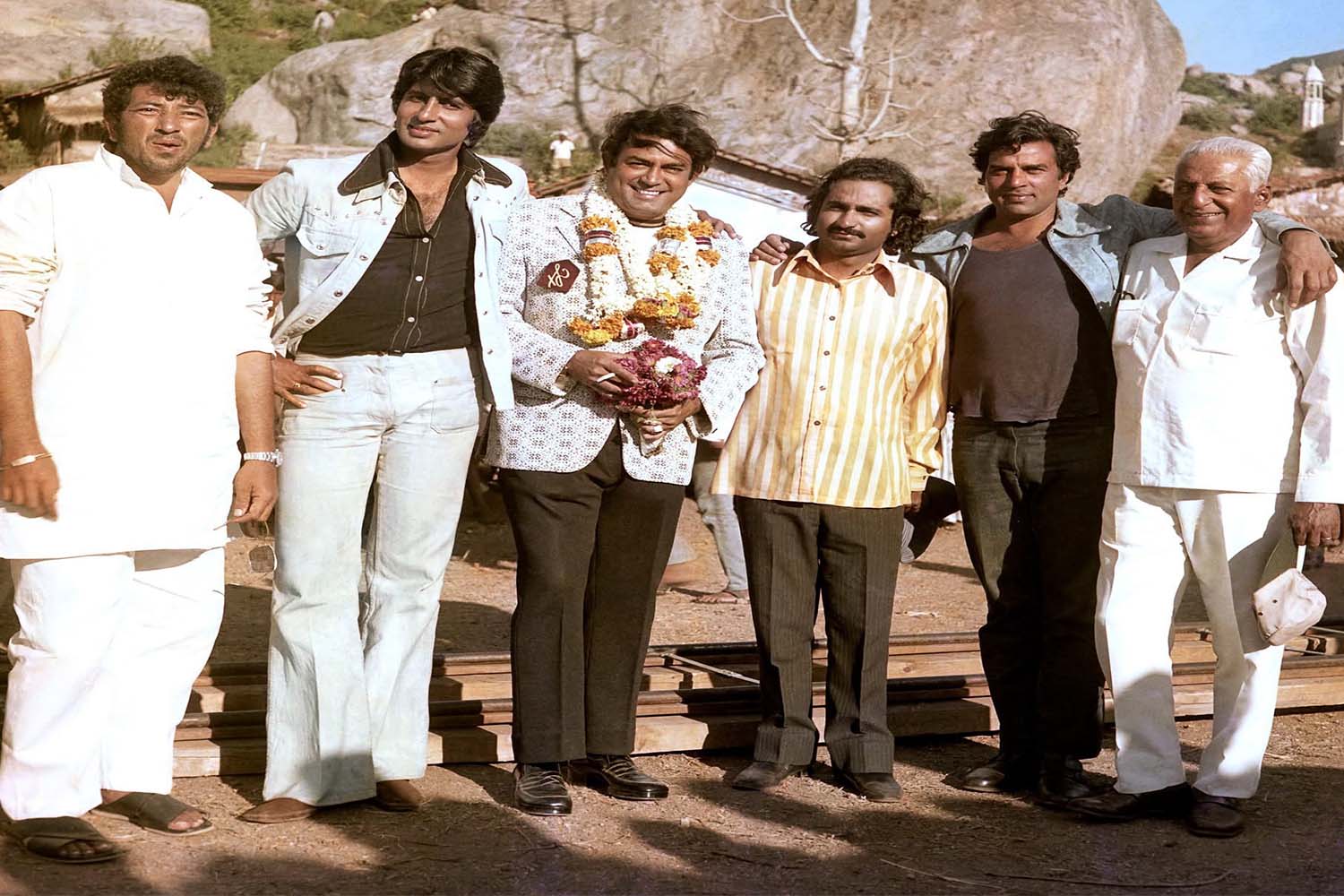
This restored photo shows (from left) Amjad Khan, Amitabh Bachchan, Sanjeev Kumar, Director Ramesh Sippy, Dharmendra, and cinematographer Dwarka Divecha during the shoot of ‘Sholay’ in 1975. Courtesy of Sippy Films
The film was released in August 1975, and many reports say you immediately held an emergency meeting because it didn’t perform as expected at the box office. Is that true?
Actually, that’s not true.
The idea that it didn’t get a strong opening is ridiculous. By the second week, I saw people repeating the lines because they were returning to theatres to see it again. Some newspapers did carry headlines calling it a ‘disaster’, but it took them a long time to retract those words. That created a perception that it picked up only later, but that’s not true. Yes, it continued to grow in popularity over time—but it was never rejected at the start. People loved it from the beginning.
Since ‘Sholay’ became a blockbuster early in your career, do you think it was a bit of a curse in disguise because it overshadowed your later works?
I don’t see it as a curse. The level of success ‘Sholay’ achieved is a once-in-a-lifetime phenomenon; even if I wanted to replicate it, it wouldn’t be possible. As a filmmaker, your job is simply to do your best with every project, and I have loved working on all of them.
While my later films may not have matched the sheer scale of Sholay’s success, my personal satisfaction was equal across all of them. Each project was different, and for me, the reward was in the challenge of trying something new and bringing it to life. I’m very happy with the body of work I’ve created.
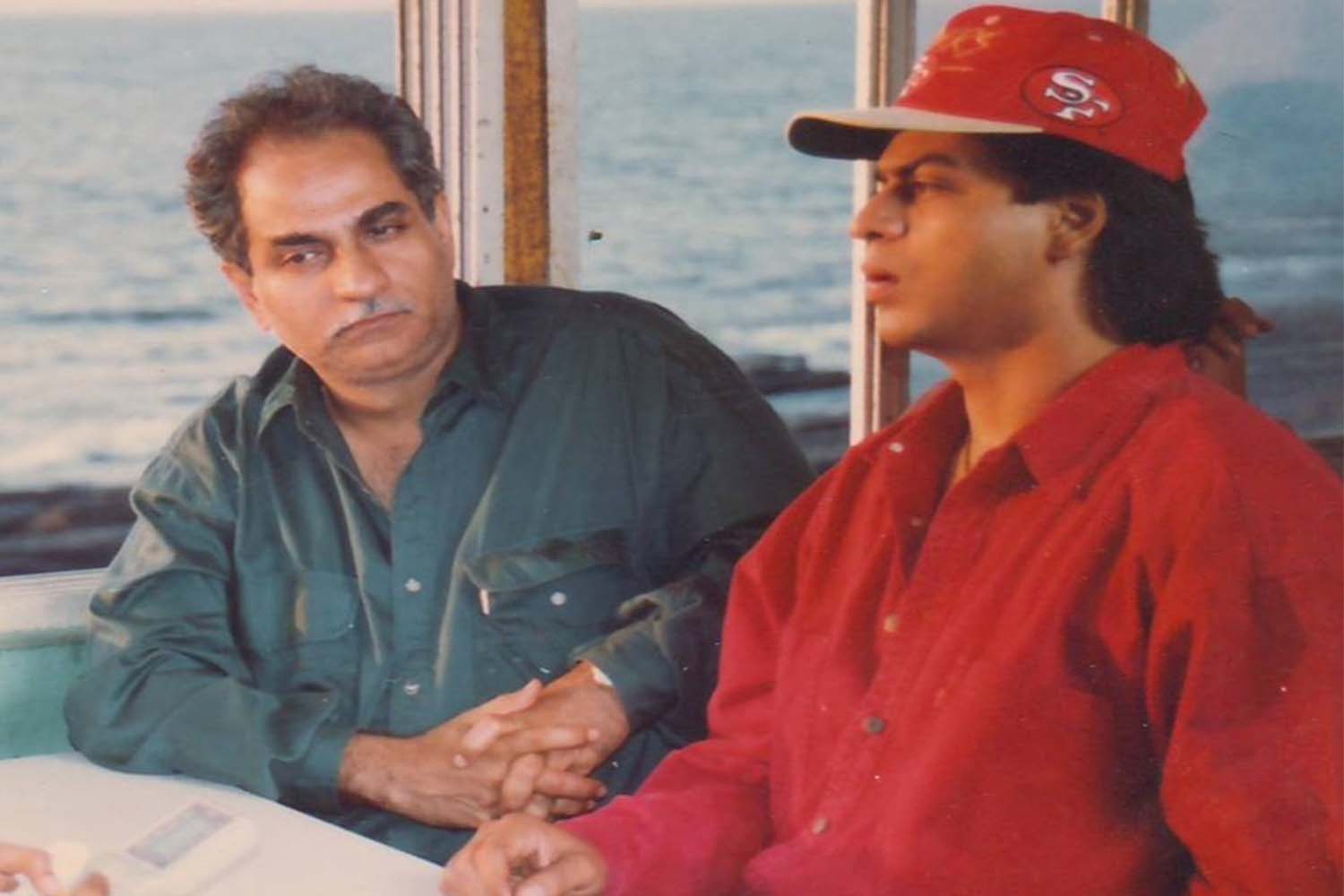
Sippy with the King of Bollywood Shah Rukh Khan during the shooting of ‘Zamaana Deewana’ in the early nineties. Courtesy of Ramesh Sippy/Instagram
How has directing changed over the past few decades? How does your first film differ from your latest in terms of style or process?
Directing remains essentially as it has always been. It begins with a complete vision, which you then bring to life by capturing performances on set. While post-production—soundtracks, special effects, and modern technology—has evolved significantly, the core process hasn’t changed.
Everything still starts on paper. Once you have your script and your vision, the goal is to execute it. For any filmmaker in any era, the challenges are consistent. You learn from the past—how audiences responded to previous work—and carry those lessons into the future. Every film is a new learning experience.
In your view, what is one filmmaking practice from the past that you feel modern cinema has lost?
I wouldn’t say anything has been lost. Anyone entering cinema today does so with a vast awareness of what has come before. Information travels so quickly now, through technology and communication, that knowledge is more accessible than ever. In that sense, it can only be a positive.
What has changed, though, is the challenge. Today, audiences have many more choices. They can sit at home, watch films on streaming platforms or television, and think, ‘I’ll watch this later’. That can sometimes take away from the urgency of going to the theatre.
But if they hear that a film offers a truly powerful cinematic experience—something immersive, something special—then they will still go out to watch it. The theatre has to offer something that can’t be replicated at home.
People often split history into ‘before’ and ‘after’ Sholay, but I never planned for a blockbuster—I just wanted to make a damn good film. It started with a two-line idea, a solid script, but it came to life during filming as we added atmosphere and outdoor elements that you simply can’t capture on paper.
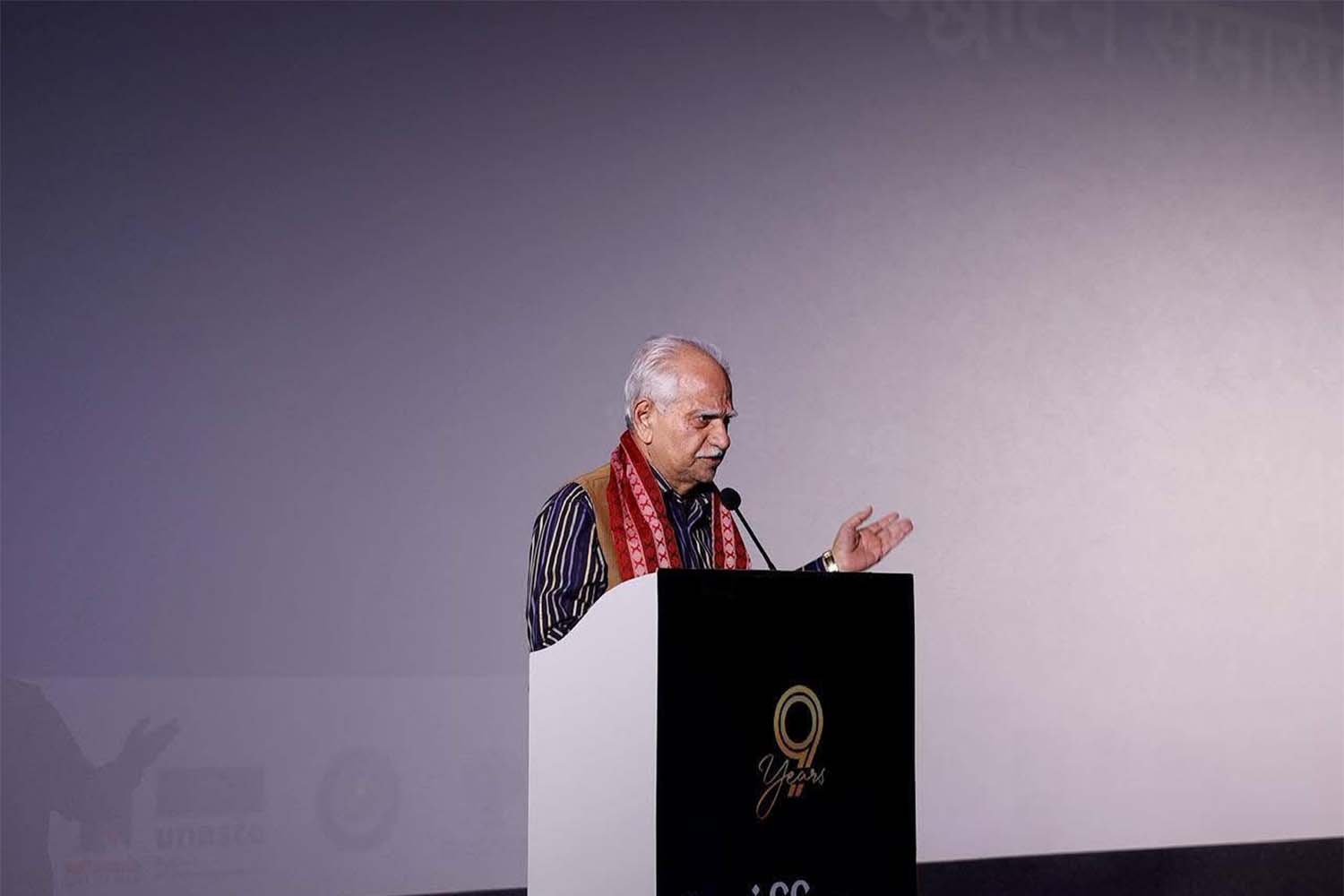
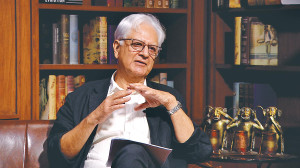
Sippy speaks during the opening of NIFF in Kathmandu on Thursday. Courtesy of NIFF
Do you feel any pressure to break the record of ‘Sholay’?
No, why should I? I don’t want to torture myself.
As the film celebrates its 50th anniversary, I wanted to ask about the uncensored version that’s being screened in theatres.
There isn’t a huge difference, really. The main change is in the climax. In the released version, Thakur does not kill Gabbar. But in the original cut, he does.
But that’s quite a big difference.
Yes, it is. That was the original vision. But the scene did not make it past the censorship. I am glad people can see it now. (The climax where Thakur kills Gabbar Singh was thought too violent and legally dicey.)
What do you think of censorship now? Earlier, you weren’t allowed to show a slightly intense killing scene, but in recent films like ‘Dhurandhar’ and ‘Animal’, the level of violence has rocketed.
You can’t compare two completely different periods. You can’t superimpose the standards of one era onto another.
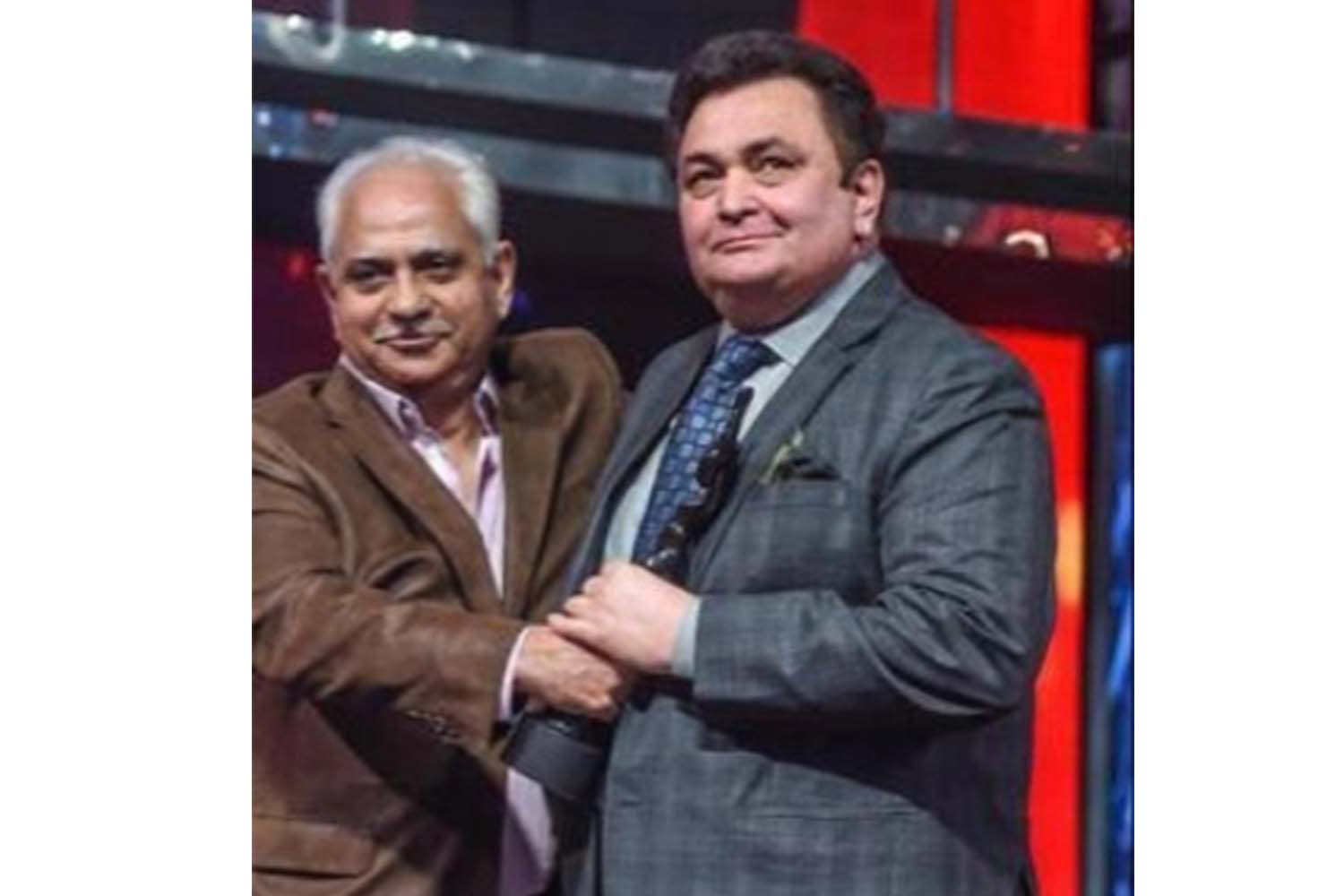
Sippy shares a moment with Rishi Kapoor. Courtesy of Ramesh Sippy/Instagram
So, you don’t look at modern cinema with a hateful gaze?
Never. I see it as a natural change. Things evolve, that’s all. Change has to happen. There’s no reason to resist it.
You’ve also directed and worked with Bollywood stars such as Shah Rukh Khan, Sanjay Dutt, Rishi Kapoor and Rajesh Khanna. Who was the most difficult to work with, and did that difficulty lead to better cinema?
I had a wonderful time with each one of them. I didn’t find anyone difficult to work with. Any sensible person understands what another sensible person is trying to communicate—that’s it.
How familiar are you with Nepali cinema, and what potential do you see here?
Not enough, honestly. I haven’t seen enough films yet, but I would like to. I hope I’ll be able to take some Nepali cinema back with me, or have it sent to me to watch. I’m eager to learn and understand the work being done here. Maybe I’ll catch a few during this visit.
What advice would you give to young filmmakers, Nepali or Indian, trying to create ‘timeless’ cinema today?
This is my third visit to Nepal, and I see a real desire among the youth to create meaningful work. If they continue with that passion, they will keep improving. They’re already doing great work, and with dedication, they can compete with the best in the world. The key is to keep learning, keep experimenting, and stay committed to making films that last.




 16.73°C Kathmandu