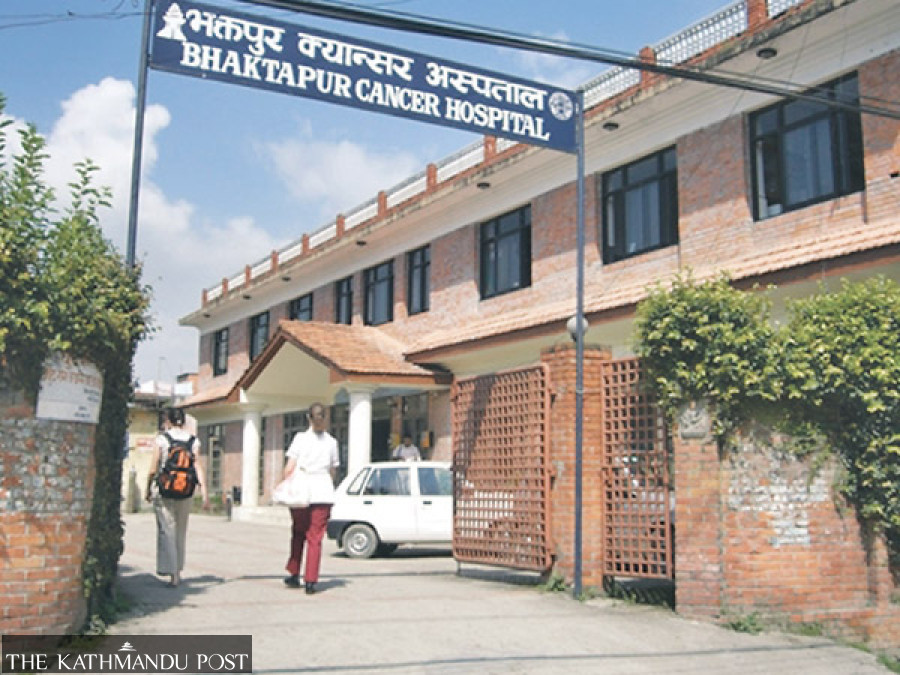
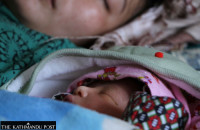
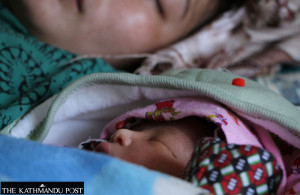
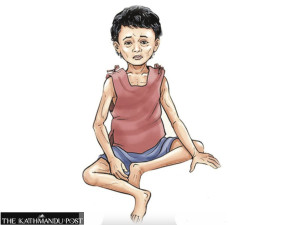
Of the 37 beds allocated for children at Chitwan-based BP Koirala Memorial Cancer Hospital, almost all remain occupied most of the time, suggesting a worrying rise in cancer among children.
Not just the elderly, but even young children and people in their late 20s and early 30s are increasingly developing cancer in the country, oncologists say.
“The number of young cancer patients has increased alarmingly in recent years,” Dr Shivaji Poudel, executive director at the hospital, told the Post over the phone from Chitwan. “However, detailed studies into the cause behind the rise in cancer cases among younger children in the country have not been carried out.”
Though the exact number of cancer patients in the country remains unknown, doctors say overall cancer cases have increased markedly in recent years. According to data provided by the hospital administration, over 210,000 cancer patients sought treatment at the hospital in the fiscal year 2024-025 compared to 138,000 in the fiscal year 2023-024.
This is an increase of 52 percent.
“Over 7,000 of them were newly diagnosed cancer patients, and the rest were cancer survivors and those still receiving cancer treatment," said Poudel.“What is more concerning is that most patients seek treatment only at the third or fourth stages, when chances of recovery are much lower.”
The Global Cancer Observatory, an international agency for research on cancer estimated that there were 22,008 cancer cases in Nepal in 2022 and 14,704 deaths. As many as 44,803 people were diagnosed with cancer in the five years before 2022.
Due to a lack of testing at health facilities, limited access to crucial tests at cancer hospitals, and low awareness of cancer risks among both patients and health workers, many people in Nepal are dying from cancer.
Patients generally do not seek treatment unless it is an emergency, and healthcare providers also do not order testing unless other conditions have been ruled out.
Sedentary lifestyles, consumption of unhygienic foods and growing use of pesticides in the food crops are responsible for the rise in cancer cases in the country, according to experts.
“Genetic factors also play a role, but changing lifestyles are equally responsible for the rise in cancer at younger ages,” said Dr Sudip Shrestha, chairman of Lalitpur-based Nepal Cancer Hospital and Research Center Ltd. “Cancers seen in people in their 50s in Western countries are now appearing in Nepalis in their 30s and 40s. This is serious.”
The hospital administration said around 15,000 patients seek treatment at the hospital every year. Breast and lung cancer have now surpassed cervical cancer as the most common cancer in Nepal, according to doctors.
Among men, lung cancer is the most common, followed by stomach and liver cancers, according to the Global Cancer Observatory 2022 report. Cancers of nose, ear, throat, and colon have also increased markedly in recent years.
The government had decided to provide free screening for cervical cancer at all state-run health facilities throughout the country years ago, but the decision has yet to be fully implemented. Only a few hospitals provide specialised cancer treatment.
“Cancer is cureable, if it is diagnosed and treated at an early stage,” said Dr Shrestha. "But most patients are diagnosed at a late stage, when chances of survival lessens.”
Due to a lack of access and knowledge about service available in the country, most Nepalis travel to India for treatment. Experts say relevant authorities should launch nationwide awareness drives and ensure services are available at least at all provincial hospitals.
The government has included human papilloma virus (HPV) vaccine in the routine immunisation list and has decided to inoculate all girls of 10 years of age with the vaccine to prevent cervical cancer caused by HPV virus.
Human papillomavirus causes cervical cancer and is a major cause of deaths among women in Nepal.
The World Health Organisation says HPV is responsible for over 70 percent of cervical cancers in women. Cervical cancer also happens to be the second most common cancer in the developing world. Early treatment prevents up to 80 percent of this disease.
Along with the HPV vaccine, cancer patients get Rs100,000 from the federal government and an equal amount from provincial governments for treatment.
Arjun Poudel is a health reporter for The Kathmandu Post. Before joining the Post, he worked for Sagarmatha Television, Naya Patrika, Republica and The Himalayan Times.




 17.6°C Kathmandu