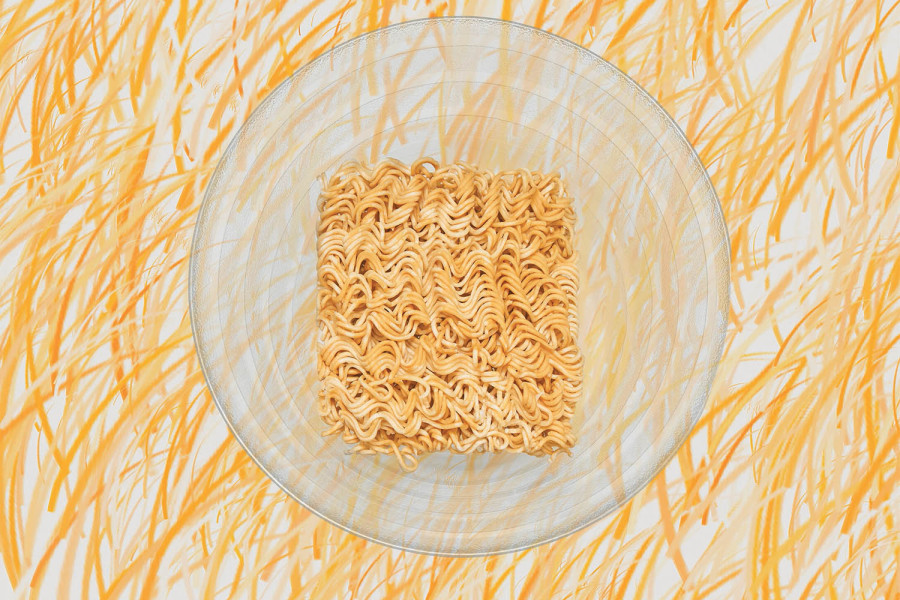
Over 57 percent of children aged between six and 23 months in the three districts of the Valley—Kathmandu, Lalitpur and Bhaktapur—drink sweet beverages, and 46 percent of them consume unhealthy foods, according to a recent report of the Nepal Multiple Indicator Survey 2024-025.
The nationwide study carried out by the National Statistics Office in partnership with UNICEF from December 2024 to March 2025 shows that nine percent of children of the age group in the Valley did not consume any fruits and vegetables on the day before the survey.
The report also shows an alarming rate of consumption of sugary beverages and unhealthy foods at the national level. According to the report, 43 percent of the total children of this age group across the country drink sweet beverages, and 41 percent consume junk foods. Additionally, 25.6 percent of children did not eat fruits and vegetables.
The report shows consumption of sweet beverages and unhealthy foods is higher in urban areas—44.1 percent and 43.7 percent— compared to rural areas—40.8 and 36.6 percent, respectively.
At the provincial level, Lumbini shows the highest rates, with 55.3 percent of children drinking sweet beverages and 48.1 percent consuming unhealthy foods, followed by Bagmati province at 50.3 and 41.1 percent, respectively. In Sudurpaschim province, 44.4 percent of children—47 percent from urban areas and 39 percent from rural areas—drink sugary beverages, while 34.1 percent from urban areas and 33.6 percent children from rural areas consume unhealthy foods.
“Problems could be alarmingly high in children from poor and marginalised families,” said Dr Aruna Uprety, a public health expert, who has long advocated for the use of locally available organic foods. “What concerns me more is that neither the government nor policymakers accept that nutrition is a public health problem, which could have long-term implications for individuals, families and the country.”
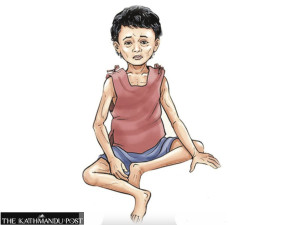
Experts say that consumption of sugary drinks and ultra-processed foods, which nutritionists term ‘junk’, has worsened children’s overall nutritional condition and affected their development. Children deprived of nutritious food and affected by malnutrition face delays in cognitive development and they will not be able to compete on equal footing with well-nourished peers. Malnutrition weakens intellectual capacity, limits productivity in adulthood, and increases vulnerability to diseases, according to experts.
They add that malnutrition is not only a problem of not getting enough to eat, but also of lacking nutritious food, low awareness of locally available food options, and growing preference for unhealthy snacks among children.
“Consumption of sugary beverages and junk foods not only leads to undernutrition but also increases obesity,” said Dr Atul Upadhyay, a nutritionist. “Obesity and underweight are both forms of malnutrition and are detrimental to health in many ways.”
The World Health Organization said that many low- and middle-income countries like Nepal are now facing a ‘double burden’—under-nutrition as well as a rapid upsurge in obesity-related cases, particularly in the urban areas.
Nutrition is directly linked to a country's overall development. It affects children's physical and mental growth, ultimately harming the country’s economic health, according to experts. They say the government has not recognised malnutrition as a serious public health problem in Nepal and has not made policy accordingly to address it.
“Authorities must first accept that malnutrition is a serious public health problem first, then bring in experts for discussions to find solutions,” said Uprety. “The ongoing nutrition crisis can be addressed through planning and increased investments, which require serious determination.”
Nepal also has an international obligation to improve the nutritional status of children. To meet Sustainable Development Goals by 2030, Nepal must reduce stunting to 15 percent from the existing 25 percent, wasting to four percent from the current eight percent, underweight prevalence to 10 percent from the existing 19 percent, and anaemia to 10 percent from over 43 percent.




 21.87°C Kathmandu