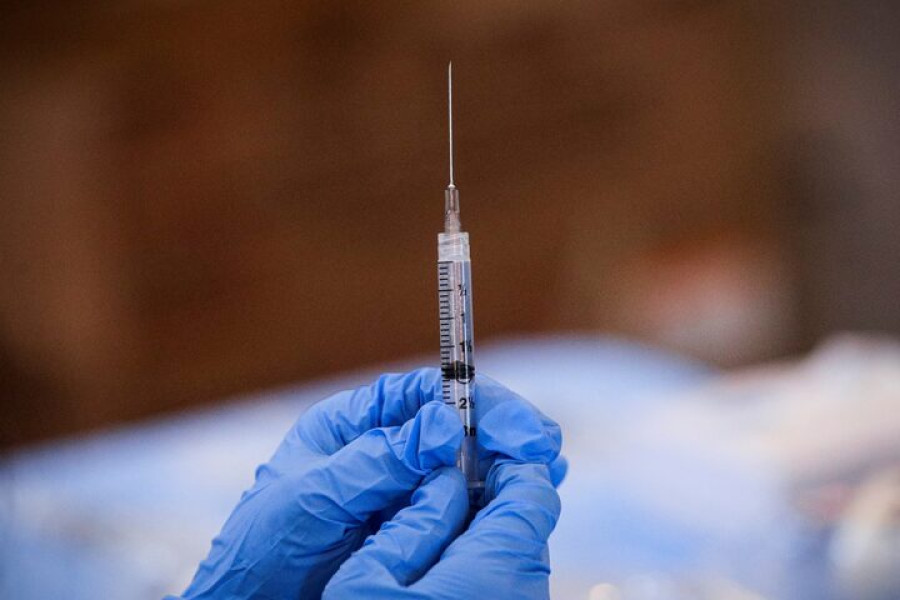
Visit a state-run health facility in your district for the rabies vaccine, and health workers are likely to turn you away, saying they have run out of it. Come to Kathmandu’s Sukraraj Tropical and Infectious Hospital, Nepal’s primary referral centre for rabies treatment, and even this facility is short of vaccines. As the hospital gets more than 500 people daily seeking rabies vaccination, what little remains in vaccine stock is expected to be exhausted within days. In a country where more than 60,000 people get anti-rabies jabs at government health facilities and over 100 die of rabies annually, the current vaccine shortage could soon result in a public health emergency.
According to the World Health Organisation, rabies is a vaccine-preventable viral disease. Post-exposure prophylaxis, an emergency response to rabies, prevents the virus from attacking the central nervous system. Even a minor scratch from a rabies-carrying animal can be fatal if not treated on time. However, the fact that patients are being turned away from health facilities or asked to wait indefinitely for new supplies could drastically increase mortality, especially among those who cannot afford to be treated in private clinics.
Most crucially, the Epidemiology and Disease Control Division, which is duty-bound to supply anti-rabies vaccines to all district hospitals, has given up its efforts to purchase vaccines after failed procurement attempts and has asked the provincial health agencies and local levels to buy them on their own. The shortage is unlikely to be resolved soon. But the vaccine shortage is not a recent problem. It started last year, yet the division didn’t show any urgency despite a months-long shortage. Even as the government allocated Rs130 million to buy rabies vaccines in the fiscal year 2024-25 and doubled the amount in 2025-26 due to higher consumption, authorities failed to purchase vaccines on time. This clearly suggests a lack of preparedness.
The crisis also lays bare the old problems within our healthcare system. Essential and life-saving vaccines should never be out of stock due to bureaucratic delays and procurement failures. However, in Nepal, vaccine shortage continues to routinely ail its citizens. As reported in the Post, as the country also lacks measles vaccines, not all children in outbreak areas have been vaccinated. The shortage of vaccines undermines people’s constitutional right to health and the state’s obligation to ensure access to essential life-saving vaccines. But this is not all. Nepal aims to eliminate dog-transmitted rabies by 2030, in line with the target set by the WHO. Yet the present crisis shows how far the country is from the goal.
If a person is exposed to rabies, up to four doses of the vaccine must be administered, which can be costly to buy in private clinics. Again, when patients cannot access life-saving vaccines at state-run facilities, the financial burden can act as a big deterrent in getting timely treatment. Unless the government treats this crisis with urgency, the cost of inaction may ultimately be measured in many, very preventable deaths.




 15.26°C Kathmandu