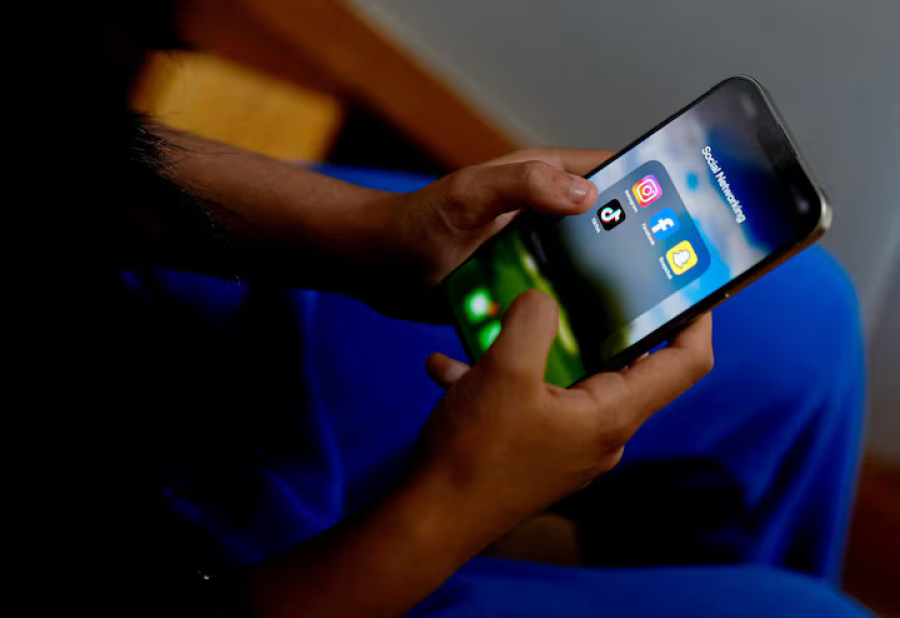
Governments across the globe have started to move away from soft guidelines towards hard legal bans on social media access for minors. This global policy shift is driven by mounting evidence of social media-driven mental health crises, addictive platform designs, and rising cybercrime. Australia recently enacted a nationwide ban for those under 16. In Southeast Asia, Indonesia and Malaysia have introduced regulations to block under-16s from social media platforms. From January 2027, France will implement a law banning children under 15 from social media. Under these new rules, every user in France will eventually need to verify their age to access platforms. The United Kingdom and the European Union are currently drafting and deliberating on legislation to protect children in the digital space.
The arguments for such strict regulations are primarily grounded in public health concerns. Social media platforms are designed to be addictive, using features like infinite scrolling and autoplaying feeds to maximise user engagement. Research shows that adolescent brains, still developing impulse control, often cannot self-regulate against these triggers. Excessive screen time is directly linked to rising rates of depression, anxiety and body image issues among teenagers. Beyond mental health, unrestricted access exposes minors to predators, grooming and extortion. Furthermore, late-night notifications and compulsive scrolling disrupt sleep patterns essential for physical development in minors.
Critics of these bans raise several concerns, often secondary to the safety of the minors. Some argue that blanket bans violate the rights of children to information and participation in public life. They claim that youth might lose vital online support networks if they are unable to access social media platforms. Enforcement also carries risks, as mandatory age verification might require users to share sensitive personal information through biometrics and government IDs, creating privacy vulnerabilities. Additionally, tech-savvy teenagers may use VPNs to bypass restrictions, potentially pushing them into even less-regulated and more dangerous online spaces.
In South Asia, the legal landscape is already shifting to meet these threats. India’s Digital Personal Data Protection Act, which classifies anyone under 18 as a child, requires verifiable parental consent and bans platforms from tracking or profiling minors. Pakistan and Bangladesh are also engaged in active policy debates regarding nationwide bans for those under 16. Meanwhile, Nepal remains behind the curve and currently has no statutory minimum age for social media access. The current legal framework focuses on content moderation rather than restricting access.
Nepal cannot afford to lag behind any longer. While other nations build digital shields, Nepal’s youth remain exposed. Meanwhile, cybercrime against minors in the country has quadrupled in just three years. The rise of generative AI has worsened the situation, with deepfakes becoming common tools for peer harassment. The human cost in Nepal is already significant. One in three Nepali children has expressed a willingness to meet online ‘friends’ in person. Of those who do, nearly 28 percent encounter abusive behaviour. Nearly 40 percent of girls have received unsolicited explicit messages or images online. Mental health is suffering, with over 34 percent of teenagers spending up to six hours a day on social media. This leads to anxiety and academic decline.
Nepal must start an active and urgent discourse on social media regulation for minors. The country’s youth are navigating a digital minefield without adequate protection or literacy. The rise in online-to-offline predatory behaviour and AI-driven manipulation demands a stronger response than mere content moderation. Policymakers need to examine the models used across the world and draft one suitable for Nepal. Waiting for the problem to solve itself is not an option when the well-being of an entire generation is at stake. It is time for Nepal to build a legal framework that ensures child safety on social media platforms.




 14.4°C Kathmandu