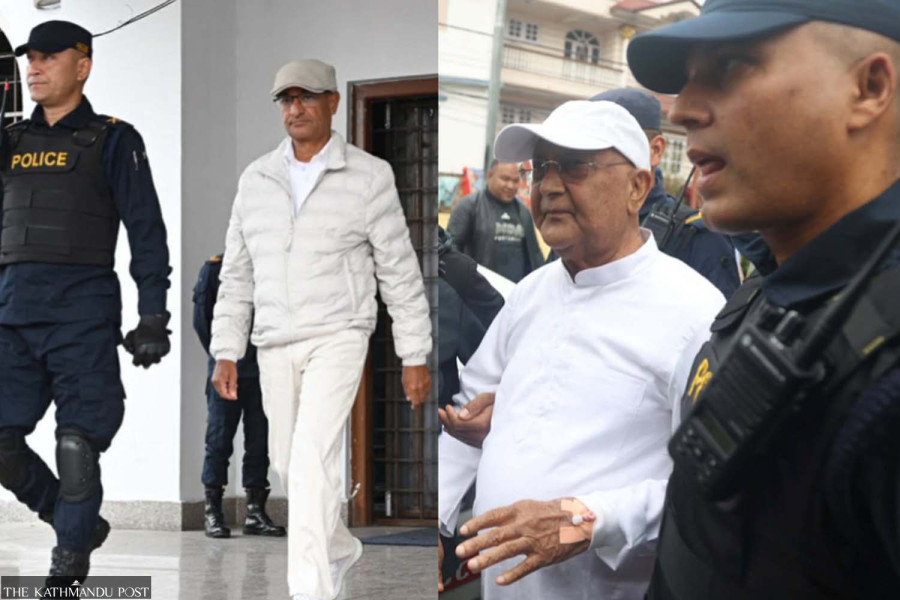
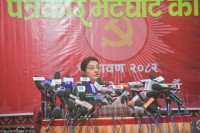
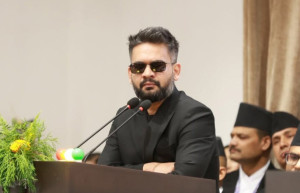
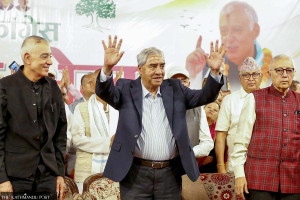
With Balendra Shah assuming office as the 40th prime minister of Nepal, there is palpable excitement in the air. The de facto leader of the Gen Z uprising back in September 2025 now has a resounding mandate to govern the country. He has formed a neat 15-member Cabinet, and his government has published a 100-point reform agenda that ranges from boosting the flagging economy to reducing politicisation of universities and bureaucracy. If even half the pledges are implemented, Nepal will be a much better place to live and work in. Moreover, the new Shah government seems intent on making a strong start so that people can immediately feel the change. Yet, with a mandate to govern for the next five years, there is also no need for it to rush or to take shortcuts, especially on due process. Just a day after Shah assumed office, former Prime Minister KP Sharma Oli and his Home Minister Ramesh Lekhak were arrested. Yet the Gen Z uprising probe report on which these arrests were based has yet to be made public. The arrests also appeared selective, with other top security officials named in the report spared.
The proper way would have been to first make the report public, after which the police could have taken the case against the two politicians to court. Instead, the hasty arrests have fuelled suspicions that the new government could use its supermajority to target its opponents. Such action also undermines the authority of the judiciary, setting another troubling precedent. We hope that the new government—on which people have pinned such high hopes—acts with more caution in the future, including the cases of Oli and Lekhak. This is vital to delivering justice to the families of those killed during the Gen Z uprising—which is one of the government’s justifications for the arrests. All those involved in the brutal suppression of peaceful protests on September 8 last year must be brought to book. Yet if the government is seen to be selectively targeting a few people while sparing others implicated in suppressing the uprising, the legitimacy of the whole process of prosecution and justice-delivery to victim families, starting with the formation of the Gauri Bahadur Karki-led commission last year, will come into question.
On the campaign trail for the March 5 elections, the Rastriya Swatantra Party promised a break with the old way of doing politics, vowing always to take the high road. It is now upon the Shah government to honour this promise. While it goes about implementing its plans and programmes, it must ensure that its actions are legally sound. If the likes of Oli and Lekhak—or any other persons implicated by the Karki report—are guilty, the government should have enough faith in the country’s legal apparatus to do the right thing. With its mandate, the government has a chance to work wonders for the country. It should not let that mandate go to waste by getting embroiled in such distractions that could easily have been avoided.




 15.26°C Kathmandu