As one of the poorest and least developed countries, it was only right for Nepal to seek international support for its vital health and education programmes. And it has been getting plenty of health-help over the years. Yet some recent troubling global developments also highlight the need for Nepal to achieve self-sufficiency in the funding of such programmes. The dramatic cuts of the US government funds supporting targeted health measures in poor countries have also hit Nepal hard. To take just two recent examples, years of Nepal’s achievements in immunisation and in HIV/AIDS control could be reversed after the fund cuts. Nepal’s immunisation programme is considered the most successful in South Asia, helping avoid hundreds of thousands of premature deaths and many more disabilities. Yet the US fund cuts for the Global Alliance for Vaccines and Immunisation (GAVI), which meets around half of Nepal’s immunisation needs, threaten to unravel the progress in prevention of diseases like polio, measles, rubella and Japanese Encephalitis.
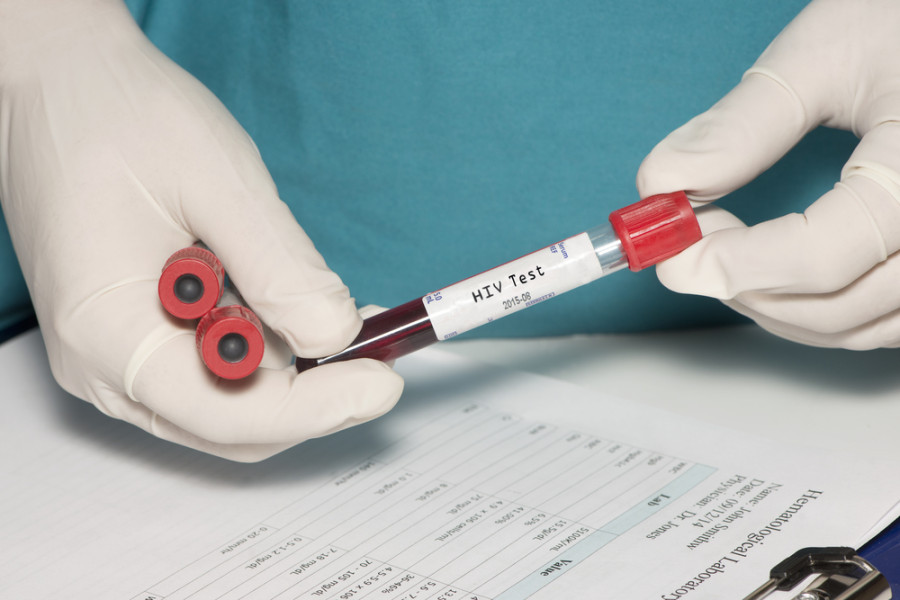
Similarly, the sudden halt in money coming from the USAID has led to an alarming decline in HIV testing in the first half of 2025. According to the National Centre for AIDS and STD Control, 214,722 people underwent HIV testing from January to June this year, compared to 325,514 in the same period in 2024. With the decline in testing, new case detection has fallen proportionally: 1,024 new HIV cases were detected until June this year, compared to 1,575 new ones in the same period last year. Most alarming is the fact that testing has declined in the general population but there has been an even sharper decline in testing among high-risk groups—female sex workers, men having sex with men, transgender and other vulnerable populations.
Given the volatility of global politics today, it would be dangerous to keep relying on others to meet the country’s crucial health needs. It is not that Nepal does not have money to do so. The problem is rather that the health sector has been a victim of decades of neglect, abuse and mismanagement. Just as is the case with our centres for higher education, state-run healthcare institutions have been hobbled by politicisation and corruption. Even in areas like immunisation and HIV-control, decades of international support could have been used to develop native experts in the fields. The fund cuts, for instance, are likely to hit programmes to increase awareness on vaccines and HIV/AIDS. But why do these awareness programmes need to be supported by outside funds to start with? Why don’t we have a solid network of healthcare officials and messengers to do the job by now?
There is an acute shortage of healthcare workers in Nepal, everyone from doctors to trained immunisation officials. Our healthcare institutions are themselves ailing. It is in fact a shocking indictment of Nepal’s over seven-decade-old quest of planned development that it cannot even ensure basic health and education services to its citizens. But this is something for our planners and policymakers to mull over. More immediately, the country must develop an action-plan to achieve greater self-sufficiency in targeted health measures like vaccination and HIV-control—the areas where the state can get the most bangs for its bucks.




 19.27°C Kathmandu