With less than a week to go for the March 5 parliamentary elections, Nepal needs to navigate itself out of a precarious intersection of civic duty and a public health crisis. The Ministry of Health and Population has issued a directive, placing emergency departments of hospitals on high alert for a projected surge in patients around election day. The anticipated increase is a damning indictment of a political culture that prioritises aggression over discourse, compounded by the health hazards of the winter season. The sanctity of the democratic process, however, must not be clouded by infections or avoidable bloodshed.
Historically, the period surrounding election day is marred by scuffles, brawls and organised fighting. Past experiences indicate a predictable and shameful escalation of violence that places undue pressure on the hospital emergency rooms. The cycle of aggression, frequently fuelled by the inflammatory rhetoric of party leadership and the unchecked enthusiasm of its cadres, is a big stain on Nepal’s democratic aspirations, especially in the aftermath of the Gen Z movement.
Nepal is also navigating the peak of the influenza season, a time when respiratory infections flare up across the nation. March represents a critical window where cases of fever, flu and cough surge significantly. The prevalence of seasonal influenza viruses poses a severe threat to the election. If left untreated, infections can rapidly progress to fatal pneumonia, creating an environment in-conducive to the elections. The decision to hold elections during the peak flu season, a time when thousands are already being infected, necessitates a heightened level of individual and collective vigilance.
The declaration of public holidays on March 4-6 is intended to facilitate the mass movement of citizens returning to their home districts to exercise their franchise. While this ensures participation, it simultaneously creates a hazardous environment. The surge in mobility correlates with a heightened risk of road traffic accidents. Furthermore, the crowding inherent in public transport hubs and the transport itself provides a fertile ground for the rapid spread of communicable diseases. In this environment, the young and active—who may carry infections asymptomatically—risk bringing home devastating illnesses to their elderly and comorbid family members.
The strain on the healthcare infrastructure is further exacerbated by the suspension of non-emergency surgeries and outpatient care during the election holidays. Health workers, who have been denied leave and asked to remain in constant contact with their administrations, are being stretched to their limits. Despite requests from the Health Ministry to spare these professionals from election duty, they have been deployed to polling stations, essentially serving as a front-line defence against the potential fallout of political volatility and health emergencies. It is a grave injustice to these dedicated professionals when they are forced to treat injuries born of petty political brawls rather than focusing on the genuine medical needs of a populace grappling with a peak infection season.
The onus is on every voter to approach the polls with the utmost caution. Adhere strictly to the advice of the Health Ministry: wear masks, avoid unnecessary crowds, and practice rigorous hygiene. Each individual needs to undertake the duty to protect the vulnerable among us—the elderly and those with underlying conditions—by ensuring that civic participation does not become a vector for their illness.
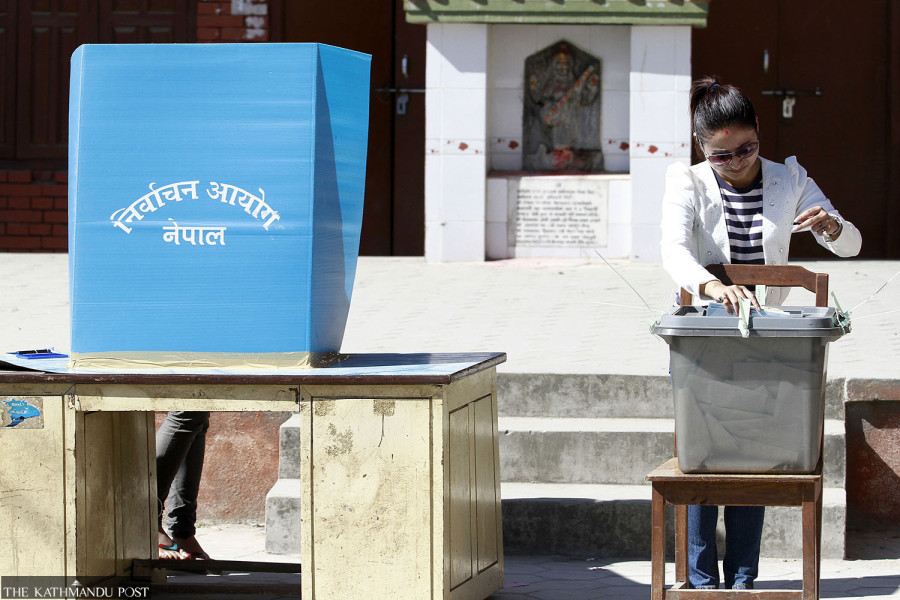
The ballot box should be a symbol of national progress, not a trigger for a health emergency or a catalyst for civil unrest. The upcoming election must be defined by the clarity of the collective voice, not the chaos in hospitals. We cannot allow the machinery of democracy to be oiled by the blood of the citizenry or the grief of those who lose loved ones to avoidable negligence.




 14.82°C Kathmandu