



 12.72°C Kathmandu
Fri, Oct 23, 2026
Columns
Women farmers: The heartbeat of Nepal’s food systems
Celebrating the International Year of Women Farmers means investing in women’s leadership and ensuring that policies and markets reflect their central role.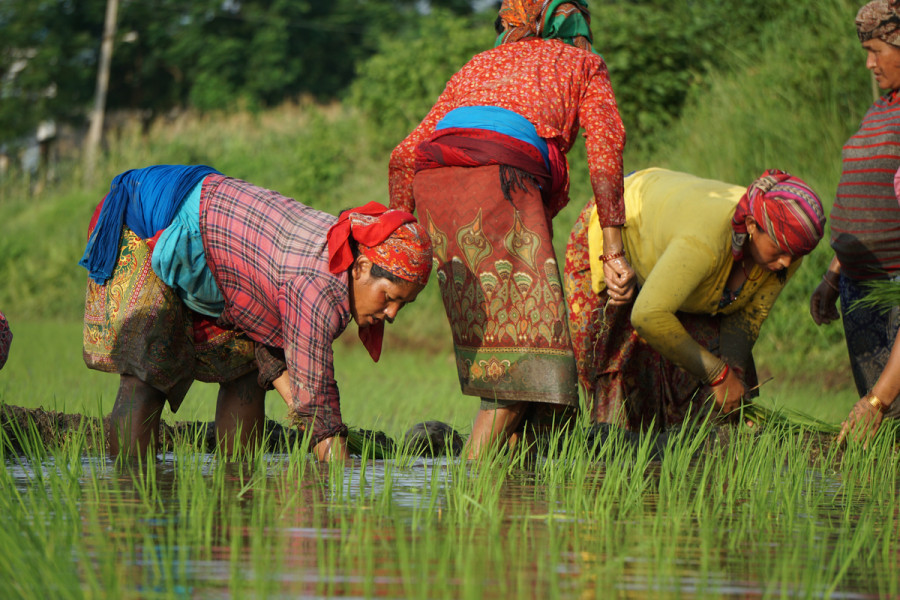
bookmark
Prabin Gurung
Published at : April 7, 2026
Updated at : April 7, 2026 16:31
As the world marks the International Year of Women Farmers, I find myself reflecting on Nepal, where women farmers truly hold our food systems together. They feed families, protect fragile ecosystems and sustain the national economy. Yet too often, their contributions remain invisible in policy and public discourse. That invisibility must end.
Women farmers are not simply producers of food. They are sources of wisdom, ingenuity and resilience. They carry solutions to their communities’ challenges and speak with powerful voices for food-systems change. Across Nepal, women are ready to take ownership of progress and tell their own story.
At the heart of this transformation is the idea of a farmer-led food system. This means recognising farmers not as passive recipients of aid, but as leaders who shape solutions rooted in local knowledge, ecological balance and cultural identity. Women farmers live this vision every day.
Feeding the World
Globally, women make up about 43 percent of the agricultural labour force in developing countries. In some regions, the share is even higher. In low-income countries, women produce up to 80 percent of the food (World Bank). Across Nepal’s villages, this reality is visible everywhere.
I think of Sushila Khanal, Manager of Shantikunj Cooperative in Ratnanagar, Chitwan. She once said, “We want to gain the trust of the market. Many women like me are confident enough to set up our own businesses nowadays. If you have an income source, you are more confident and independent."
Her words reflect the growing confidence and leadership of women farmers. They are not only producing food but also building enterprises, shaping markets, and redefining what it means to be a farmer in the 21st century.
Saving the planet
Women farmers are also guardians of the environment. They plant, harvest, manage livestock, process food, and care for natural resources. Their work strengthens food security and builds resilience in communities.
In Madhesh Province, where droughts often leave fields barren, women farmers introduced water-boring technology to secure year-round irrigation. With support from Heifer Nepal, they revived crops and restored hope for more than 150 households. Rekha Devi of Rautahat district said, “Before, our fields would dry up. Now, even in the hardest months, we see green.”
These women are not waiting for solutions to arrive from outside. They are experimenting with composting, biofertilisers, and crop diversification, while drawing on traditional ecological practices. By reducing reliance on chemicals and reviving indigenous knowledge, they are strengthening soils, protecting fragile ecosystems, and building resilience against climate change.
Women farmers are not isolated actors. They are a chorus, making decisions together, solving problems together, and speaking with one strong voice. As guardians of people and the planet, they sustain life and nurture the future from the roots up.
Driving the economy
Closing gender gaps in agrifood systems could add roughly 1 percent to global GDP, showing the economic power of women farmers when barriers are removed (Fair Planet). Some analysts suggest that if women had equal access to land, credit, technology, and inputs, agricultural output could rise significantly, and hunger could fall by about 17 percent.
In Nepal, agriculture employs a large share of the population. With male out-migration, the share of women-headed farm households rose from 19 percent to 32 percent in the last decade (IWMI). This shift underscores women’s central role in sustaining rural livelihoods and driving the national economy.
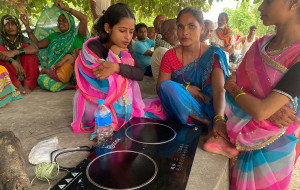
I have seen this firsthand in Tanahu district, where the Atipriya Social Entrepreneur Women’s Cooperative has grown into a powerhouse of 443 members. Sunmya Thapa, Marketing Manager of the Cooperative, said, “We are no longer just farmers, we are businesswomen.”
In Sindhuli, the Kamalamai Social Entrepreneurs Women’s Dairy Cooperative has turned dairy farming into a professional and sustainable business. Launched in 2024 as part of the Korea-Nepal Model Dairy Village, it now serves as a learning hub for smallholder farmers nationwide. Sita Kumari Karki, Chairperson of the Cooperative, explained, “This cooperative is more than a business. It is a platform where women farmers learn, lead and show the nation what is possible.”
Across the country, women-led cooperatives working in the dairy, goat, honey, poultry, agriculture, vegetable, and livestock value chains are stabilising prices, reducing reliance on middlemen, and connecting smallholders to regional markets.
Women farmers are more than food producers. They are entrepreneurs and innovators. With the right resources, they can accelerate prosperity for entire communities and nations.
Leading the change
A sustainable food system is one that delivers culturally appropriate, nutritious food while protecting the land, livelihoods, and communities that produce it. This vision is already alive because women farmers are leading it. They are feeding the world by nourishing families, communities, and nations. They are saving the planet by practising regenerative methods that restore ecosystems. And they are driving the economy by building cooperatives, enterprises, and market leadership that fuel inclusive growth.
Transformation happens when we partner with women as visionaries and active decision-makers, rather than passive participants. When women drive change in food systems, they build better futures for everyone.
Honouring women farmers
Celebrating the International Year of Women Farmers is more than symbolic recognition. It means investing in women’s leadership, amplifying their voices, and ensuring that policies and markets reflect their central role.
Women farmers are not just cultivators of crops. They are cultivators of resilience, identity, and hope. Their leadership ensures food systems thrive in balance with nature, culture, and economy.
The farmer-led food system is not an abstract idea. It is a lived reality in villages across Nepal, where women’s hands and voices sustain life itself.
And the next time you sit down for breakfast, lunch, or dinner, pause for a moment. Honour the women farmers who are at the heart of the food on your plate. Be grateful for their vision, their labour, and their courage.
When women engage, everyone rises. When we honour women farmers, we honour the very foundations of life itself.
Prabin Gurung
Gurung is the Knowledge Management and Communication Manager at Heifer International Nepal.



Most Read from Columns



Editor's Picks





E-PAPER | October 23, 2026

×