



 25.92°C Kathmandu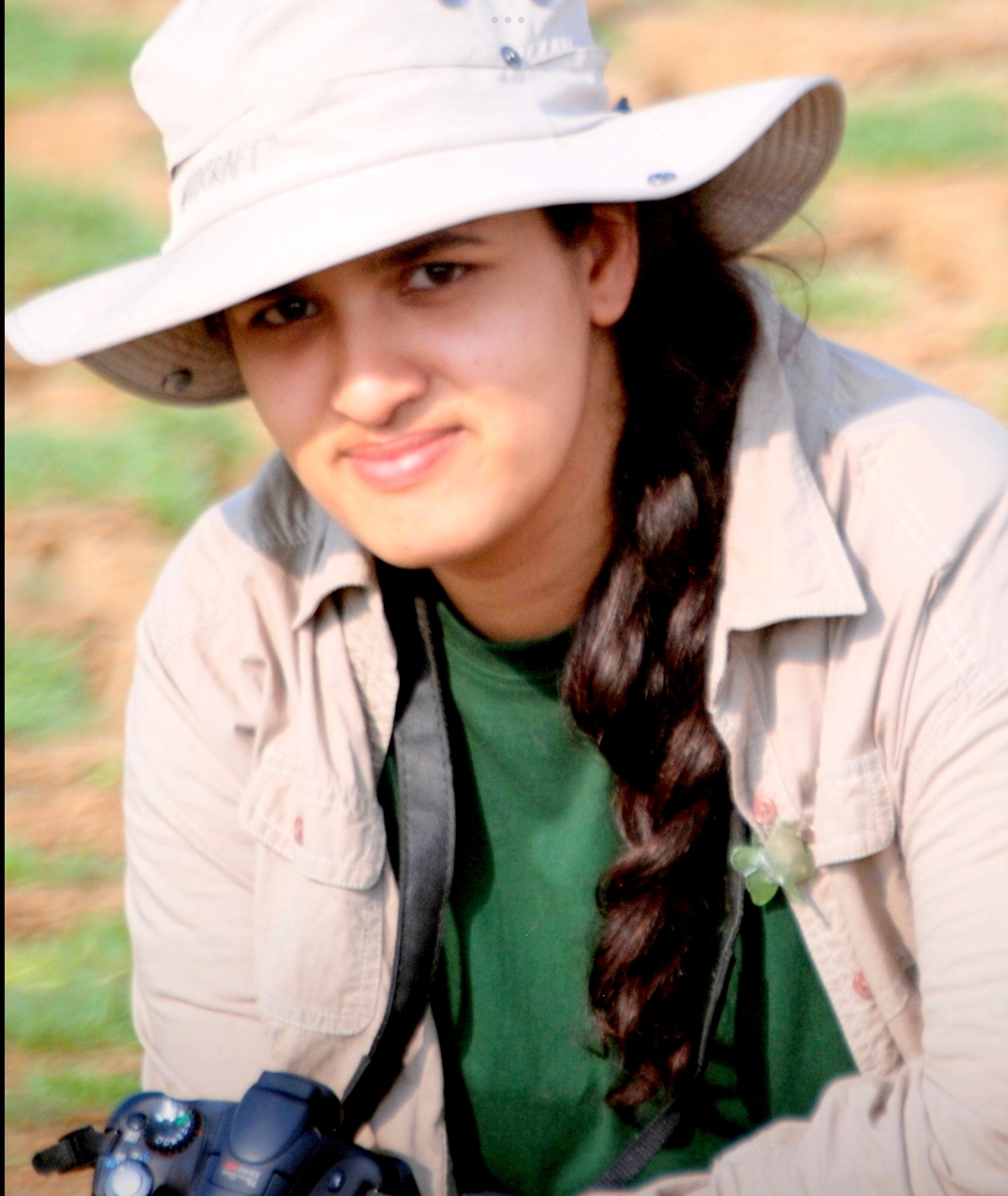

Tue, Oct 27, 2026
Columns
Childhood on the human-wildlife interface
A future where children sleep peacefully and see wildlife as neighbours is an achievable goal.
bookmark
Sanjeeta Sharma Pokharel
Published at : February 24, 2026
Updated at : February 25, 2026 15:47
Across most regions of Nepal, people and wildlife have co-existed since time immemorial. For communities living along forest fringes, sharing rivers, forests and living spaces with wildlife, encounters with wild animals are not rare but an everyday reality woven into the rhythm of life. Unfortunately, many of these encounters and interactions are often negative, sometimes fatal, and frequently traumatic for both humans and animals. For those living in urban areas, it may be difficult to fully grasp the constant tension experienced by families at the human-wildlife interface. The fear is not abstract; it is immediate and deeply personal. It is the fear that descends with dusk, ‘What if an elephant tramples our home tonight?’ ‘What if a tiger attacks me on my way back home?’ It is the anxiety of parents who spend entire nights guarding their homes and crops against elephants or other wildlife, sacrificing sleep so their families can feel safe. And within these households are children, quiet witnesses to uncertainty, exhaustion and danger.
Human–wildlife negative interaction (popularly known as “conflict”) is often discussed through polarised perspectives. One narrative prioritises human safety and livelihoods, while another emphasises wildlife conservation. Yet the reality is far more complex. These interactions are influenced by ecological pressures, altered animal behaviour, land-use change, socioeconomic inequalities, governance challenges, and cultural values, all intensely intertwined. Too often, however, one crucial dimension remains overlooked: the impact on children. During a recent visit to Nepal, I travelled to communities experiencing increasing elephant movement. Casual conversations with local residents revealed a reality that statistics alone cannot capture. Children growing up in these areas live under continuous psychological pressure. Nights are restless, punctuated by efforts to chase animals away from their farmlands, shouting, or the constant fear of animals approaching their homes. Sleep deprivation becomes their routine. What alarmed me most was the realisation that, over time, this chronic lack of rest can affect the concentration, academic performance, emotional regulation, and personality development of such children.
Some children carry deeper scars. Living in communities where neighbours have been injured or killed by wildlife leaves lasting trauma. In Bardiya, for example, the death of a schoolboy killed by a wild elephant around 2016 while returning home created profound fear among other children in the region. Such incidents are not limited to elephants; attacks by tigers, leopards, snakes, and other animals also influence children’s perceptions of the natural world. Instead of curiosity or wonder, fear becomes the dominant emotion. This fear may alter behaviour in subtle but significant ways. Children rush home before dusk, avoid isolated paths and hesitate to travel alone. A local teacher shared that during peak wildlife movement seasons, school attendance drops noticeably. Some students arrive exhausted after sleepless nights spent with families guarding crops and homes. Others miss examinations entirely because elephant herds block the only route to school. Over time, academic performance declines, confidence erodes, and educational opportunities narrow.
These lived experiences, rarely documented in official reports, point us to a critical gap in how we approach human–wildlife conflict. Discussions frequently focus on compensation schemes, fencing, early warning systems, or relocation strategies. While these interventions are essential, they seldom address the psychological and developmental impacts on children. We know that childhood experiences determine lifelong trajectories. Chronic stress, fear and trauma can influence mental health, decision-making, and social relationships well into adulthood. Addressing human–wildlife conflict, therefore, requires an age-sensitive perspective. Protecting vulnerable groups, especially children and the elderly, should be central to mitigation planning. Practical interventions could include safe school transportation, community escort systems during high-risk periods, improved early warning networks, child-sensitive counselling support, and flexible educational policies that account for conflict-related disruptions. Ensuring adequate rest and emotional security for children is not a secondary concern; it is foundational to community resilience.
Prominently, the impact of conflict is not limited to people alone. Wildlife societies are equally disturbed by human pressures. Animals experience stress, injury, and social disruptions. Young animals, much like human children, are especially vulnerable. Calves separated from their herds, juveniles exposed to conflict situations, and disrupted opportunities for social learning alter their behaviour, which may affect their survival. In this sense, both human and animal childhoods become casualties of the same ecological imbalance. Recognising this shared vulnerability offers a powerful and unifying perspective. Conservation and human well-being are not opposing goals, but they are interconnected responsibilities. Creating landscapes where both people and wildlife can prosper requires empathy that extends across species boundaries and across generations.
At this pivotal moment in Nepal’s political transformation, there is an opportunity to bring children, humans and animals alike into the centre of the conservation policy. Conflict mitigation strategies must go beyond erecting physical barriers and compensation frameworks. They should actively prioritise safety, psychological well-being, and stable development for communities living alongside wildlife. A future where children can sleep peacefully at night, attend school without anxiety, and see wildlife not as an enemy but as a neighbour is not an unrealistic dream, but an achievable goal! Only when we protect the youngest among us, on both sides of the human–wildlife interface, can we truly claim to be building a compassionate coexistence. And in doing so, we do more than reduce conflict; we cultivate a generation capable of living with nature, rather than against it!
Sanjeeta Sharma Pokharel
Pokharel is an elephant biologist, working as a Hakubi Assistant Professor at Kyoto University, Japan.


Most Read from Columns



Editor's Picks

What to know about the US trial over Mamta Kafle’s disappearance

NPL returns with bigger ambitions and global recognition
What’s new in the Nepal Premier League’s third season?
After Nepal’s recent disaster, it wants to test whether COP31 can deliver climate justice

Why does an hour long flight to Dhangadhi cost more than a flight to New Delhi?
E-PAPER | October 27, 2026

×