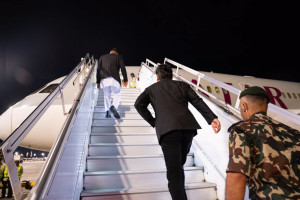
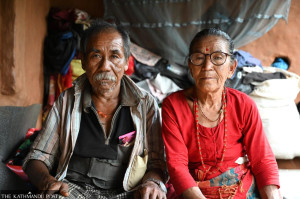
Since the establishment of diplomatic ties in 1977, Nepal and Saudi Arabia have shared a close labour partnership. Nepali workers have long played an important role in our economy, contributing across sectors including construction and hospitality, while also supporting livelihoods and prosperity for families and communities in Nepal.
Building on this shared history, the agreement on general workers recruitment signed by Saudi Arabia and Nepal on the sidelines of the Global Labour Market Conference in Riyadh is a forward-looking step in strengthening cooperation and supporting effective, well-governed employment relationships. The agreement builds on the long-standing Saudi Arabia–Nepal relationship, shaped by decades of cooperation and shared progress. It underscores joint priorities, including skills development, fair recruitment practices, and the promotion of workers’ well-being. For Nepali workers and their families, the agreement supports safer and more secure employment pathways and expands access to economic opportunities. For employers, it helps ensure access to skilled, job-ready talent aligned with the Kingdom’s labour market needs.
Today, more than 340,000 Nepali citizens are part of the Kingdom’s labour force, playing vital roles in mega-projects, emerging industries, and the delivery of essential services. Their contribution is recognised and valued, strengthening the delivery of national projects, enriching the fabric of our workforce, and deepening the partnership between our two nations. These efforts are a vital contributor to Vision 2030, the national transformation plan led by Prince Mohammed bin Salman bin Abdulaziz Al Saud, Crown Prince and Prime Minister. As Saudi Arabia works toward a diversified economy, the contribution of workers from around the globe remains central to the Kingdom’s national transformation agenda.
In recent years, labour ties have deepened through sustained cooperation between our two nations. The participation of Nepali delegations in high-level forums such as the annual Global Labour Market Conference, most recently in January 2026, highlights Nepal and Saudi Arabia’s joint commitment to shaping the future of labour mobility and workers’ welfare.
The Global Labour Market Conference served as a platform for Saudi Arabia and Nepal to advance their shared labour priorities. As one of the world’s leading forums focused on the future of work, the conference convened ministers, policymakers, international organisations and labour market innovators to exchange insights and coordinate practical solutions. More than 10,000 participants and 200 speakers from over 100 countries gathered under the theme ‘Future in Progress’, creating a structured and forward-looking environment for partner nations to align on labour mobility, skills development and worker protection.
Nepal and Saudi Arabia also participated in a Ministerial Roundtable during the conference, which reaffirmed international commitment to building resilient, future‑ready labour markets. Discussions among ministers and officials from more than 40 countries centred on practical knowledge‑sharing, including aligning employment policies with emerging workforce needs. The participating ministers and officials also endorsed six priority actions, notably enhancing skills recognition, strengthening responsible AI governance, and advancing forward‑looking workforce planning.
No nation can navigate the profound shifts reshaping global labour markets on its own. That is why forums such as the conference play an essential role in converting shared insights into joint action. Yet dialogue alone is not enough. Lasting progress depends on sustained commitment: Turning today’s consensus into concrete policies that safeguard workers, expand opportunity, and equip labour markets to thrive amid future change. For Saudi Arabia, this commitment was demonstrated in 2021 with the launch of the Labour Reform Initiative. This was a landmark moment for the Saudi labour market, with the transformation of the contractual relationship between workers and employers.
Another cornerstone reform in Saudi Arabia’s evolving labour market has been the implementation of the Wage Protection System, ensuring timely and accurate compensation for workers. The Wage Protection System covers all private sector workers in the Kingdom, routing wages through official channels such as bank accounts and approved digital wallets. Equally important is the Kingdom’s continued focus on occupational safety and health. As part of our commitment to safe, healthy and well-regulated workplaces, Saudi Arabia has strengthened national workplace safety standards, expanded inspections, and adopted preventive policies that address both everyday workplace risks and seasonal challenges.
Measures such as nationwide restrictions on outdoor work during peak summer heat are part of a comprehensive approach to safeguarding worker well-being and aligning labour protections with international best practices, and these reforms have delivered tangible results. We are also committed to making the recruitment journey smoother and safer, recognising that the expatriate workers’ journey begins long before they arrive in the Kingdom. The Qiwa platform streamlines employment services in the private sector and promotes fair labour standards, while dedicated skills initiatives like the Skills Verification Program help Saudi Arabia align its workers’ skills requirements with its partner nations.
For decades, Nepali citizens have been integral to Saudi Arabia’s growth, and their role will remain central in the years ahead. Through continued cooperation and clear governance, underpinned by the new agreement on general workers recruitment, Saudi Arabia and Nepal can ensure that labour mobility delivers dignity, opportunity and mutual benefit, strengthening a labour partnership that serves both our peoples and our shared future.




 20.85°C Kathmandu