It was sometime in the early 1970s. BP Koirala was in exile in Banaras and advocating an armed rebellion to overthrow King Mahendra’s autocratic regime. In a speech on the anniversary of Gandhi’s death, he defended the call for arms thus: Violence is never desirable, but there are times when, for the greater good, violence becomes inevitable. “Take, for example,” he said, “a woman in labour who is likely to die with her baby unless the baby is delivered by the caesarean method.” The caesarean section is intrusive and violent, but it is the only option to save both the mother and the baby. His message was that when idealistic remedies fail to correct malfeasance by the powerful, a less idealistic approach is the only option.
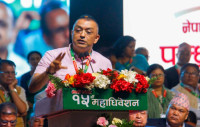
The recently concluded special general convention of the Nepali Congress was one of those ‘less idealistic’ options. Over the past several years, the leadership of the party, particularly its president, Sher Bahadur Deuba, and his acolytes, had become increasingly unresponsive to the demands of younger leaders. The Election Commission (EC) confirmed the legitimacy of the special general convention and the new leadership it elected.
A rebellious group within the party led by Gagan Thapa legitimately ousted the old leadership. Thapa became its new president. But the story is just beginning. A leader of the Deuba faction of the Party, Purna Bahadur Khadka, moved the Supreme Court (SC) to declare the special general convention illegal. How will the decisions of the convention impact the future of the Congress and other political parties?
The future of Congress
The future of Congress depends on several factors: The strength of the Deuba group’s opposition to the new leadership, the ruling of the SC on Khadka’s litigation, and the speed with which Thapa enforces the agenda passed by the special general convention.
The Deuba faction seemed to hold up to 40 percent support, including fence sitters—those who called for a change in the party’s leadership but declined to back the convention. After the EC confirmed the convention’s legitimacy, many of these fence sitters supported the new president, thereby reducing Deuba’s support.
However, all this may change if the SC rules in Deuba’s favour. Most legal experts consider it unlikely, but Nepal’s courts are filled with party loyalists, and the possibility of the court overturning the EC’s decision cannot be dismissed. Should that occur, internecine fighting within the Congress is almost certain. This would weaken the party to the point of near extinction. Conversely, if the SC upholds the EC’s decision, the opposition to the newly appointed president and his team will disintegrate. The rise of a new generation of leaders within the Congress will genuinely commence.
The special general convention approved an ambitious agenda to strengthen the party and democratic practice in the country. These include a maximum of two terms for the prime minister, a thorough investigation of all corruption cases since 2006, increased internal party democracy, lateral entry into the party and government funding for parties. Implementing parts of this agenda will require amending the existing constitution, which is not possible without the support of two-thirds of the members of parliament. Since the parliamentary election is less than two months away, implementation before the election is not feasible.
Popular support for the Congress had dropped to levels comparable to that of the communists, the Congress’s governing partners over the last decade. To secure a decent result in the upcoming election, Thapa’s leadership must persuade supporters who have shifted to other parties that the new leadership is sincere, it will follow through on its commitments, it will implement its agenda within the party and, with priority, propose constitutional amendments in line with the agenda.
The agenda provides the Congress with a fresh message to take to voters and could improve the party’s performance in the coming election, beyond what might realistically be expected with the old leadership and no new ideas. However, it remains unlikely that Congress or any other party will win enough seats to form the post-election government. Even if it forms a coalition with other parties, it probably won’t secure enough seats to lead the government. Over the next four years, the party should focus on clearly delivering its agenda and holding the post-election government accountable. This strategy should boost its chances in the next election.
Final words
The policy agenda adopted by the special general convention emphasises strong internal democracy, accountability of party leaders, and robust public institutions. Internal democracy serves as the party’s safeguard against straying from its ideological roots and as a means to infuse it with fresh ideas. It also helps keep leaders’ excesses in check.
The Congress’s implementation of the agenda will mark a new chapter in Nepal’s democratic development. It will pressure other parties to improve their internal democracy, increase transparency and be more accountable. This special general convention will be remembered as a crucial moment in Nepal’s history.




 16.07°C Kathmandu



.PNG&w=200&height=120)