



 16.49°C Kathmandu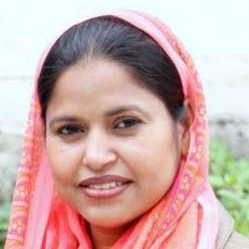

Fri, Oct 23, 2026
Columns
When rights watchdogs falter
NHRC is a reflection of problems of Nepali society, including misogyny and exclusion of minorities.
bookmark
Mohna Ansari
Published at : January 18, 2026
Updated at : January 18, 2026 07:22
As Nepal approaches the upcoming Universal Periodic Review (UPR), I am reminded of the previous recommendations made by the mechanism of the United Nations Human Rights Council regarding the National Human Rights Commission (NHRC), many of which remain unimplemented. The NHRC remains one of the many constitutional bodies in Nepal that have failed to deliver on their mandate, precisely because of the highly politicised and corrupt climate in the country.
My tenure as a Commissioner of the NHRC of Nepal (2014–2020) coincided with one of the most complex political transitions in the country’s history. Nepal was drafting a new constitution amid deep polarisation over federalism, social inclusion, citizenship rights and equality. These debates unfolded against a backdrop of historical exclusion, particularly of Madheshis, Tharus, Dalits, women and other marginalised groups, many of whom perceived that the 2015 Constitution fell short of their aspirations. In this context, the NHRC’s mandate—to act as an independent, impartial guardian of human rights—was both crucial and profoundly challenging.
The effectiveness of the NHRC was significantly constrained by politicisation and its non-inclusive institutional structure. Coming from a socially excluded community, I faced persistent challenges within a bureaucracy and leadership structure dominated by upper-caste male officials. These structural imbalances manifested in both subtle and overt attempts to undermine my authority, including non-cooperation, procedural obstruction, and delays in responding to rights-based initiatives. Such internal resistance weakened the NHRC’s ability to act decisively and promptly on sensitive issues related to social justice and equality, despite its constitutional mandate.
During periods of intense public protest—particularly in the Tarai-Madhesh region—when access to state institutions was severely restricted, the NHRC repeatedly deputed me to lead monitoring missions. While this positioned me as the public face of the Commission during critical moments, it also exposed me to disproportionate criticism and personal attacks, including threats and violence. Dominant caste and class groups often perceived my engagement as personal advocacy for marginalised voices rather than the legitimate fulfilment of an institutional mandate. This reflects a broader challenge faced by human rights institutions in polarised societies, where neutrality is often misinterpreted when structural inequalities are addressed.
Community groups consistently approached the NHRC with strong expectations of impartial hearing and timely addressing of grievances. However, despite a clear mandate to investigate and report within six months, the NHRC frequently delayed investigations and reporting—particularly in cases involving minority rights and social justice. The handling of the Tharu movement in 2015 is a clear example, where delayed monitoring and reporting contributed to escalation, resulting in violence and the tragic loss of lives, including both Tharus and police personnel. Timely, proactive intervention by a more inclusive and responsive NHRC could have mitigated these outcomes.
The NHRC appears not to have sufficiently internalised lessons from these experiences. The youth-led Gen Z movement of September 2025 brought clear early warning signs—widespread mobilisation, digital advocacy and growing mistrust in state institutions. These signals warranted urgent attention through monitoring missions, dialogue facilitation and advisories to both protestors and security forces to promote restraint. The NHRC’s failure to act meaningfully during this period underscores a broader decline in institutional relevance, possibly linked to diminished morale and the erosion of public trust, worsened by controversial appointments often perceived as failing to take competence and relevant experience into account.
The credibility of the NHRC has been further undermined by appointment processes that appear to disregard international standards. Minimum conditions for the establishment and functioning of independent national human rights institutions—as laid down in the Paris Principles, repeatedly emphasised during Nepal’s UPR—were overlooked. The lack of transparency, pluralism and merit-based selection in recent appointments risks transforming the NHRC into a titular body rather than an effective accountability mechanism.
The NHRC has struggled to fulfil the role envisioned for it under Nepal’s Constitution and international human rights commitments. Its engagement in promoting civil and political rights has weakened, with direct consequences for addressing entrenched social injustices and combating impunity for crimes such as caste-based discrimination and untouchability. As Nepal approaches the upcoming UPR, a renewed focus on institutional independence, inclusivity, and proactive engagement is essential if the NHRC and other constitutional bodies are to regain credibility and serve as a meaningful protector of human rights for all.
After the elections, it will be critical for the new Parliament to amend the NHRC Act and strengthen it to ensure it is fully in line with the Paris Principles and meets the requirements of international law for independence and impartiality. The NHRC and other supposedly independent bodies are a reflection of the problems of Nepali society in general, including the exclusion of minorities, misogyny and regional discrimination. These are the issues highlighted by the social unrest of recent months. The NHRC should lead the efforts to resolve these national issues, but to carry out this role, it will have to put its own house in order first. This is a matter of urgency.
Mohna Ansari
Ansari is a former commissioner of the NHRC.



Most Read from Columns




Editor's Picks





E-PAPER | October 23, 2026

×