



 14.58°C Kathmandu

Fri, Oct 23, 2026
Columns
Labour movements, adrift
Labour institutions should shun nostalgia and embrace change to reach out to the young people.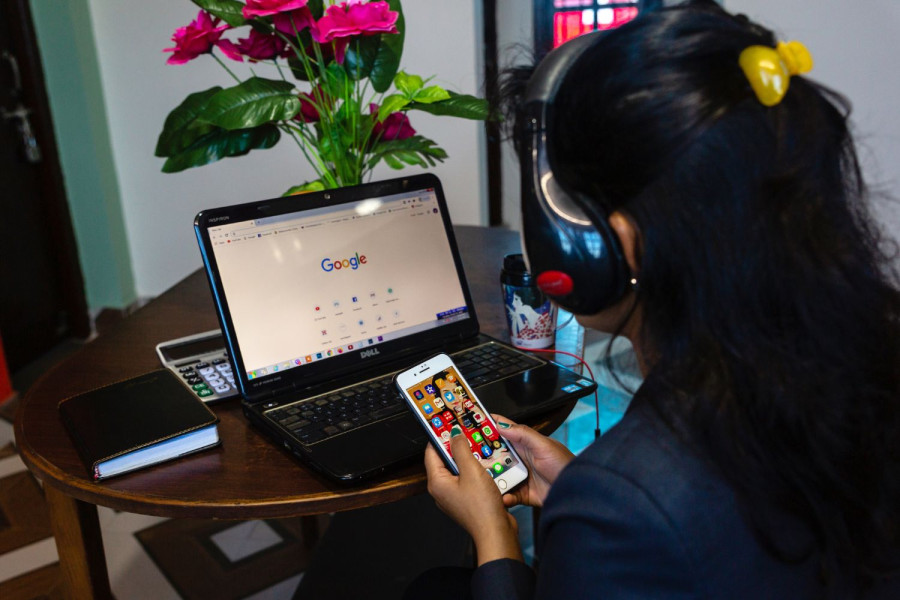
bookmark
Niraj Gautam
Published at : December 26, 2025
Updated at : December 26, 2025 08:19
The world labour movement has become stagnant. Having once been a potent influence that transformed the nature of work, guaranteed a certain degree of dignity to workers, and cast a curse on economic exploitation, it is now experiencing a silent yet deep crisis: The widening gap between the unionised workers of the 21st century and young people who have to rely on organised labour to secure their destiny. Young workers are no longer denying the ideals of fairness, equity or collectivism across countries and industries, but are becoming increasingly detached from old forms of labour institutions that are no longer representative of their experiences.
This increasing alienation must not be confused with apathy. Quite the contrary, the younger generation is nowadays one of the most politically and socially conscious generations in history. They care about inequality, insecurity at work, climate change, mental health and dignity at work. Their concern with justice has not been altered. What has altered are the forms in which they express justice.
A new generation of workers is currently being moulded through the presence of different generations working together. Both Baby Boomers and Generation X mostly joined an environment of stable and long-term work practices, which had trade unions as a solid defence against the rights of workers. Their modes of organisation were based on hierarchy, seniority and collective bargaining in formal places of work. The Millennials and the Generation Z, however, have matured in a completely different economic environment, one that is characterised by contractual employment, online platforms, job changeover and reduced employment security. To them, stability is the exception and not the rule.
This generation transformation has produced an apparent disjuncture between the conventional labour bodies and the realities of young employees. Whereas unions are traditionally run in a formalised manner, in the form of meetings and a long-term membership model, the modern youth have cherished flexibility, horizontal leadership and issue-based involvement. They have become used to quick communication, online involvement and malleable identities in the workplace. In situations where unions do not capture these realities, young workers see them as old-fashioned, irrelevant or not connected to their plight.
The core of this disconnection is the type of the modern labour market. The precarious jobs that young workers take up are often temporary jobs and non-firm jobs, such as gig employment, internships and informal jobs, and do not include any social protection or collective bargaining rights. Most of them experience chronic job insecurity, extended working hours, unpaid overtime and no delineation between their work and personal life. Stress, anxiety and burnout among the youth have increased due to the need to perform, make adjustments and be employable at all times.
All these structural difficulties are further complicated by the workplace cultures that tend to disregard the voices of the young. There is less mentorship, management styles are authoritarian, and recognition has made the young employees feel like they are disposable, as opposed to being valued. They feel generational bias in most instances, being considered young and inexperienced or disloyal, even though they are called on to perform more tasks. The environment this creates does not encourage trust and participation, which drives young employees even further out of the old labour places.
Nevertheless, one should not understand this detachment as impassivity. The youth are politically and socially sensitive nowadays, but their participation has new forms. The digital space has turned into a place of organisation, creation of awareness and intersectoral solidarity. The online campaigns concerning the rights of workers, mental health, gender equality and climate justice show that youth are highly engaged in the process of creating a better world. It is the strict forms that they rebuff because they do not portray transparency, inclusiveness and relevancy.
It is here that the future of the labour movement needs to be reinvented. Labour institutions need to shun nostalgia and adopt change to reach out to the young people once again. This renewal can be provided in terms of the five pillars of youth work: participation, empowerment, inclusion, learning and well-being. The young employees should not just be consulted but actively participate in the decision-making processes.
Even leadership needs to be reinvented. The modern generation reacts to leaders who are conversational, empathetic and inspirational, and not dictatorial. Rigid hierarchy is a distant tune compared with transformational leadership that is based on a vision, values and purpose. Another crucial aspect is transparent and ethical leadership since young employees are extremely sensitive towards favouritism, political interference and accountability. Once lost, trust is hard to be won.
In addition, unions need to respond to the realities that are of greatest concern to young workers: mental health, work-life balance, skill growth, career mobility and job security in non-standard workplaces. This requires new forms of organising digital platforms to engage, adaptable membership forms, issue-driven campaigns, and partnerships outside of the conventional working environments. Mentoring, training and leadership opportunities do not provide the social worker with the illusion of a caring gesture; it is an investment in the future of the labour movement.
Finally, the widening divide between young people and old-fashioned labour movements does not represent a failure of the generation, but a challenge to the institutions. Young people are not rejecting collective action; they are seeking spaces that align with their values, struggles and desires. Unless labour movements change, they will turn into the shadows of the past instead of the creators of the future.
The decision before the labour institutions is obvious. They may either stick to the old order and risk becoming obsolete over time, or they may open up to change by listening to the young and distributing power and reinventing solidarity in the face of a new world. It is not nostalgia which will shape the future of work, but those who are ready to adapt. In order to stay relevant, credible and powerful, the labour movements need to give the next generation not only a chance to take part but to take the lead.
Niraj Gautam
Gautam is an assistant professor at Lumbini Banijya Campus.





Most Read from Columns




Editor's Picks





E-PAPER | October 23, 2026

×