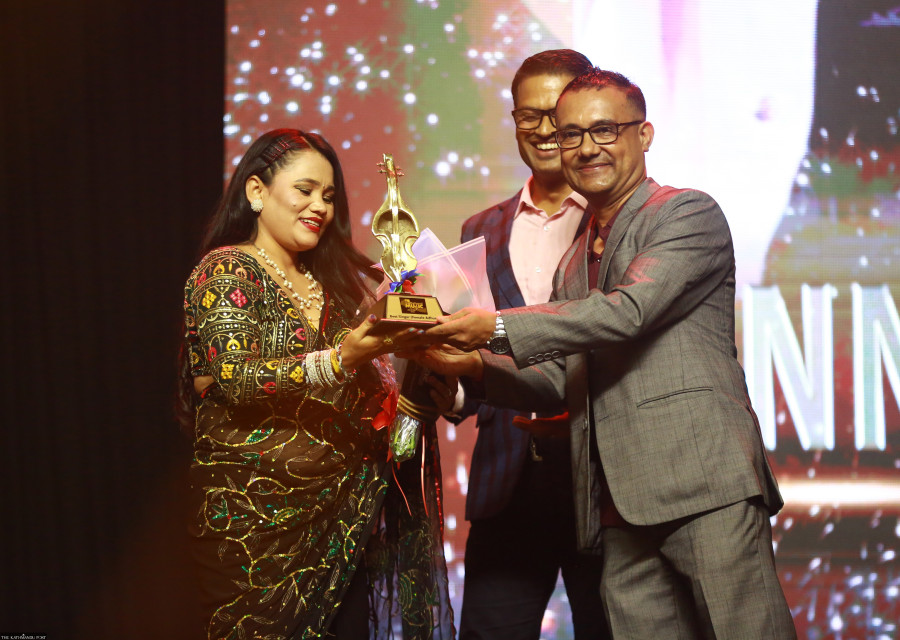
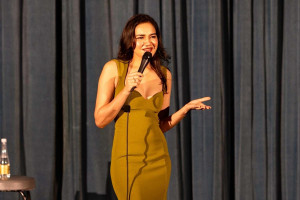
From folk music to playback singing, the women nominated at the ‘Xtreme Energy Drink Presents National Music Awards’ reflect on balancing artistry and visibility in an era of algorithms. Tika Prasain receives the Best Singer award for ‘Eh Jindagi’ (Adhunik female) in 2025. Post file photo
Awards have a way of simplifying stories. Years of rehearsals, discarded drafts and quiet persistence are distilled into a shortlist of names and, eventually, a trophy. For audiences, ‘Xtreme Energy Drink Presents National Music Awards’ celebrates the country’s biggest musical achievements. For the many women artists behind the nominations, however, they represent something more complex.
Behind every nominated song lies a different kind of labour. Some artists spend years refining their voices through riyaaz (practice). Others disappear into fictional characters for playback recordings, while many now balance songwriting with social media algorithms and the constant demand to remain visible.
For classical singer Salina BK, whose nomination for Best Playback Singer Female marks an important milestone in her career, the recognition is gratifying because it acknowledges years of discipline that remain largely invisible.
“They see the nomination,” she says, “But not the countless hours of riyaaz, learning, patience and hard work.”
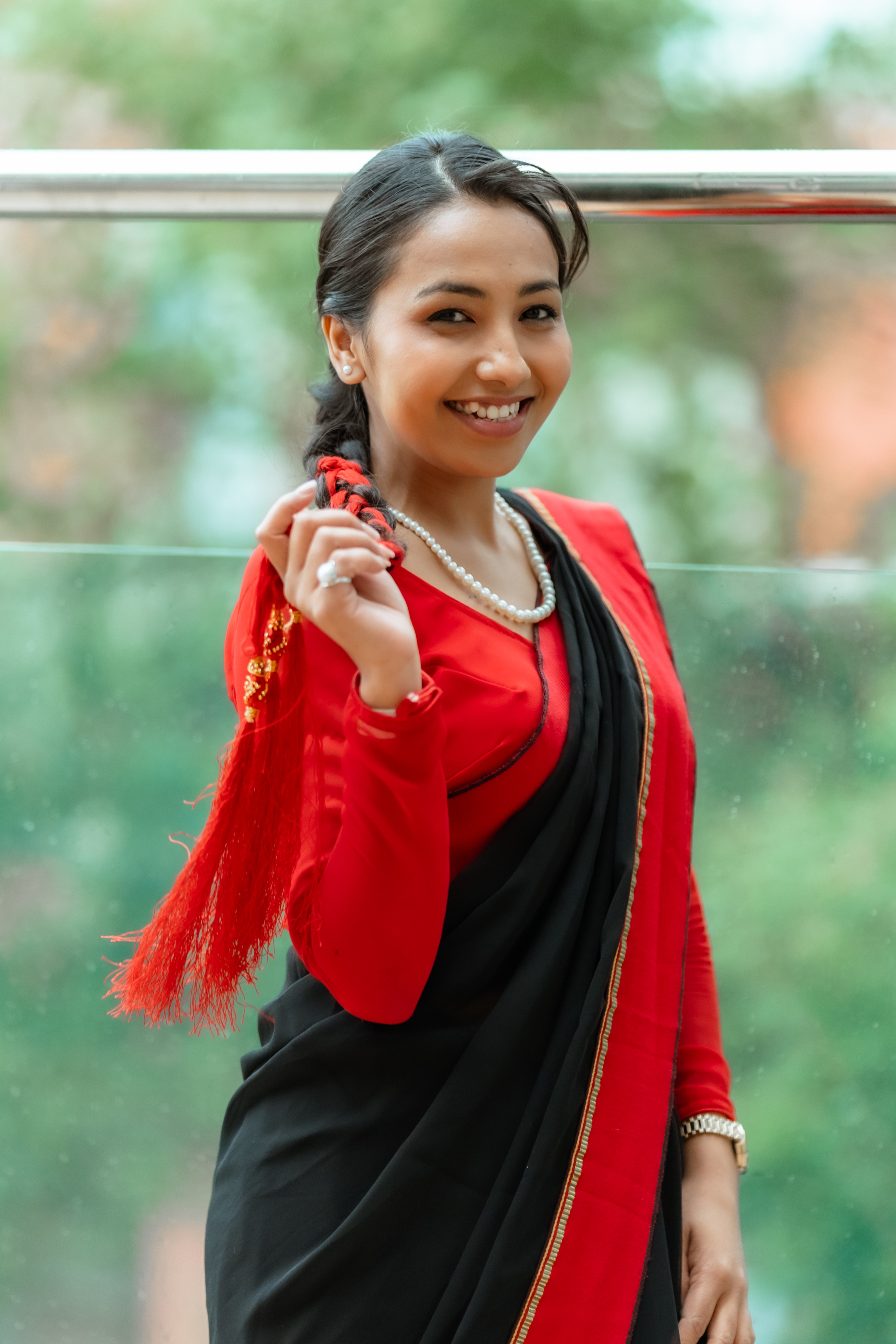
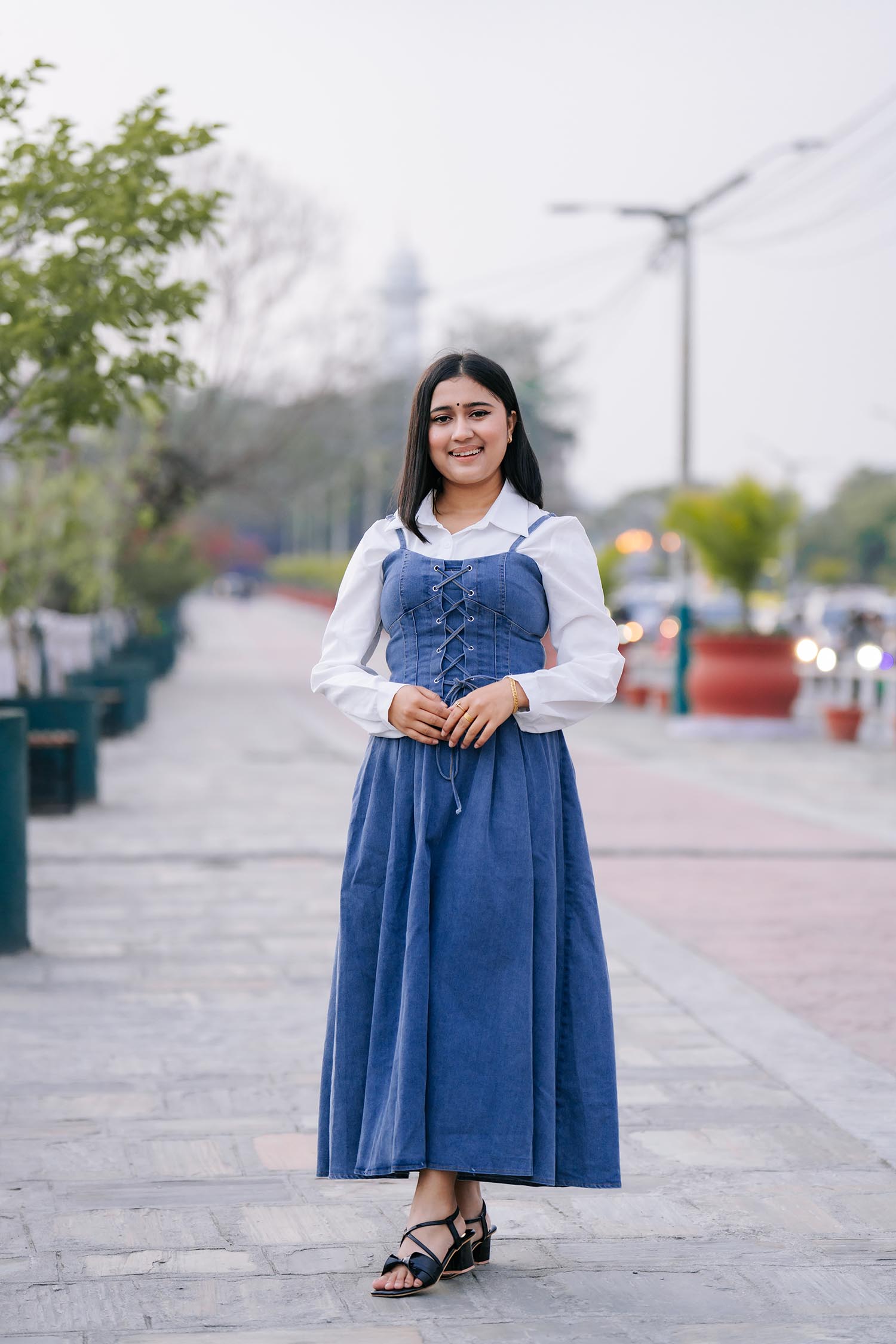
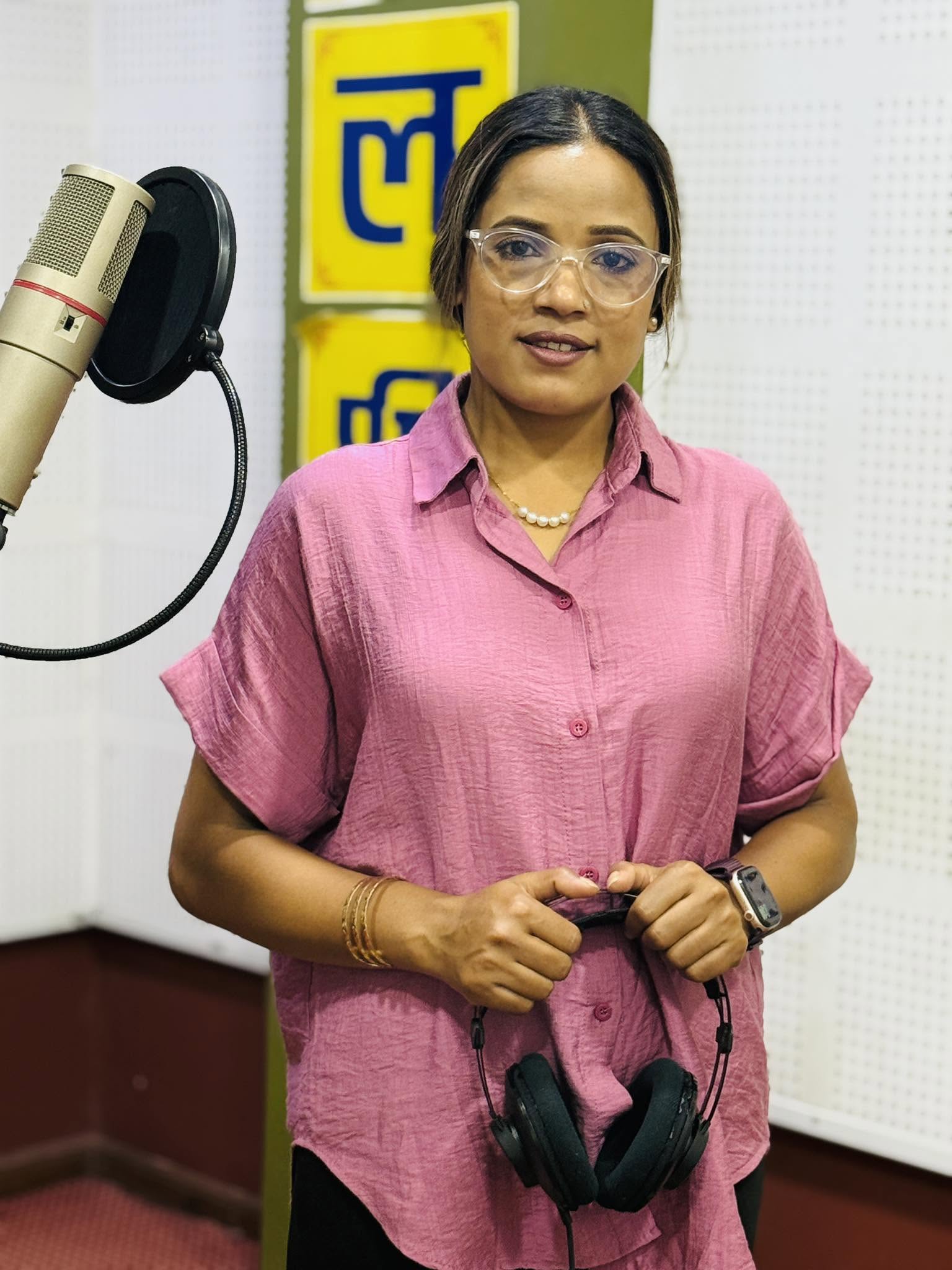
Salina BK
But invisible labour is not the same across the industry. The work behind a classical performance differs from playback recording, even if both culminate in the same applause.
For Rachana Rimal, who has been nominated in both the Best Playback Singer Female and Best Adhunik Singer Female categories, the two nominations recognise almost two different professions.
Modern songs allow her to express her own artistic identity. Playback singing demands empathy. Before recording, she studies the character and draws on her own memories to make the emotions believable.
“I stop thinking of it as someone else’s emotion,” she says. “Her tears and joy become mine.”
Rachana Rimal
For Rimal, success comes when audiences hear the singer and begin believing the character. The performance, then, is less about vocal ability than emotional translation.
Still, recognition may honour years of work, but it also captures a profession in transition. What it means to be a musician today is not what it meant a decade ago.
Today’s artists are expected to be performers, marketers, content creators and entrepreneurs, all while continuing to produce original music. The stage has expanded beyond concert halls and recording studios to phone screens, social media feeds and recommendation algorithms.
Few artists have witnessed that transformation as closely as Samriddhi Rai.
Having spent years studying music, Rai says one of the biggest changes she has seen is the rise of the singer-songwriter role. When she entered the industry, singers often depended on lyricists and music arrangers. Today, many young musicians write and compose their own work, giving them greater creative ownership over their music.
That freedom has come with new expectations.
Samriddhi Rai
“Writing and coming up with musical creations is an uphill task,” Rai says. “But in today’s world, musicians also have to keep up with the marketing of the song.”
“We are extroverts on stage,” she says. “But off-stage we like to be introverts.”
Rather than expecting musicians to master every aspect of online promotion themselves, Rai believes the industry should make better use of content creators and social media managers, allowing artists to focus on the work they do best: making music.
Where Rai speaks from the perspective of a musician adapting to new realities, veteran singer Kunti Moktan sees the same changes through the lens of an industry she has watched develop for decades.
Music, she says, has always evolved. New sounds replacing old ones are neither surprising nor necessarily a loss. What concerns her is the pace at which songs are now consumed.
She describes the difference as one between “lasting” music and “fasting” music.
There was a time, she says, when musicians hoped their songs would still be recognised decades later, played on the radio and sung across generations. Today, social media has shifted the focus towards views, trends and virality, encouraging artists to think about immediate attention as much as long-term resonance.
Yet Moktan resists romanticising the past. Social media, she says, has also made it easier for artists to earn a living through music, unlike previous generations, who often needed separate jobs.
Technology has expanded creative possibilities, but it has also introduced new questions about creativity itself. When the conversation turns to artificial intelligence, Rai says she welcomes AI as a tool for brainstorming creative work. But she draws a clear distinction between assistance and authorship.
“Fully AI-generated songs,” she says, “are butchering the art of music.”
Her concern extends beyond technology. If algorithms can imitate melodies and lyrics, where does originality reside?
For Rai, the answer remains in the lived experiences, emotions and vulnerabilities that shape a song long before it reaches a streaming platform.
‘Xtreme Energy Drink Presents National Music Awards’ may celebrate the year’s finest songs, but the conversations surrounding them reveal another challenge facing Nepali musicians: creating work that lasts in an era increasingly defined by what trends. Both Moktan and Rai are asking whether an industry moving faster can still make space for music that endures.
Still, if the ‘Xtreme Energy Drink Presents National Music Awards’ offers a snapshot of Nepali music today, they also invite another question: what will remain after this year’s trophies have been handed out?
For folk singer Shanta Rani Pariyar, being nominated for Best Lok Singer Female feels like years of hard work finally coming to fruition. But she sees it less as an end point than as a new responsibility.
Shanta Rani Pariyar
An artist, she says, cannot survive on one or two hit songs. The greater challenge is maintaining listeners’ trust long after the excitement surrounding a successful release fades. Recognition may open doors, but sustaining a career requires winning hearts again and again.
For Rachana Rimal, the most rewarding performance of the year was not necessarily the one that received the loudest applause. What mattered more was feeling that she had grown as an artist.
Recognition, each artist suggests, is meaningful only if it becomes motivation rather than a destination.
Salina BK also sees recognition not as confirmation that she has arrived, but as encouragement to keep learning and refining her craft.
Rai takes the idea one step further by questioning the very definition of success. “Success for me is absolute peace and happiness,” she says.
If Rai redefines success, Moktan expands the conversation even further. To legacy.
Every artist, she says, should ask themselves what they want to be remembered for decades from now. Quick fame may be tempting in an era driven by short-form videos and viral trends, but she believes musicians must also consider the impression their work will leave on future generations.




 24.27°C Kathmandu