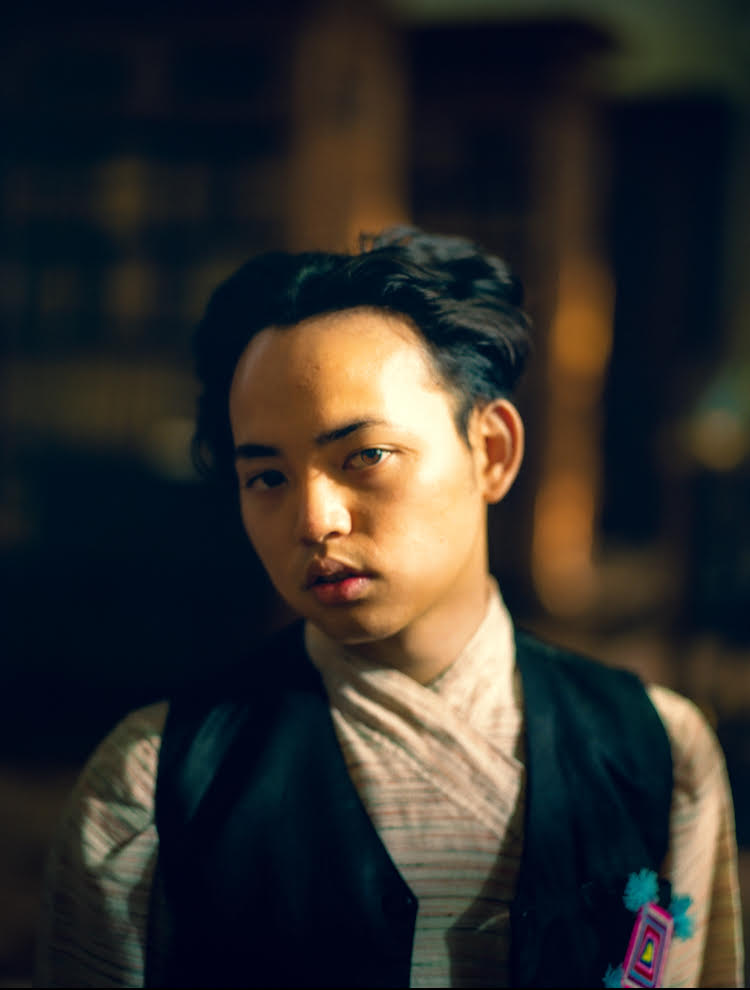
Poet/Assistant Professor, Mahendra Multiple Campus
To me, poetry is a voice that arises from the vocabulary of my imagination and life experiences. When I am moved by the pain of any creature and my heart trembles like an earthquake, when it dances in joy, when I plunge into the gulf of distress and anguish—all these converge into words and breath as a poem.
A poem is a breath that I exhale, extending my existence. It is the element that sends waves through my veins, assuring me that I am alive—that I exist and that I am vibrant. A poem is also a lever that lifts the poet from the depths of problems and showers her with the light of hope and joy. It sometimes surprises her with a voice that she hears in her own poems but cannot express in her conscious state.
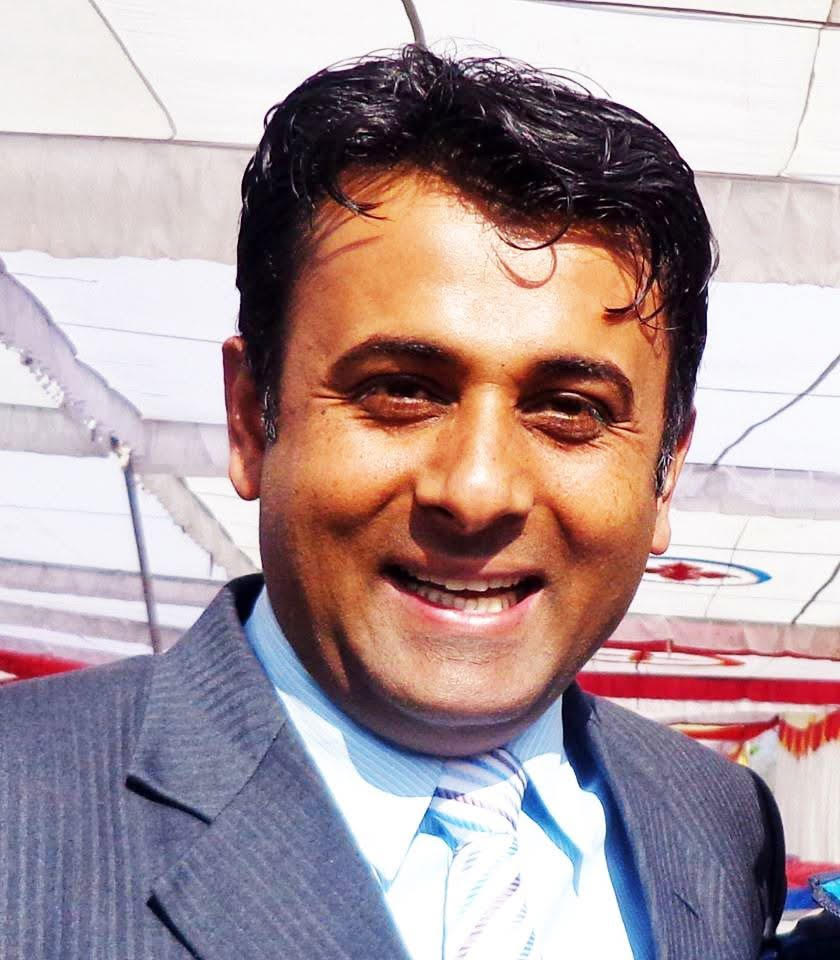
Mahesh Paudyal
Poet/Assistant Professor, Central Department of English, TU
Regarding what poetry is to me, I find myself close to Zen masters who believe in intuitive inventions rather than acquired cognitions. Poetry, for me, is a truthful observation of life that evolves from a deep moment of reflection. It brings to light a seemingly ordinary yet crucial fact that had thus far escaped human notice. Such observations occur as sudden flashes of light at unknown moments, such as when you are at work, travelling, or simply brooding about nothing. Poetry’s lines settle firmly in readers’ minds and emerge quietly in consciousness when a situation or life experience matches its context. Even if times, people and society change, poems remain resistant to change, carrying their same old essence.
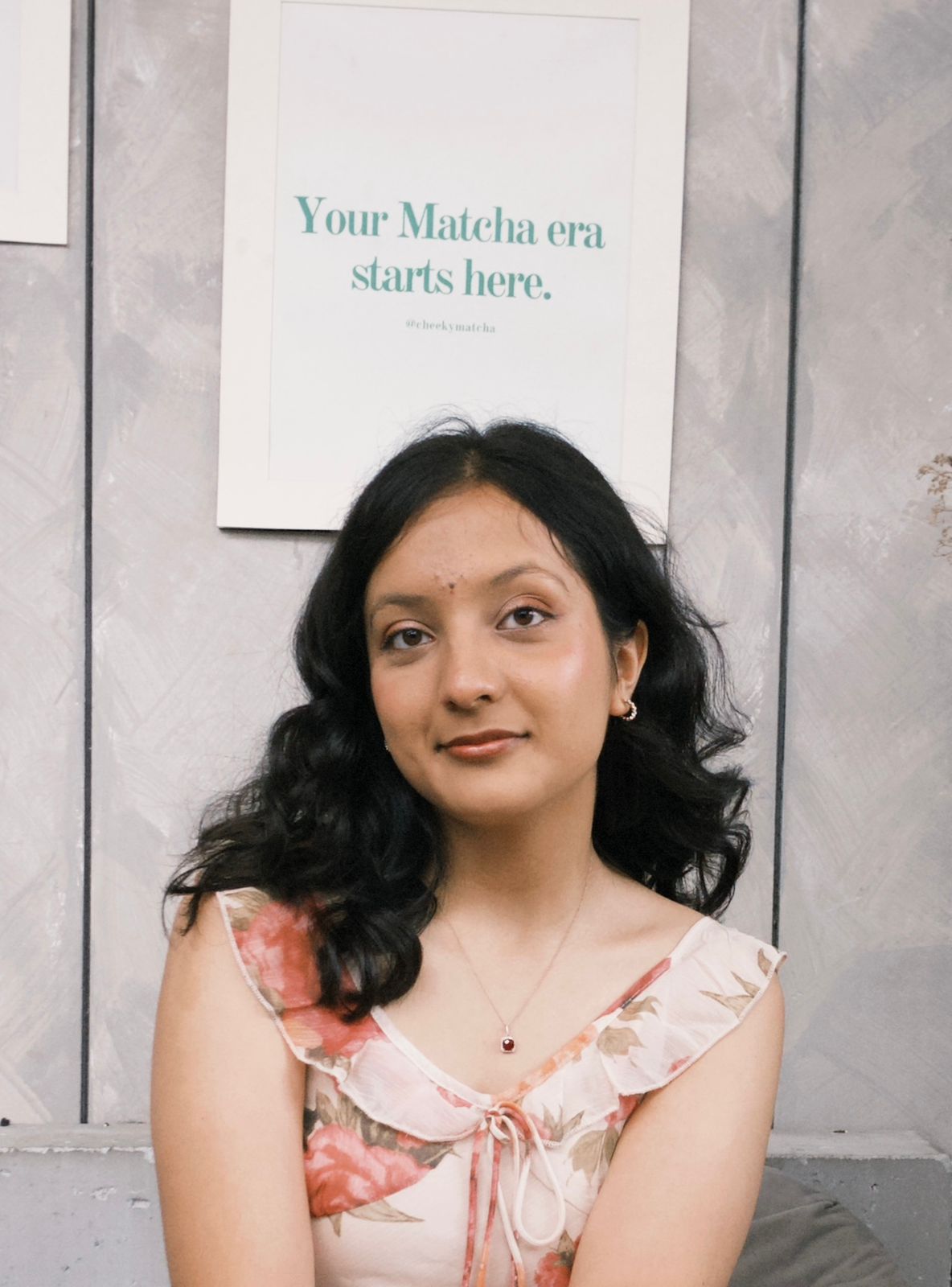
Shuvangi Khadka
Spoken word poet/writer
Poetry brings me closest to my feelings. The themes I explore through it are deeply personal, which makes the form itself feel intimate. It allows me to sit with emotions that are often difficult to articulate in everyday language and give them shape without forcing them into definite structures. What draws me most to poetry is its ability to say so much with so little. It doesn’t demand long explanations or complete clarity. Instead, it trusts the reader to meet it halfway. A few carefully chosen words can carry immense weight, holding layers of meaning.
I was initially sceptical about poetry on Instagram, questioning its depth. But I now see its value in making poetry more accessible and immediate. Of course, the quality varies, but perhaps that’s true of any form. What matters is whether the words find someone, resonate with them, and make them feel seen.
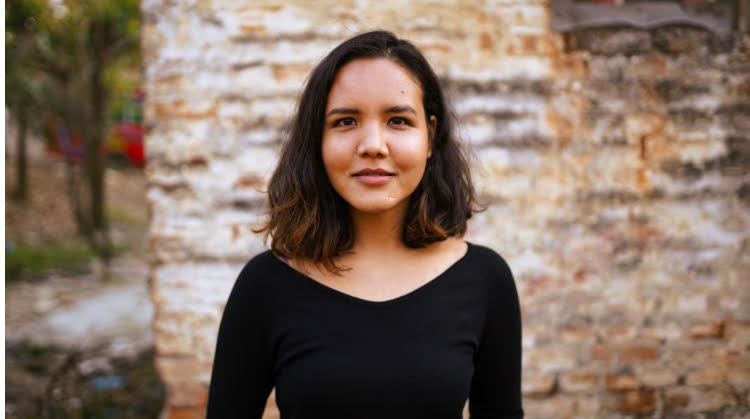
Mukahang Limbu
Poet
I’ve always loved the fact that ‘stanza’ means ‘room’ in Italian, and, for me, poetry is exactly that: a giant house with a bunch of different rooms. Some rooms are immaculate, not a speck of dust, with beautifully kept memories of the times you had a lot to laugh about.
Some rooms are cluttered and messy, filled with the fights with your parents, the men who let you down, and even the untidy yearning. But I can also flip it and let the beauty be messy, and the mess be translated into something so immaculate. Still, I’m the only authority, the sole interior designer! And if I end up travelling far from these rooms, falling in love with prose or dialogue, I know I can always come back to poetry and unload all my tiredness, my weariness, and my hopes. Poetry is truly one of life’s miracles.
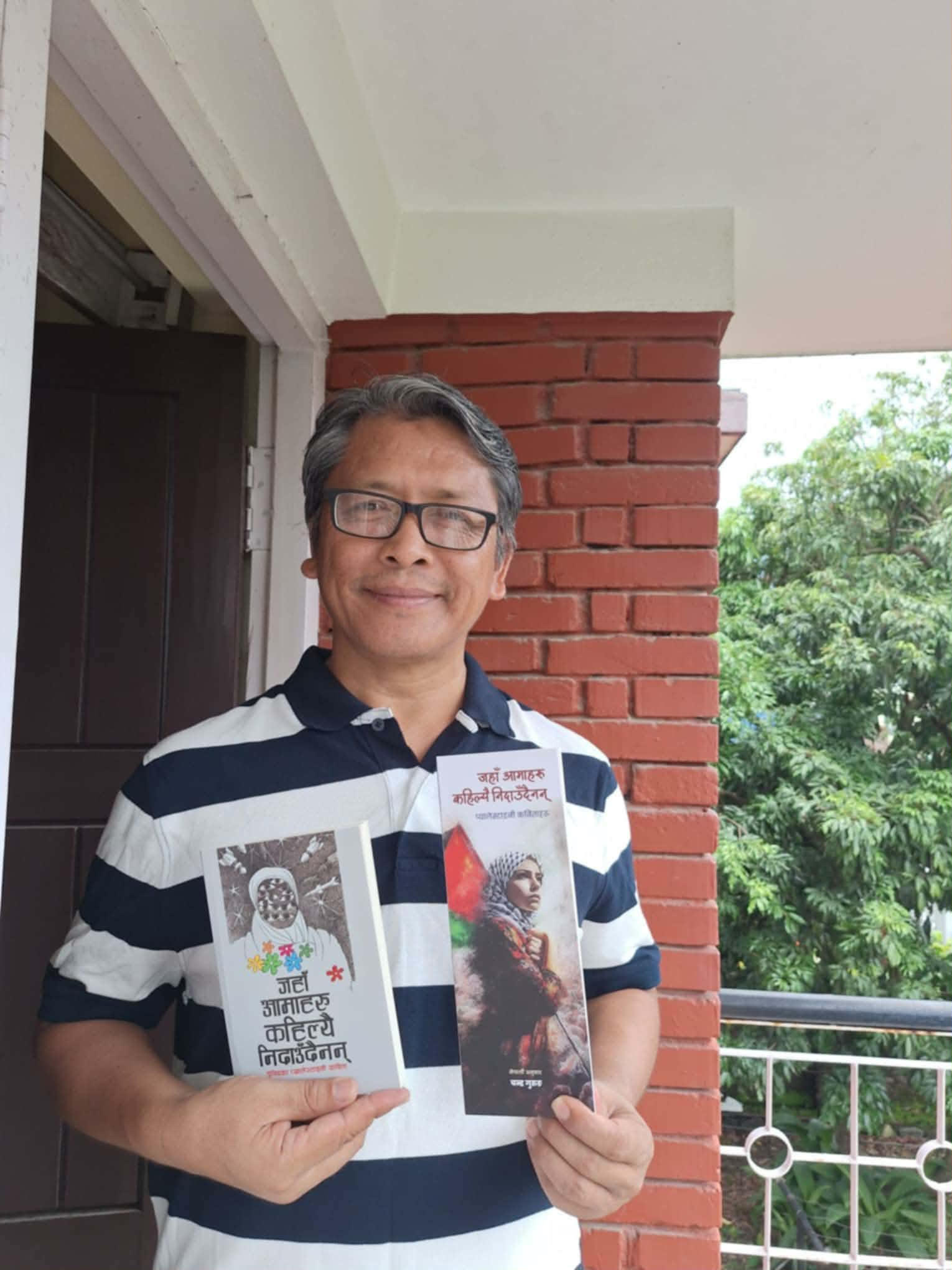
Chandra Gurung
Poet
To engage in poetry, whether reading it or writing it, is to practise an enriching attentiveness. To practise poetry is to pluck details from the surrounding world—to see things more clearly, to recognise the beauty inherent in our lives, to experience pain and happiness and to connect with others around us. Poetry operates on so many different levels of consciousness. Poetry gives meaning to our lives. As Marie Howe has said, poetry can help to remind us all that we are alive.
Poets observe the world closely around them. They offer insight and entertainment and help us measure our lives at a deeper, more meaningful level. Through their writing, poets add a new dimension to our existence. The role of the poet is to master language in ways that inspire us to experience something transcendent, useful and meaningful in our lives.
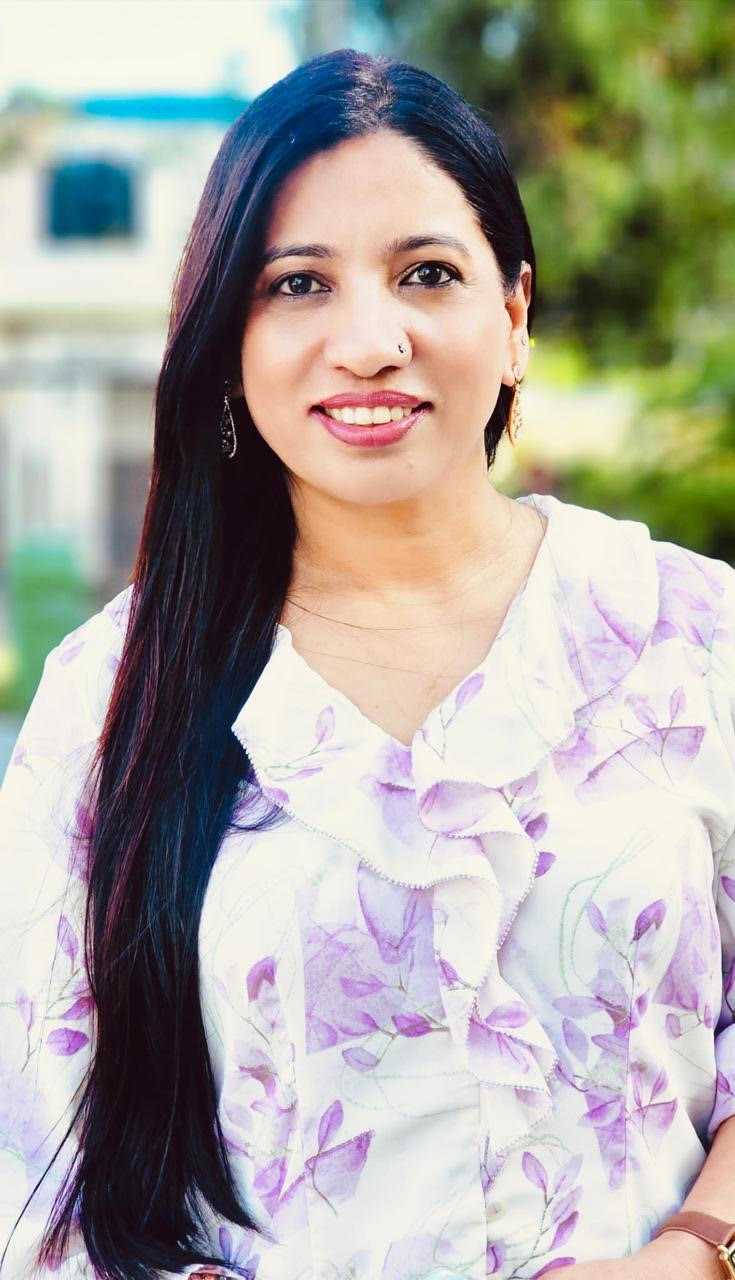
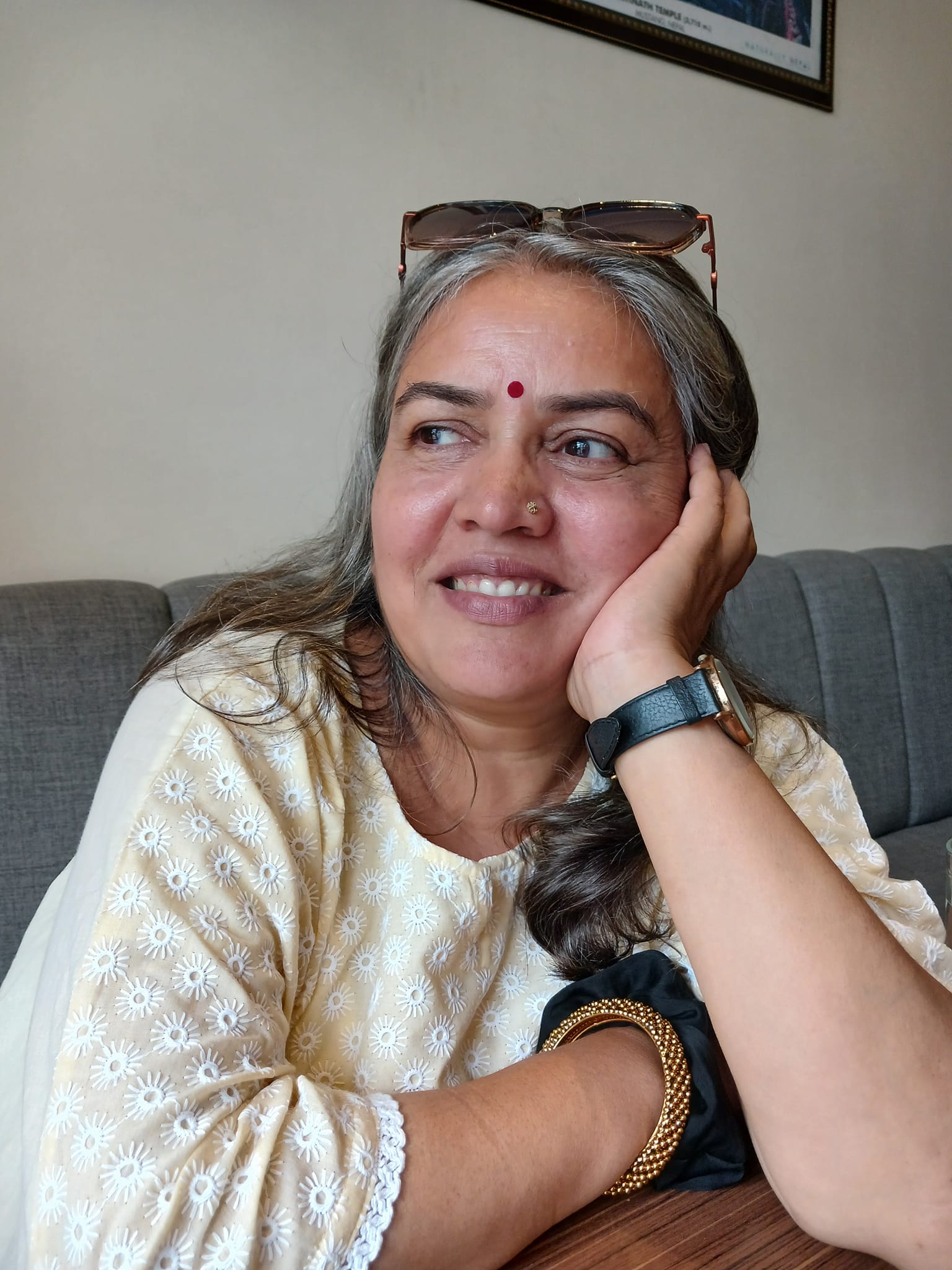
Bina Jha
Poet/ Sociologist
To me, poetry is like oxygen: it’s silent, unseen, and necessary; without it, life might exist, but it doesn’t really exist. Even when a body is whole and surrounded by everything the physical world has to offer, something inside of it becomes silent—still, far away, and nearly lifeless—without poetry or rhythm.
It is emotion, not words. It is the peaceful beauty of the human soul emerging, the gentle warmth of joy, and the light of hope in the dark. Poetry moves like a pulse beneath our skin, telling us that we are alive; it is feeling before language, imagination before explanation.
Poetry has a unique beauty that is felt rather than created. It holds the things we can’t always express: the delicate dreams we guard, the unsaid tragedies, and the secret pleasures. It just is; it doesn't pretend. Poetry is the direct voice of the soul; it is pure, unadulterated, and truthful; it is free from influence, fear, and shame. It is also a silent force—the ability to unite spirits; forge connections that transcend boundaries, language, and geography and allow hearts to recognise one another without ever coming into contact.
In its presence, we experience deeper emotions, breathe more deeply, and come to understand that life is felt rather than merely experienced.




 24.94°C Kathmandu