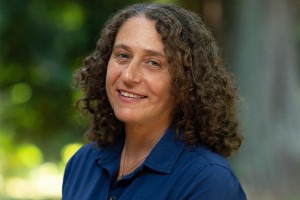
From personal memories to city streets, artist Bidhata KC turns everyday experiences into questions about identity, culture and society. The World Health Organization (WHO) also recognises that access to green and blue spaces can support mental and physical health. Shutterstock
From the windows of Bidhata KC’s studio, the waters of Pimbahal Pond glisten in the afternoon sun. Around it, cafes buzz with conversation, motorbikes pass through narrow streets, and young people gather in corners that have slowly turned this part of Patan into one of its liveliest urban pockets.
Visual artist KC likes it this way.
“I don’t want to work in isolation,” she says, glancing towards the street outside. “I like being close to people. When you hear the city, you feel connected.”
Her studio sits right in the middle of this evolving neighbourhood. Pimbahal has recently become a magnet for young creatives and urban dwellers, yet the area still carries the weight of history in its brick walls and old courtyards. For KC, that mix of past and present feels familiar. It mirrors the questions she has been exploring through art for years.
“Everything here feels layered,” KC says. “The past is still present.”
‘I don’t want to work in isolation,’ she says, glancing towards the street outside. ‘I like being close to people. When you hear the city, you feel connected.’
KC’s work often returns to that idea of layers. Identity, memory, culture, and everyday experience recur throughout her paintings and installations. Some works begin with travel, others with personal stories. Likewise, some grow out of social observations that linger long after the moment has passed.
But her path into art did not begin with a childhood dream. “I was not one of those children who knew they would become an artist,” KC says with a smile. “I learned it step by step.”
After completing SEE, KC had a short break before deciding what to study next. During those months, she spent time sketching cartoon characters. Her father noticed the drawings and suggested she try art school.
“I did not even know such colleges existed,” KC says. “My father was the one who encouraged me.”
The entrance exam felt confusing at first. She passed the exam and began studying fine arts. It was the beginning of a journey that would slowly shape her life. Her family had no connection to art, yet they remained supportive. That encouragement mattered at a time when pursuing art felt uncertain.
“I did not know whether I would earn money or build a career,” KC says. “But my family trusted my decision.”
Later, she completed a master’s degree in sociology at Tribhuvan University. The discipline gave her a deeper way of thinking about society and culture. “Sociology helped me understand how social structures function,” KC explains. “That perspective eventually entered my art.”
The early years after graduation were difficult. Kathmandu’s art scene was small, and opportunities were limited. Artists often had to organise exhibitions themselves, raise funds, and find their own spaces. “It was not easy at all,” KC says. “We had to do everything on our own.”
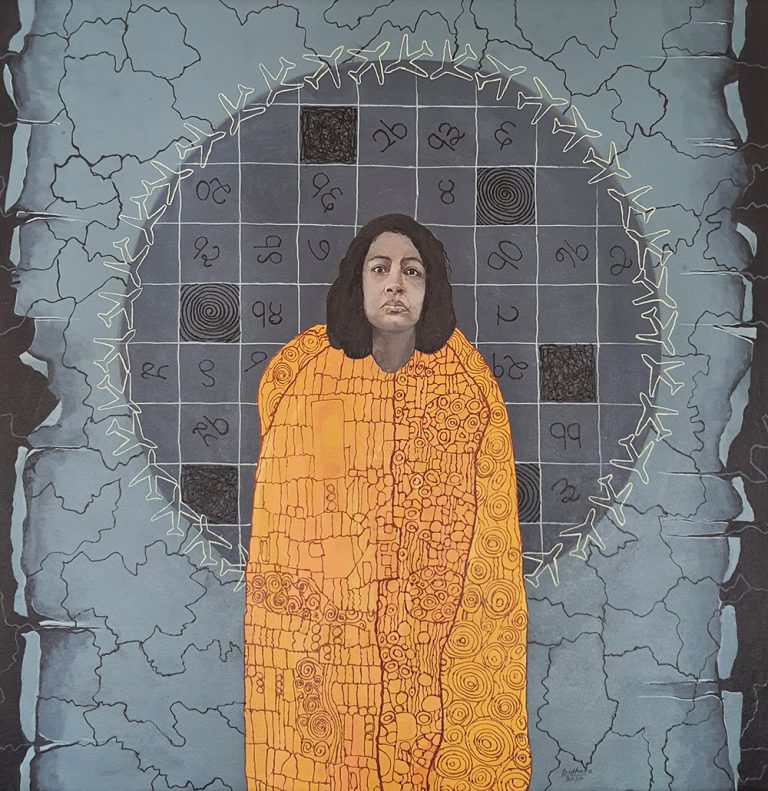
‘Ekkais Din’ Courtesy of Bidhata KC
During that period, she also began teaching art at an A-level programme. Teaching, she says, strengthened her relationship with the discipline. “When you teach, you have to understand things more clearly,” KC says. “At the same time, you continue learning.”
Her work with Buddha Gallery also became a turning point. Managing exhibitions and interacting with artists exposed her to different practices and ideas.
“That space helped me reconnect with art,” KC says. “I could observe how artists think and how exhibitions are built.” Mentors played an important role in shaping her direction. One senior artist once told her that although her work was strong, it still carried traces of other artists’ influence.
“He told me I needed to find my own identity,” KC recalls. “That comment stayed with me.”
From that moment, she began searching more deliberately for a personal visual language. Questions about identity, culture and belonging gradually entered her work. Travel has also played a significant role in this search. Residencies and workshops in countries such as Korea, Austria and the US exposed her to different artistic environments.
“Art has given me the opportunity to explore the world,” KC says. “At the same time, travelling makes you explore yourself.”
Her most recent residency took her to Islamabad, where she spent a month at the Pakistan National Council of the Arts as part of a South Asian artists programme organised by Pakistan’s Ministry of Foreign Affairs. The experience, she says, allowed her to see the region from a different perspective.
“I had never been to Pakistan before,” KC says. “So I was very curious about what I would discover there.”
Growing up in Nepal, much of what she knew about Pakistan came from television and the news. Arriving there, however, felt different from the image she had formed over the years.
During the residency, she visited several cities and spent time observing everyday life, architecture and cultural spaces. Those observations gradually began shaping ideas for new work.
She describes the experience as both analytical and personal. Each location offered visual cues, social interactions and cultural textures that later fed into her creative process.
“You try to understand what the place means to you,” she says. “Then you think about how that experience can transform into art.” The residency also reminded her how art can bridge geographical and cultural boundaries.
“When you meet artists from different countries, you realise that the struggles and questions are very similar,” KC says. “That connection is very powerful.”
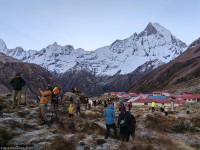
Places often leave subtle impressions on her work. When she travelled to Mustang, for example, the architecture fascinated her. “The houses there feel like they grow out of the earth,” KC says. “They tell the story of the culture and the people.”
Courtesy of Bidhata KC
Likewise, old structures in Kathmandu continue to inspire her visual language. She is drawn to weathered walls, temples and architectural fragments that carry traces of time. “The older something becomes, the more stories it holds,” KC says.
Some works emerge from deeply personal experiences. During the Covid pandemic, KC returned to Nepal after cutting short an art residency in Vienna, Austria. She spent weeks in isolation, uncertain about the unfolding crisis.
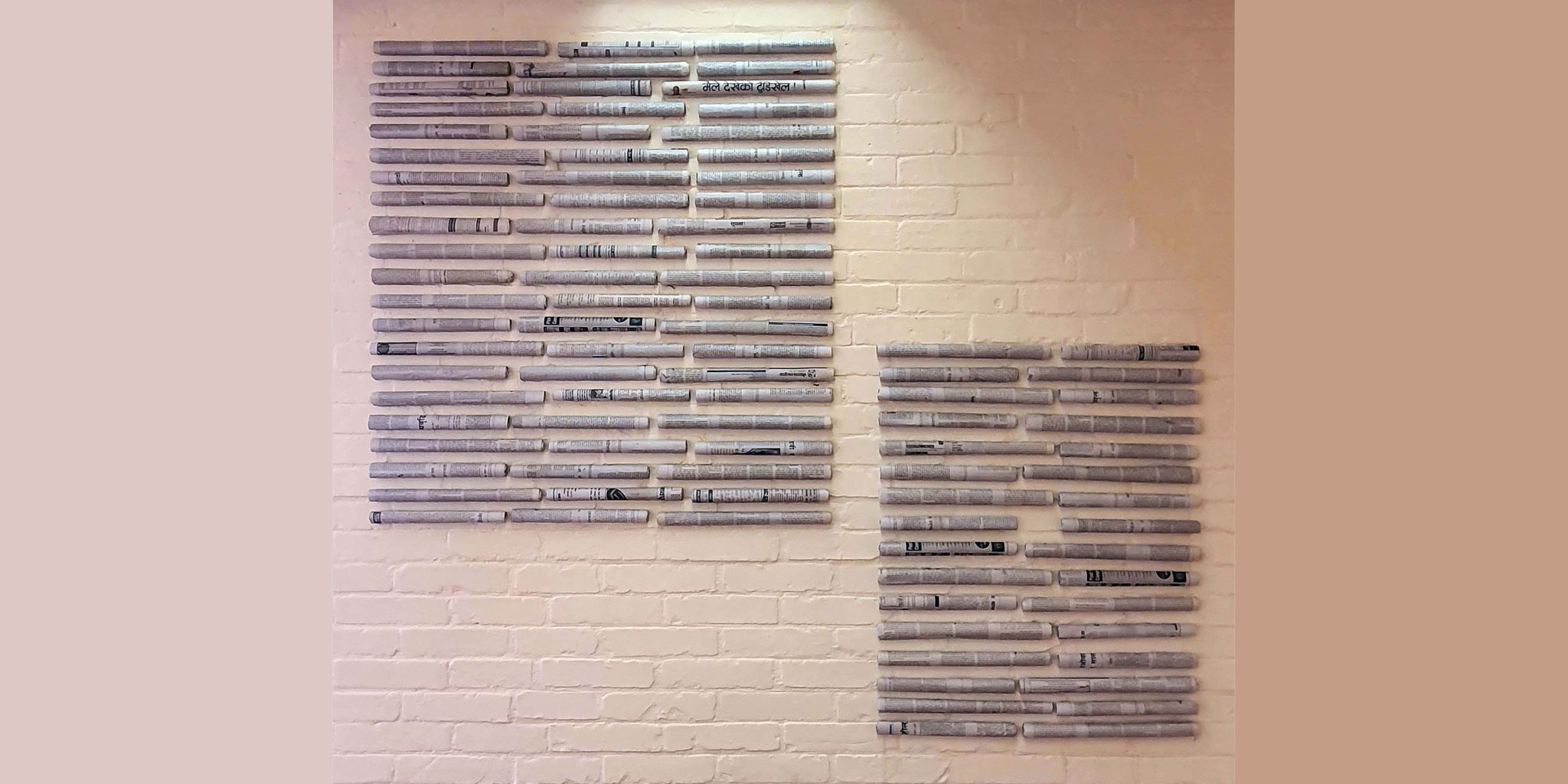
“I stayed in my room and watched the world through the window,” she says. That period led to the artwork ‘Ekkais Din’, which reflected the emotional confusion and loneliness of those days. Another installation titled ‘Powerless Power’ used tightly rolled newspapers that had accumulated at home during lockdown.
“My father used to read the newspaper every morning,” KC says. “But during Covid, we stopped touching them because we were afraid.”
The newspapers remained physically present yet carried no information or meaning. That shift fascinated her. “They were powerful objects before,” KC explains. “Suddenly, they became useless paper.”
Similarly, her installation ‘My Left is Right’ grew out of an intensely personal moment after her father’s death. While performing funeral rituals, she was told that sacred acts must be done with the right hand. KC, however, is left-handed. “That moment affected me deeply,” she says. “Why should one hand be pure and the other impure?”
The experience pushed her to reflect on cultural norms and gender expectations. “My left is also right,” KC says. “Both in the sense of correctness and identity.”
Today, KC continues to balance several roles. She teaches at the Master of Fine Arts programme at Tribhuvan University and works as a curator with the Contemporary Art of Nepal Foundation. Yet her studio remains the place where ideas slowly take form.
For KC, art is less about producing objects and more about asking questions. “Art allows me to observe life more deeply,” she says.
Sanskriti Pokharel, a former reporter and sub-editor at the Post, is a final-year student of Journalism, Mass Communication, and English Literature at St. Xavier's College, with experience in media, research, and communication.




 15.41°C Kathmandu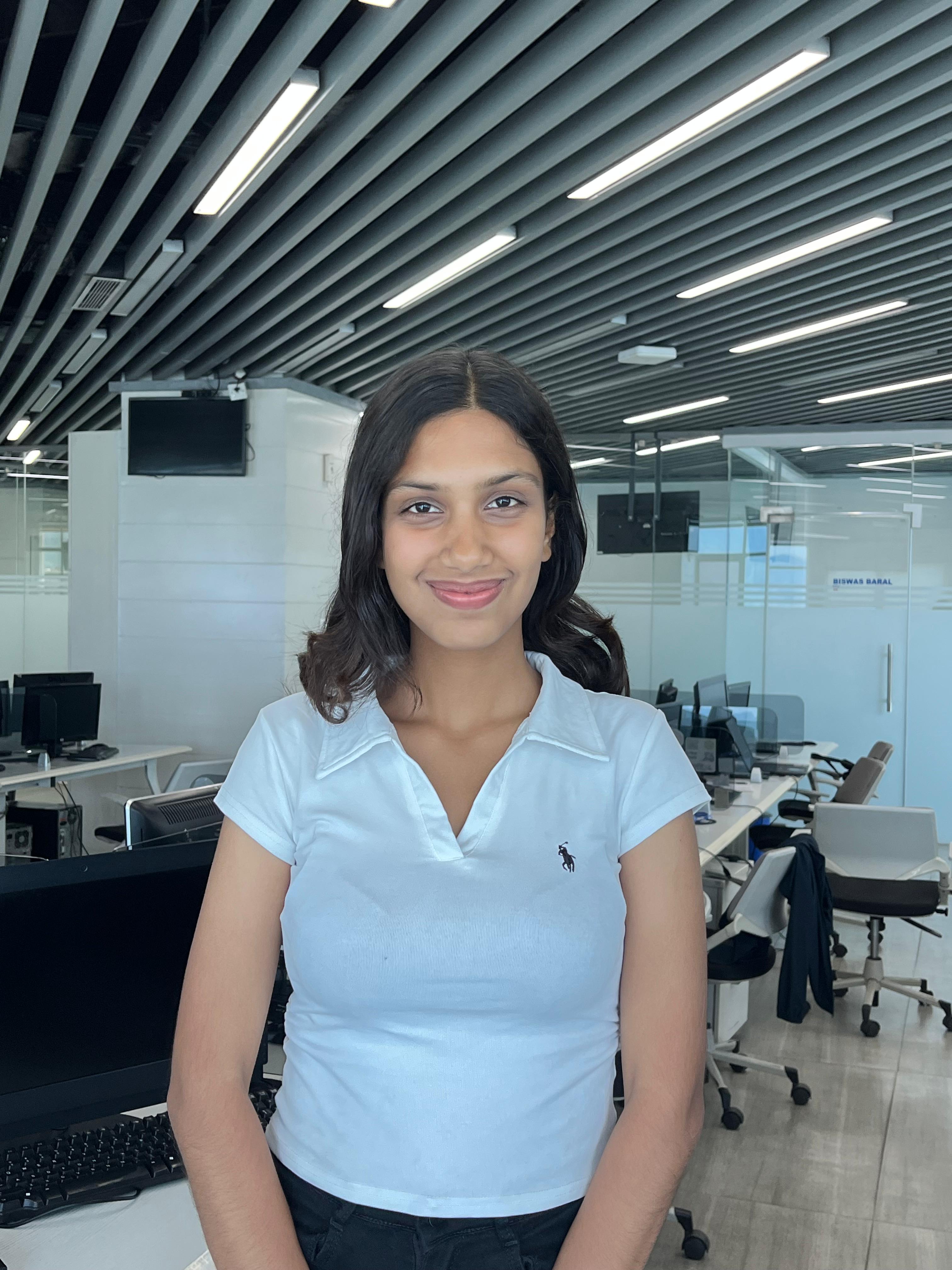
.jpg&w=900&height=601)
.jpg)