Kamal Rana was born in 1928 in Tansen, Palpa district of Nepal, into a family closely connected with Nepal’s historical elite. Her father was Raja Tarak Bahadur Shah, and her mother was Madan Dibyashori Shah—a lineage that tied her to both aristocratic responsibility and national history. She passed away recently on February 19, 2026.
Growing up in a culturally rich and politically aware household, Kamal Rana experienced early exposure to public service and governance, shaping her future path into activism and politics, at a time when few women had formal roles in public life.
Though details about her early childhood are hard to find, it is clear that she benefited from educational opportunities that were rare for women in Nepal in the early 20th century, allowing her to later engage deeply with social and political issues.
Kamal Rana pursued higher education at a time when Nepali women’s participation in formal academics was just beginning to emerge. She completed intermediate education and went on to earn a Master’s degree in Political Science from Tribhuvan University. Her education provided her with intellectual grounding in governance, law, public administration, and political theory—skills she would later apply in her public career.
During her student years and early professional life, she combined academic study with grassroots social work, reflecting her commitment to both intellectual rigour and community engagement.
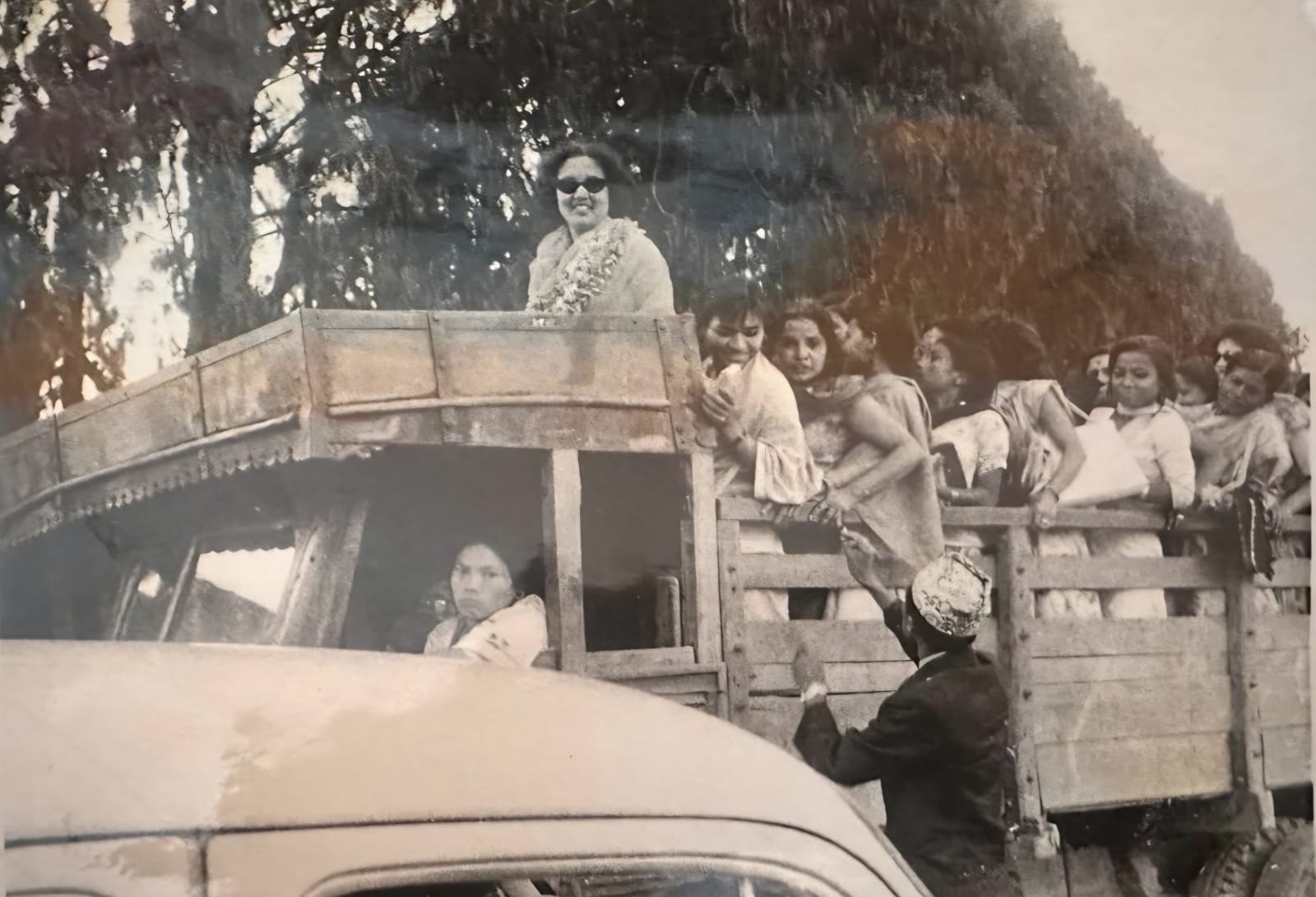
Before entering formal politics, Kamal Rana was deeply engaged in women’s development and volunteer work. In 1952, she established the Women’s Volunteer Services, an organisation that mobilised women for community welfare and public service activities. This initiative marked her early commitment to gender inclusion at a time when women’s social mobilisation was still nascent in Nepal.
In the same year, she was appointed Vice‑Chair of the National Assembly (then an advisory body), becoming one of the first women to hold such a position in Nepal’s political structure. Her leadership within this women‑focused organisation demonstrated her ability to navigate both civic engagement and institutional governance.
Her early work also involved participation in national health efforts, first‑aid training, and community development, reflecting a blend of social service and political consciousness.
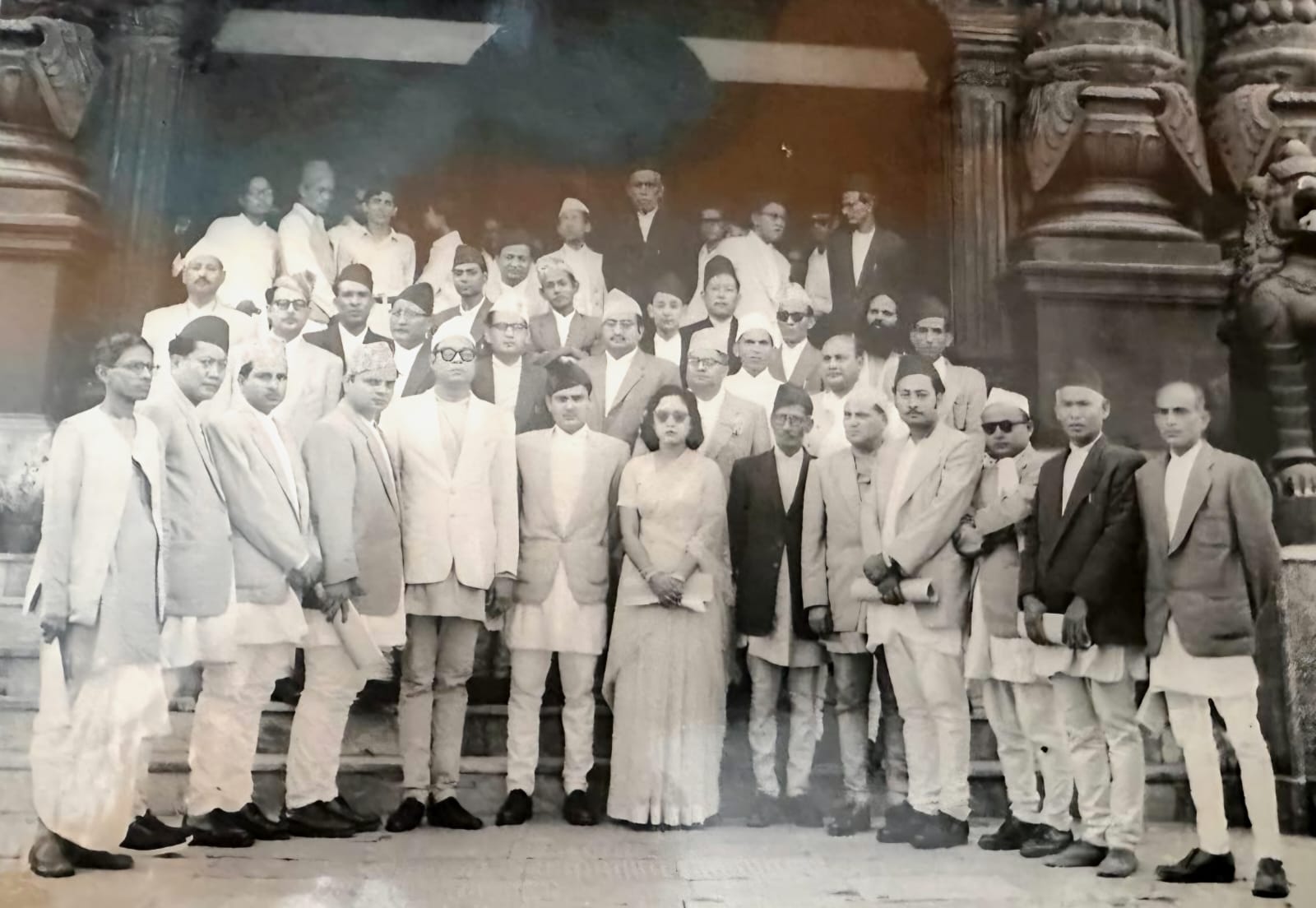
With the introduction of a constitution in 1959 and the creation of Nepal’s first bicameral parliament, Kamal Rana made history by becoming one of the first female members of the national legislature. King Mahendra appointed her to the Maha Sabha (the upper house or Senate)—a landmark moment for women’s representation in Nepali politics. At the same time, Dwarika Devi Thakurani became the first woman elected to the House of Representatives.
Her appointment was a watershed moment: for the first time, women were not only present in the legislative process but were being recognised for leadership at the national level. This appointment positioned Kamal as a role model for future generations of women leaders in Nepal.
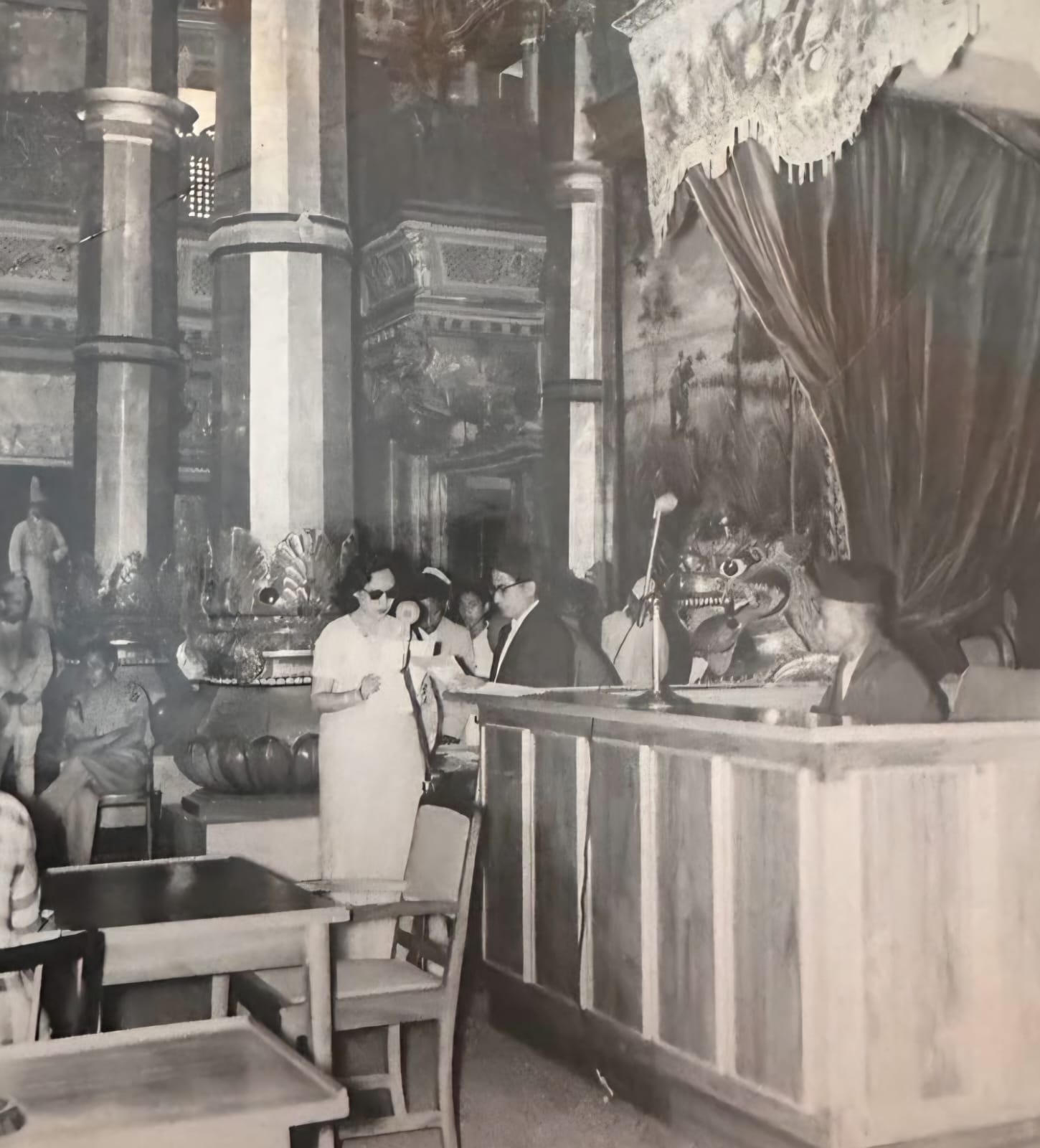
In July 1959, Kamal Rana was elected chair of the Maha Sabha, making her the first woman to lead a parliamentary house in Nepal’s history. Her role as chair was not merely ceremonial but involved managing legislative procedures, guiding debates, and helping shape the early frameworks of Nepal’s parliamentary democracy.
Her leadership during this formative period helped set precedents for women’s participation in public decision‑making and opened doors for others to pursue public office. On account of her age and status at the time, she also faced opposition and critique—yet overcame it with political strength and public support.
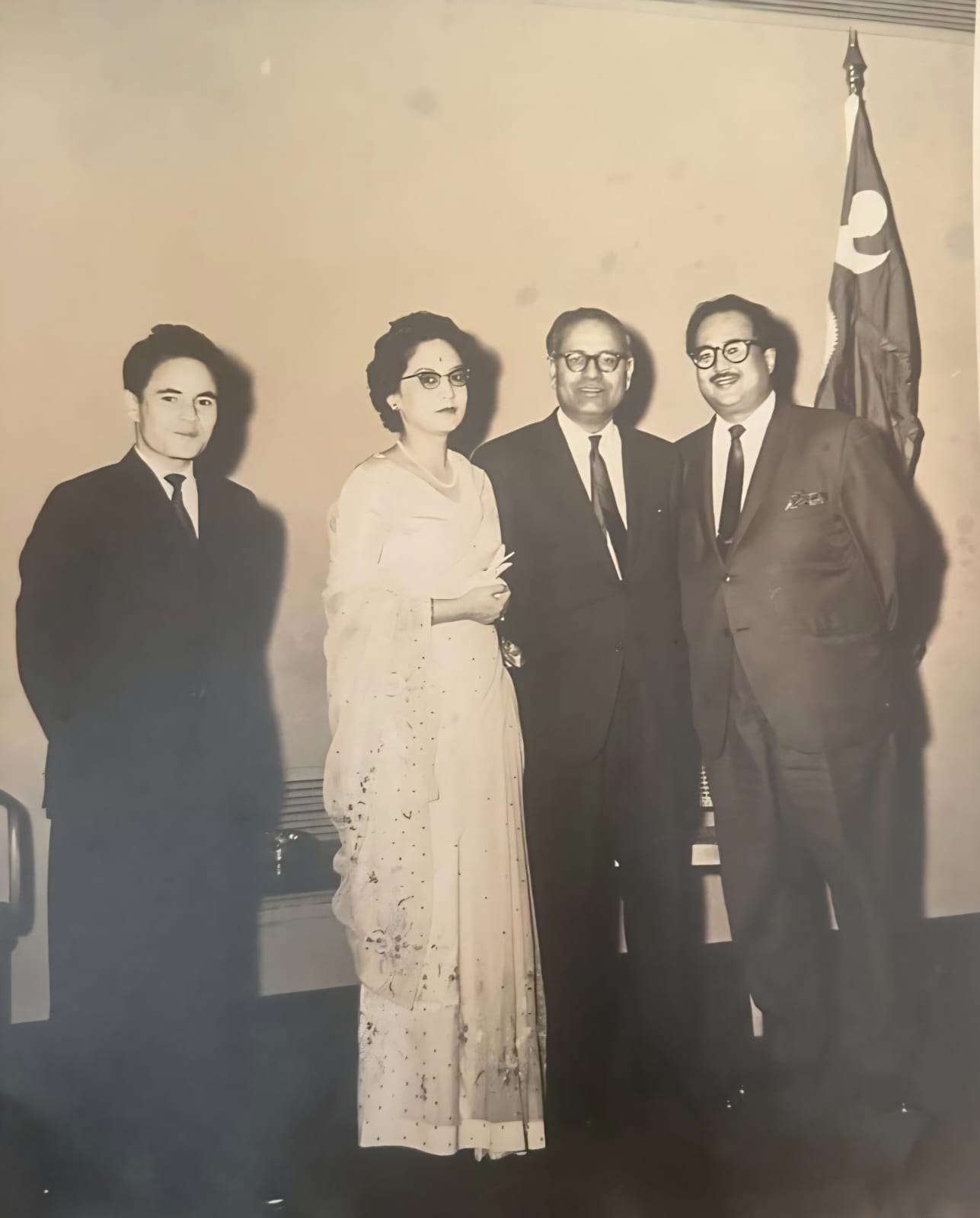
Kamal Rana’s contributions extended beyond Nepal. In 1962, she served as a delegate to the United Nations General Assembly, representing Nepal on the global stage and engaging in substantive discussions about international cooperation and development.
Between 1963 and 1965, she was also a member of the United Nations Commission on the Status of Women (UN CSW), reflecting her esteemed reputation in women’s rights and global policy dialogues. Her participation in the Commission helped bring Nepali perspectives into international frameworks focused on gender equality and women’s empowerment.
After her tenure in the Maha Sabha, Kamal Rana remained active in Nepal’s evolving political landscape. She served in the Rastriya Panchayat, the national legislature under the partyless Panchayat system, playing a consistent role in governance and policy deliberation.
Following the 1980 national referendum on governance, she was appointed by King Birendra to the Constitution Reform Recommendation Commission (CRRC)—an eleven‑member body tasked with suggesting constitutional reforms during a crucial transition in Nepal’s political system. This further demonstrated her enduring influence and expertise in national policy.
Through these roles, she remained a respected voice in shaping national direction—regardless of shifting political systems—and cemented her legacy as a bridge between older governance structures and modern democratic engagement.
Kamal Rana also championed women’s rights within the legislative arena. One of the notable efforts attributed to her was the drafting and presentation of a Special Marriage Bill to address issues such as marriage age, polygamy, and legal recognition—a progressive initiative for its time. Unfortunately, this bill did not reach public discussion before parliament dissolved.
Her advocacy in this area demonstrated her lifelong commitment to social reform and gender equality—not only by participating in governance but also by seeking legislative change that would have a meaningful impact on women’s lives.
Her influence extended to international diplomacy, national institutional reforms, and pioneering legislative participation. Above all, she stands as a pioneering woman in Nepali politics—the first to hold leadership positions within parliament and the first to represent Nepali women at global fora.
Kamal Rana’s personal life was marked by both achievement and tragedy. She married Meen Shumsher JB Rana, an army general, aligning her deeply with Nepal’s traditional elite and reinforcing her public profile.
She experienced personal heartbreak when her only son, Anoop Shumsher Rana, passed away suddenly—a loss that had a profound emotional impact and was noted in later autobiographical reflections.
In her later years (as of reports in the early 2020s), she devoted time to spiritual reflection and community engagement, while remaining respected as a trailblazer in Nepal’s political history. Her health in recent years has been reported as frail due to age, yet her contributions continue to be remembered in discussions of women’s leadership in Nepal.
Kamal Rana’s life spans nearly a century of Nepali history—from a time before formal parliamentary structures to modern democratic frameworks. Through cultural barriers, social expectations, and political transformations, she consistently championed gender inclusion, participated at the highest levels of legislative leadership, and brought Nepali perspectives to international platforms.
Her story is not just a political biography but a testament to resilience, public service, and visionary leadership — inspiring future generations to continue advancing women’s rights and participatory governance in Nepal.




 14.81°C Kathmandu