At BIA Institute Nepal, education, art, and vocational training are helping people with disabilities regain confidence and a sense of belonging. A key part of the Institute’s outreach work is its art and handicraft exhibitions. Photos: Courtesy of BIA
At BIA Institute Nepal, change often happens quietly, but is deeply felt. Since its founding on August 27, 2014, the institute has grown from a small grassroots initiative into a community that nurtures empowerment, inclusion, and opportunity. Its impact isn’t measured through campaigns or publicity—it shows in everyday moments: a child returning to school, a man reclaiming his role as his family’s provider, or an artist selling her first painting.
BIA has developed programmes in education, vocational training, psychosocial support, and community development to help people with disabilities overcome isolation caused by poverty, limited access to quality medical care, and deep-rooted stigma. Many people with disabilities still face barriers to education and employment. Over time, this exclusion can lead them to internalise society’s message—that they are a burden to others.
Gokarna Dhungana, managing director at BIA, explains how the Institute views disability as an opportunity. “We do not see disability as a barrier,” he says. “Rather, we believe disability should be viewed as a condition requiring support, understanding, and opportunity. When we give our students the chance to develop and grow, they are able to redefine their lives in the best way possible.”
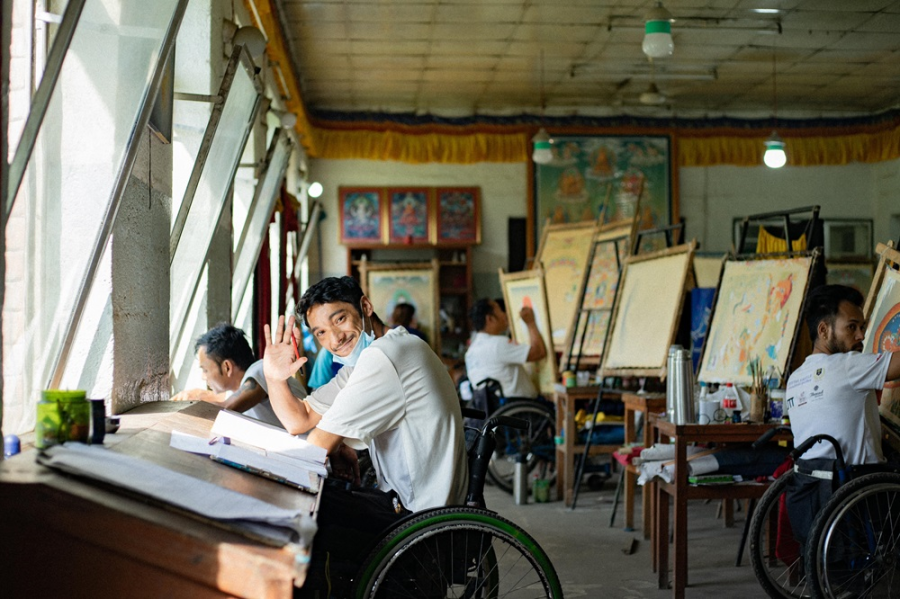
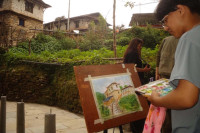
At BIA, students participate in various classes and workshops focused on creativity, such as painting and Thangka art. Participants also practice making incense sticks, developing patience and precision through the process. Fabric scraps are made into handmade bags, and beads are sewn into clothes.
BIA has been using recycled materials to create unique patterns and designs on clothes, demonstrating creativity and craftsmanship. They hold multiple exhibitions throughout the year to display and sell these products, providing participants with the opportunity to generate income and build self-esteem by contributing financially to their families.
Dhungana states that employment is deeply tied to emotional well-being, “Income is important, but confidence is transformative. When participants see that their work is appreciated, they begin to see themselves differently.”
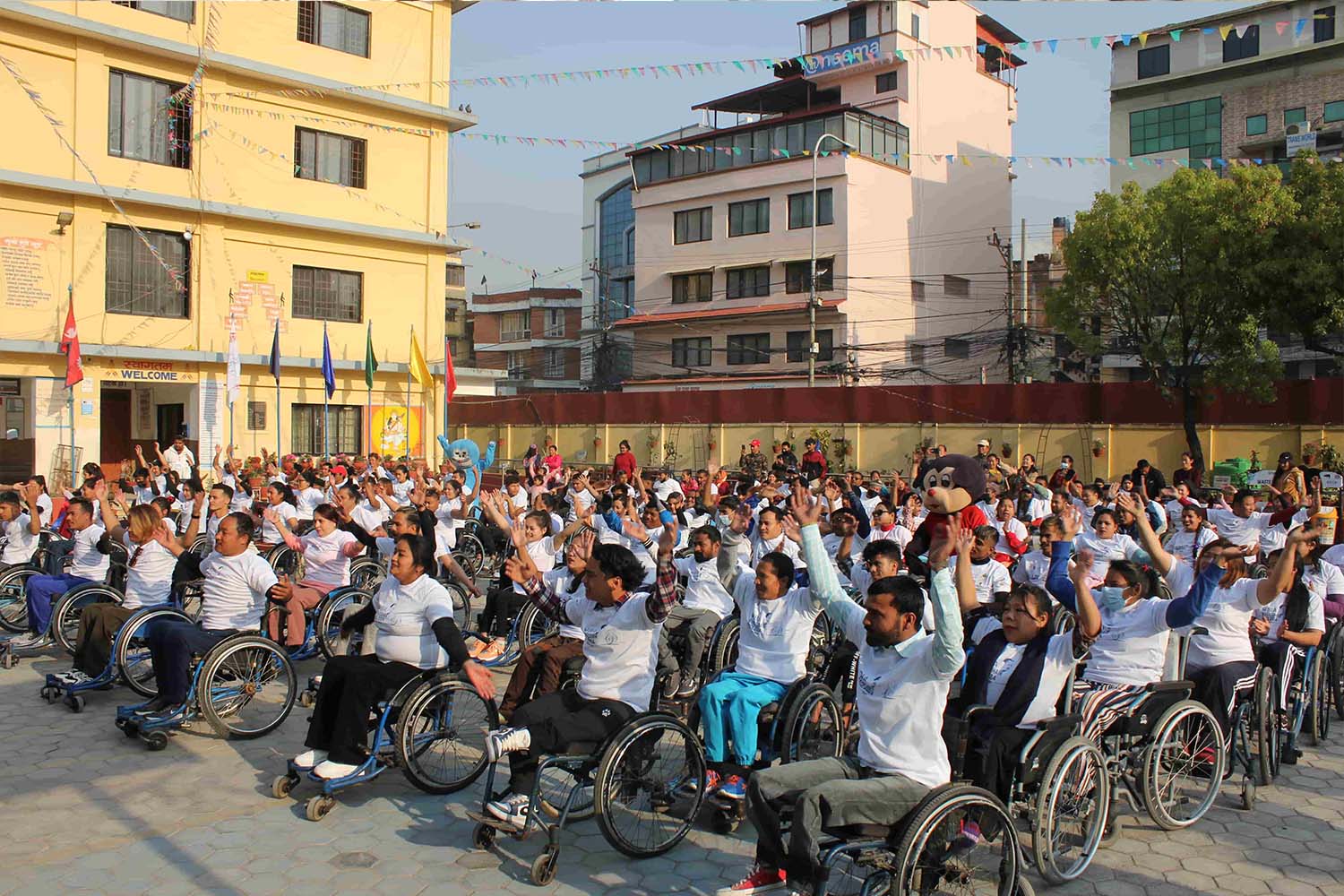
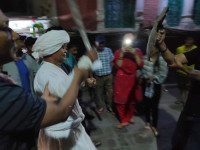
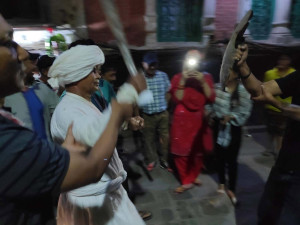
Community-based events such as the wheelchair race exemplify the Institute’s emphasis on increasing this awareness. On March 8, 2025, BIA held its B.I.A Wheelchair Race 2025 at Bhrikutimandap, Kathmandu, with around 200 participants competing along a five-kilometre route from Bhrikutimandap to Sundhara, Jamal, Keshar Mahal, and Durbar Marg.
Families, volunteers, and foreign visitors were present to support competitors and transform the streets of Kathmandu into spaces of collective pride and solidarity.
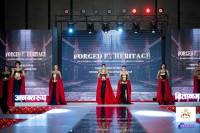
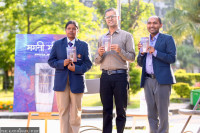
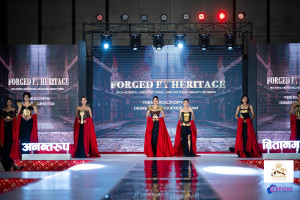
Another key part of BIA’s outreach work is its art and handicraft exhibitions. Paintings, Thangka works, jewellery, and handmade crafts reflect the perseverance and creativity of the individuals behind them. A significant number of these artworks are sold directly to buyers, allowing artists to earn from their work.
BIA also has a hostel where it provides a space for children with disabilities who cannot remain at home because of isolation, neglect, or abandonment. Many arrive at the compound after facing difficult circumstances. One such case is a young girl (whose identity the Institute is keeping anonymous) who lost a leg after being injured while helping her family with agricultural work. Without timely medical care, the wound became severely infected, and doctors were eventually forced to amputate her leg.
Beyond the physical challenges she faced, she also endured deep emotional distress after her parents abandoned her following the accident. When she first arrived at BIA, adjusting to a new environment and meeting new people was difficult. She now attends school, takes part in vocational classes, and has discovered a passion for painting.
“I thought my life had stopped after my accident, especially after seeing how my parents treated me because of my disability,” she says. “Here, I have learned that life goes beyond disability. I study, create art, and dream of a bright future where I can live as an equal among others.”
Around 200 participants took part in BIA’s Wheelchair Race 2025.
Another example is an older man (whose identity the Institute is keeping anonymous) whose life changed after an accident left him paralysed from the waist down. Once the sole earner for his family, he lost his job following the injury and struggled with mounting medical bills and depression.
At BIA, he received individualised vocational training and learned metalwork, crafting statues, singing bowls, and incense holders. He also began working with fabric and incense production—skills he had never imagined pursuing before. Alongside this, counselling sessions helped him process his trauma and rebuild a sense of purpose and identity.
Today, he helps out by organising multiple events, working and supporting other individuals who are experiencing similar challenges.
More than 130 participants are currently enrolled in BIA’s various programmes. To date, the institute has trained over 123 individuals in vocational skills, many of whom now earn an independent income. In addition, more than 4,000 volunteers have contributed their time and expertise to support BIA’s work.
“The way we measure our work is not solely through numbers but through the transformation of lives. Each of our beneficiaries represents a shift in societal attitudes toward disability,” Dhungana says.
The institute recognises that disability is often met with discomfort or uncertainty, and it works to challenge those perceptions through everyday action. Its steady, behind-the-scenes efforts continue to reshape how disability is understood—replacing isolation with belonging and limitation with opportunity.
For the young girl rediscovering her dreams, the father reclaiming his dignity, and the many individuals finding confidence within its walls, BIA is a space where people are supported in rebuilding their lives, pursuing opportunities, and imagining a future defined not by limitation but by possibility.




 13.8°C Kathmandu