



 26.02°C Kathmandu
Tue, Oct 27, 2026
Culture & Lifestyle
Revisiting ‘falcha’ in modern-day Kathmandu
These ancient shelters once hosted gossip, games, and devotion—and now shelter modern commuters with the same warmth.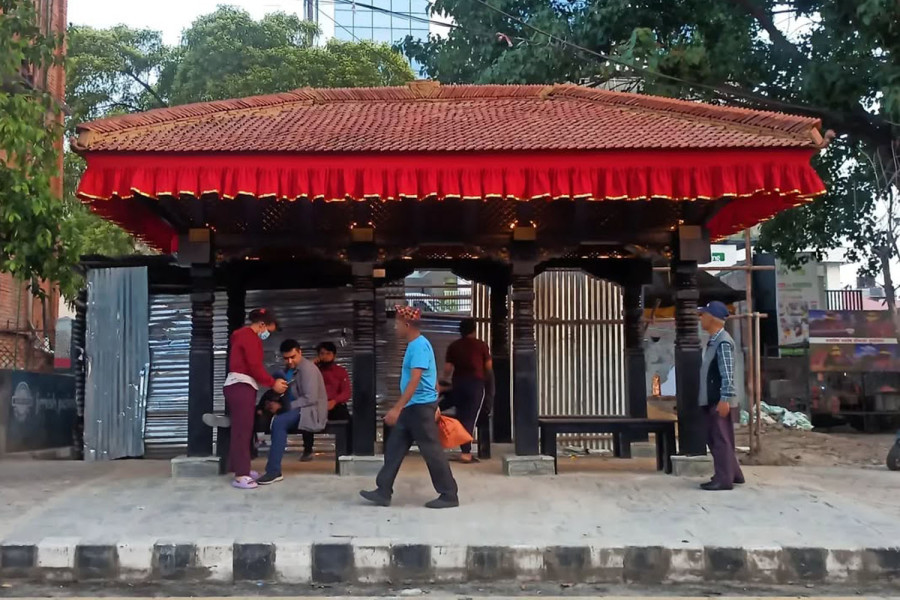
bookmark![]()
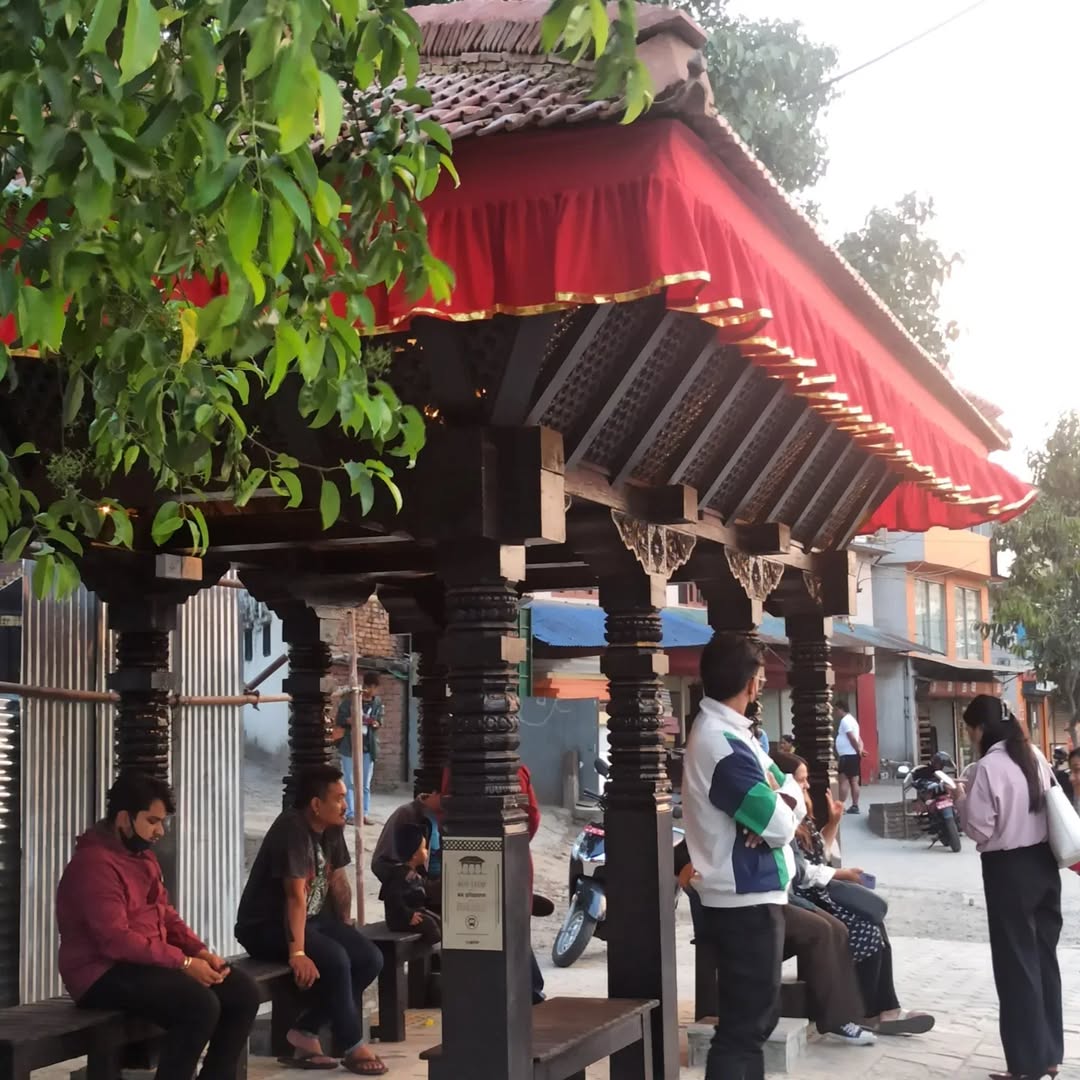
As part of urban development, the interiors are designed for convenience, with multiple rows of seating. Photo: Courtesy of nepaleselifestyle/Instagram ![]()
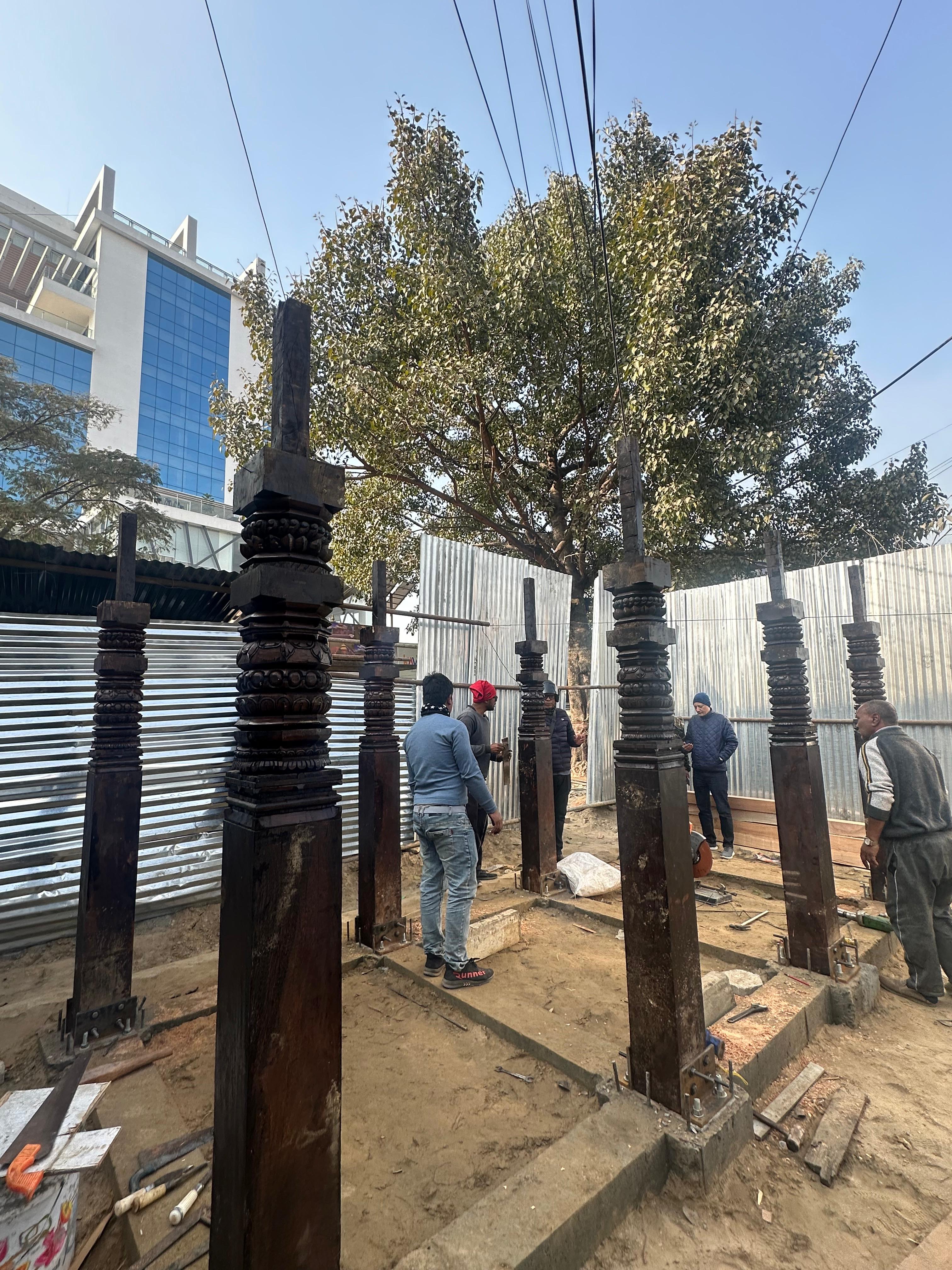
Traditional falchas were built using wood, brick, timber and stone, often with raised plinths and intricate wooden carvings. Photo provided to the Post
Mokshyada Thapa
Published at : January 29, 2026
Updated at : January 29, 2026 07:05
Kathmandu
At first glance, they look like ordinary bus stops. But the falcha-style shelters appearing across Kathmandu are part of a wider effort to revive a centuries-old communal space that once shaped everyday life in the Valley.
Also known as patis, falchas were communal spaces where people could sit and rest. “‘Fa’ means an open space and ‘lcha’ means to rest; in Nepalbhasa, the term refers to a temporary resting place,” says historian and cultural researcher Purushottam Lochan Shrestha, who specialises in Newa culture and Bhaktapur.
Traditional falchas were built using wood, brick, timber and stone, often with raised plinths and intricate wooden carvings. They came in different forms—some were two-storeyed, while others were open on all four sides, the most common design.
“The main purpose of building a falcha was to serve travellers and locals,” Shrestha adds. In ancient Kathmandu, where parks, cafés, and hotels were not easily accessible, falchas served as everyday gathering spaces where people gossiped, played cards, shared news and took part in religious activities, including devotional singing. Children often used them as play areas, while travellers and passers-by rested there during long journeys.
“Falchas existed even before the Malla period and continued throughout it,” says Shrestha. “Wherever there was a falcha, there would usually be a hiti (well). It was not just a structure, but a living tradition.”
Krishnaman Makaju, an 87-year-old resident of Suryabinayak-04, says, “After a long day working in the fields, I used to rest and eat under the Makale Pati. Back then, there were no resting places—only vast agricultural lands. Pati holds many memories for my friends. Now, after its reconstruction, it is called Makaju falcha. I don’t visit as often these days, but whenever I do, it brings back a wave of nostalgia.”
Today, older people are most often seen sitting in falchas. According to Shrestha, there is a local belief that says, “If elders do not rest in a falcha, it cannot truly be considered one.”
“People loved falchas because they made everyday life easier, warmer and more human, without asking anything in return,” he adds.
Falchas reflect how Nepali people interact in society—sharing joys and sorrows, entertaining friends, and supporting one another. These communal spaces carry a strong sense of local social and cultural life.
Other countries have had similar communal spaces with unique purposes. For example, chabutras in India are traditionally built as platforms for birds to nest and feed, and they often also serve as local gathering spots. Such spaces show that the need for social interaction transcends time and culture.
According to Kathmandu Metropolitan City, the first falcha bus stand was built in Bijulibazaar in May 2024, with the intention of reviving falchas in a manner useful to the general public.
Built as both communal spaces and passenger waiting areas, the new falchas serve multiple purposes. Their traditional Nepali design, with pagoda-style roofs, adds visual appeal for locals and tourists. As part of urban development, the interiors are designed for convenience, with multiple rows of seating.
The new falchas also offer protection from Kathmandu’s unpredictable weather. Whether it’s heavy rain or the scorching summer sun, passengers can now wait in comfort. One difference from traditional falchas is the absence of plinths—the raised foundations that supported the original structures.
Satish Tandukar, a member of the Kathmandu Metropolitan City Ward number 10, says, “Our goal was to preserve our cultural heritage in a meaningful way through bus stands. Making falchas was the perfect option for this.”
According to Tandukar, nearly 24 falchas have been completed and are now open to the public. Another 30 are either under construction or in the early planning stages, all within Kathmandu Metropolitan City. Several other municipalities are also collaborating to build Falchas.
New falchas are being built with care and attention to design. But questions remain about the older ones.
Tandukar clarifies, “Only the falcha in Kathmandu Metropolitan Ward No 16 is being renovated following a heritage conservation model. Most of the older ones, damaged by age or earthquakes, have been reconstructed (but not necessarily in the original historic style).”
The need to address heritage conservation goes beyond falchas. In the past, Falchas were funded by Newa guthis, local communities, and individual donations. But other sites, equally important for preserving our historical and cultural traditions, should not be neglected. Government bodies responsible for Nepali culture and archaeology must develop coordinated strategies to protect these heritages and the cultures associated with them.
Reimagining falchas doesn’t just mean focusing on their practical use; it also means preserving the stories and memories attached to them, even if they are now primarily used as bus stops.
Mokshyada Thapa
Mokshyada Thapa is a Culture & lifestyle intern at the post. She is an A-level graduate from St. Xavier’s College.


Most Read from Culture & Lifestyle

Editor's Picks

What to know about the US trial over Mamta Kafle’s disappearance
NPL returns with bigger ambitions and global recognition
What’s new in the Nepal Premier League’s third season?
After Nepal’s recent disaster, it wants to test whether COP31 can deliver climate justice

Why does an hour long flight to Dhangadhi cost more than a flight to New Delhi?
E-PAPER | October 27, 2026

×