The game of Pickleball gaining traction in Kathmandu
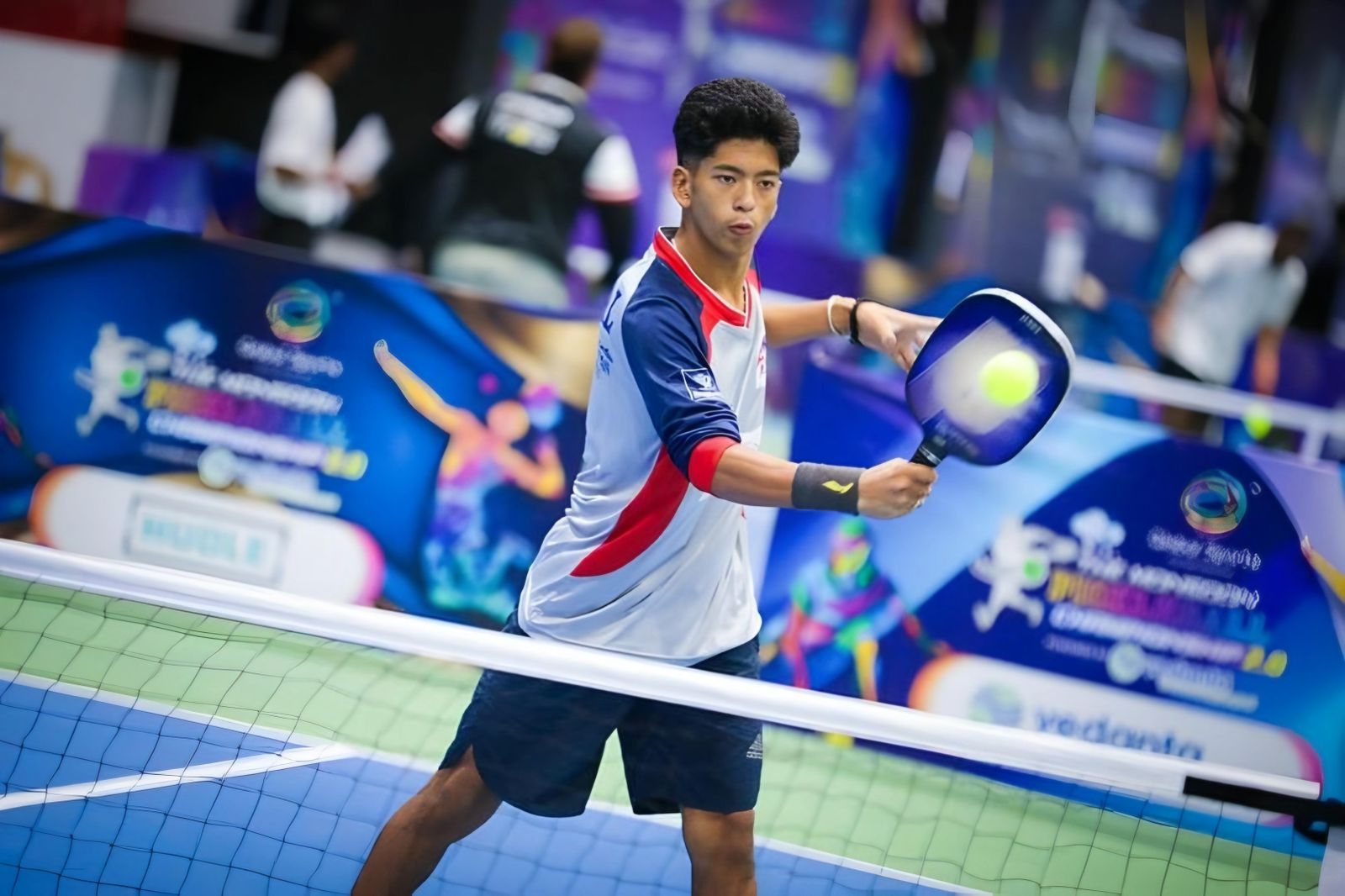
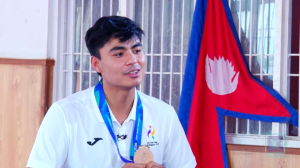
Easy to learn and light on the body, pickleball is emerging as a favourite urban sport, fitting perfectly into the valley’s crowded spaces. Photos: Courtesy of The Flash Pickleball Nepal
Have you ever tried creating a game of your own? With unique rules and accessible materials, pickleball is slowly becoming a talk of the town in Kathmandu.
Originally, this racket sport started as a boredom reliever: an activity to engage Joel Pritchard, a congressman from Washington State, Bill Bell, a successful businessman, and their families in 1965 in the US.
They could not find badminton rackets, so they improvised with what was available: ping-pong paddles and a plastic ball. It is now one of the fastest-growing sports worldwide.
In Nepal, pickleball was introduced a few years ago by a group of enthusiasts who learnt about it during their travels abroad.
According to the Pickleball Association Nepal, they only had two portable nets and a handful of paddles. What began as a few friendly games has now expanded to more than 30 courts across Nepal.
Pickleball draws on elements of common games such as table tennis, tennis, and badminton. Unlike these games, it is played on a short court with a modified tennis net. The ball used to play the game is called a pickleball.
The game is played over 11 points, and the winning player or team must win by 2 points. Only the serving player can earn a point, unlike in games that pickleball resembles.
A standard pickleball court is 44 ft by 20 ft, which is smaller than a tennis court. The court has a unique feature that is called the “non-volley zone”. Affectionately called the kitchen, it is a 7-foot area on both sides of the net. While serving, the ball must be hit diagonally and land beyond the kitchen area on the opponent’s side.
An important rule in pickleball is the double-bounce rule. The ball must bounce on each side before players can start ‘volleying’. Volleying can be understood through badminton. Imagine you and your opponent are hitting the shuttlecock back-to-back without touching the net; that is volleying. But a twist in pickleball is that players must be outside the ‘kitchen’ area while doing so.
Other than the physical benefits of pickleball, its convenience is another factor that draws new players. The rules of this racket sport are simple and easy to grasp.
Additionally, pickleball’s court fits urban spaces in Kathmandu. Given the space shortage, large sports courts can only be built in limited numbers. But with a small-scale court like pickleball’s, the sport has significant potential to thrive in Nepal. It can be played indoors or outdoors, making it a perfect exercise in winter.
People who prefer mental exercise will find pickleball to be enjoyable. Rather than relying on raw strength, the sport demands patience. It encourages strategic footwork and precise shots.
Samir Pokhrel, co-founder of The Flash Pickleball Nepal
Samir Pokhrel, co-founder of The Flash Pickleball Nepal, shares his perspectives on the health benefits and current landscape of this relatively unfamiliar game.
How fast has pickleball grown in Nepal over the past few years?
The growth has been surprisingly fast. Just a few years ago, very few people had even heard of pickleball. We now see players from different age groups joining regularly, courts being built, and structured training sessions underway.
What started as curiosity has turned into consistent participation, especially in urban areas.
What parts of the body get the most workout while playing pickleball?
Pickleball gives a full-body workout. The legs and core are constantly engaged due to movement and balance, while the shoulders, arms, and wrists work through repeated shots.
Because rallies (the back-and-forth exchange of shots before a fault occurs) can be long, they also challenge endurance without placing excessive strain on the joints.
Is playing pickleball considered a light or a heavy exercise?
It sits in the middle. It’s not extreme, but it’s definitely not passive either. For most people, it feels like a moderate-intensity workout that raises heart rate and improves stamina while remaining enjoyable.
Can pickleball help improve balance, coordination, and reflexes?
Yes, very much. The game demands quick reactions, controlled footwork, and precise hand-eye coordination. Over time, players noticeably improve their balance and reflexes, which is valuable for long-term physical health.
How often should someone play for health benefits?
Playing two to three times a week is enough to see physical and mental benefits. Many players naturally end up playing more because the sport doesn’t feel like a chore, which is rare with exercise. The game is both fun and social; people tend to play regularly rather than quitting after a few weeks.
What challenges do pickleball centres like the Flash Pickleball Nepal face in the country?
The main challenges are infrastructure, awareness, and sustainability. Building and maintaining courts requires investment, and educating people about the sport takes time.
There’s also the challenge of creating structured programmes while keeping the sport accessible. Despite this, players’ enthusiasm makes the effort worthwhile.
As international pickleball communities push for the game to be added as an official Olympic sport, Nepal’s sports organisations should prepare to develop the current pickleball players.
Not only players but existing courts and communities should also be supported with financial resources and greater recognition.




 20.17°C Kathmandu