Ink and identity: The art of body modification in Nepal
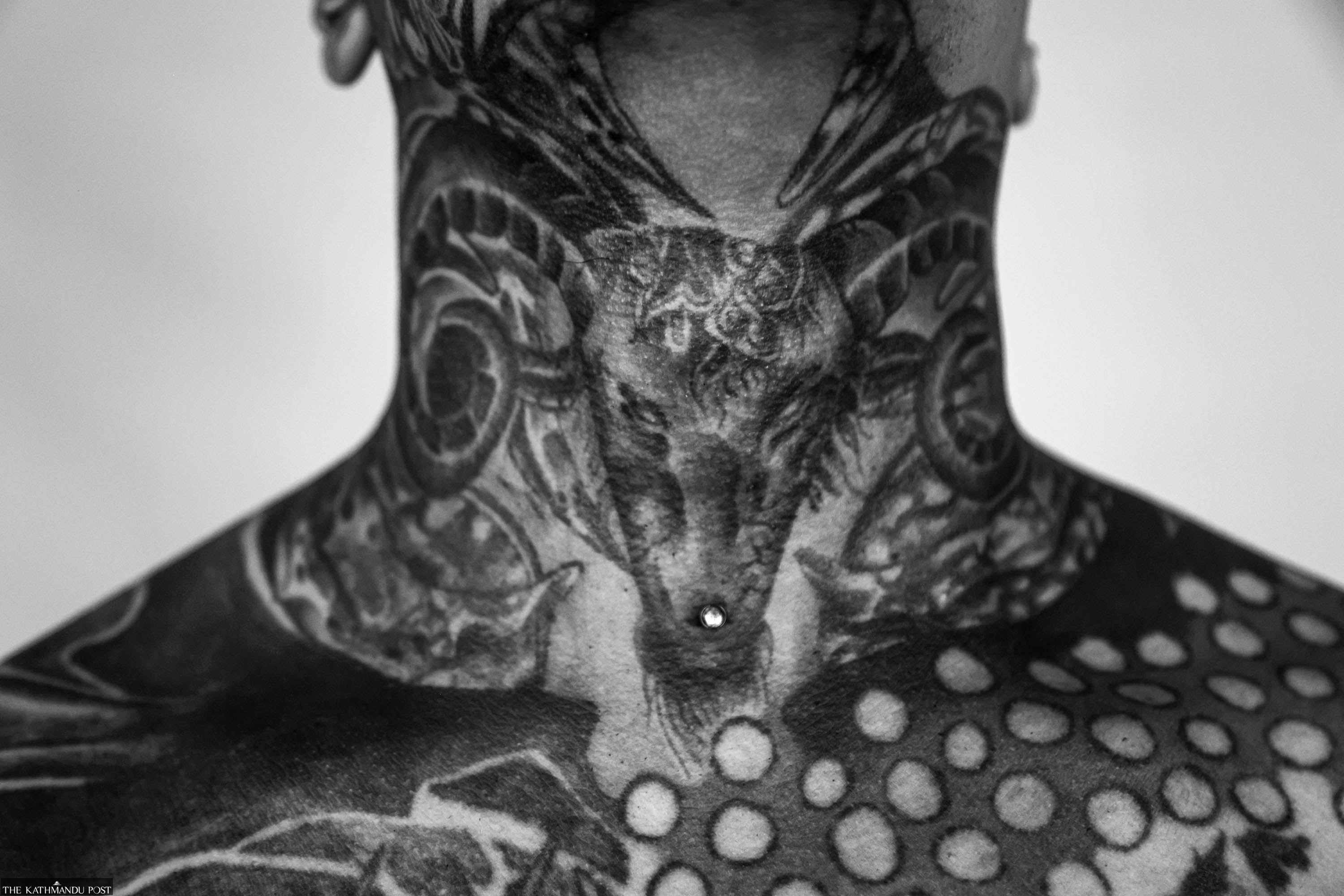
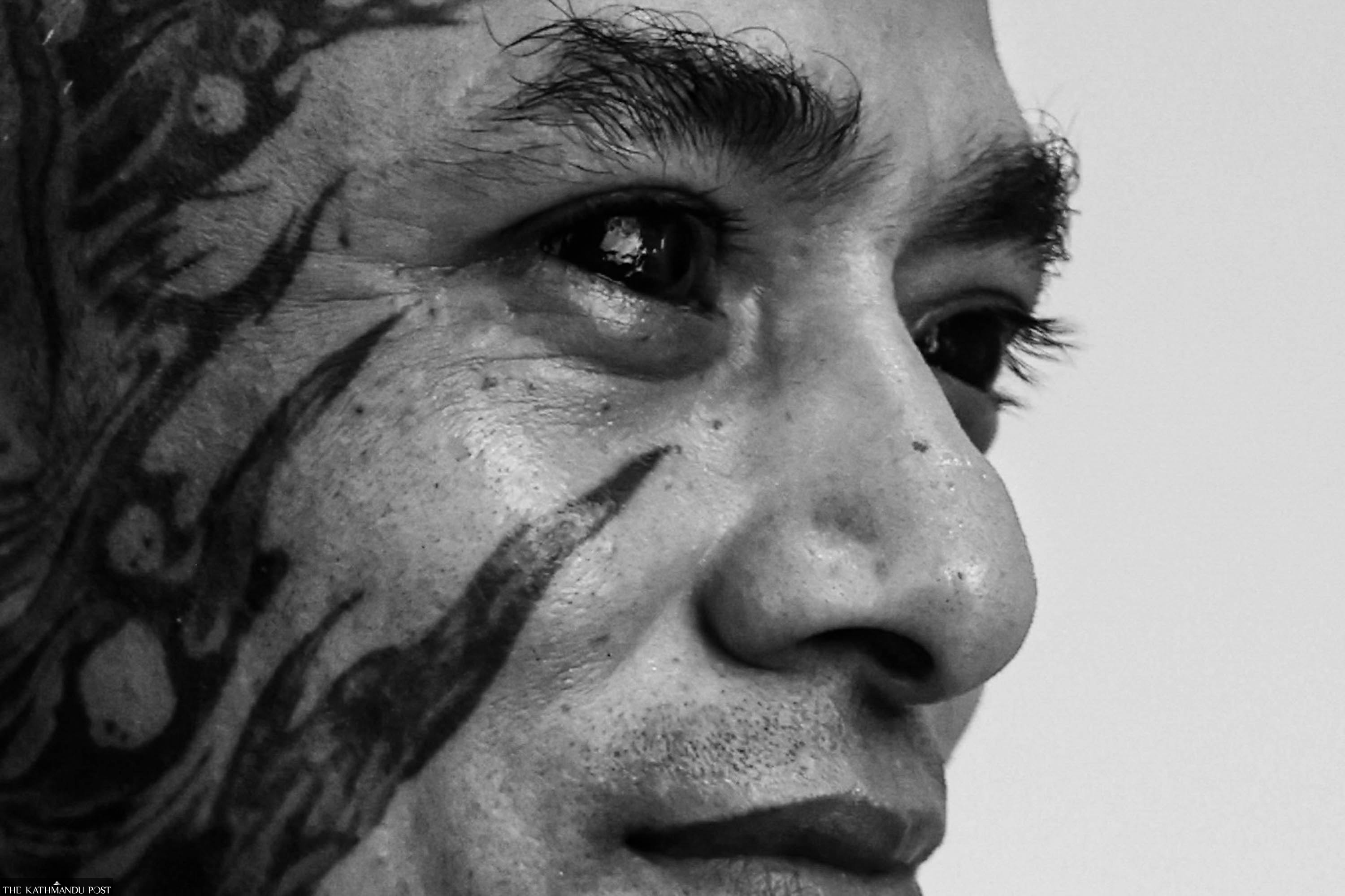
Tattoo culture in Nepal is moving beyond stigma, shaped by artists like Sampurna Sthapit, who view body modification as meaningful art rather than rebellion. Sampurna Sthapit is widely recognised as Nepal’s first body modification artist. Post Photos: Suryams Upreti
Once regarded as a taboo or a symbol of rebellion, tattoos in Nepal have transformed into expressions of identity, art, spirituality, and self-expression.
From minimalist designs to intricate mandalas, Nepal’s streets, from Thamel to Patan, now display diverse tattoo art on arms, backs, and sometimes even faces.
Sthapit’s journey began at the age of twelve in Basantapur, where art surrounded him.
In this evolving cultural landscape standsSampurna Sthapit, widely recognised as Nepal’s first body modification artist.
Sthapit’s journey began at the age of twelve in Basantapur, where art surrounded him. A chance encounter with a local tattoo artist sparked his fascination. Using gel pen ink and a compass, he began practising on himself and his friends, spending hours perfecting early designs.
His inspiration came from the late tattoo artist Babu Raja Dai, and today Sthapit challenges stereotypes that associate tattoos with crime or deviance.
Over the years, he taught himself to tattoo, refusing formal classes while mastering realism and intricate detail. His first professional tools arrived from China, initially unfamiliar, but ultimately the foundation of his craft.
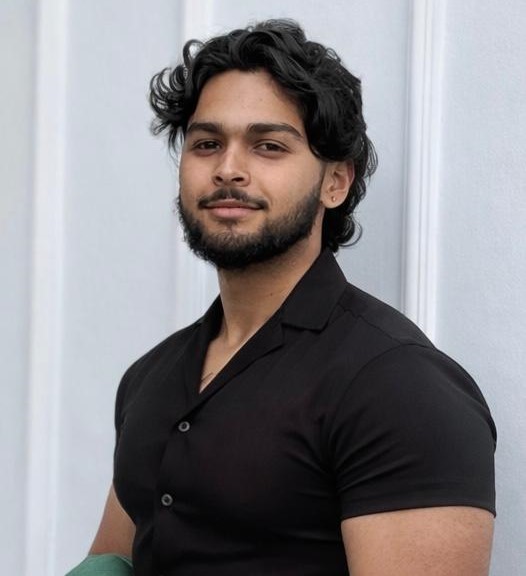
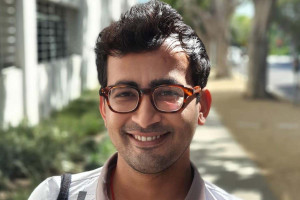
Abishek Darji is a student of Sthapit.
His inspiration came from the late tattoo artist Babu Raja Dai, and today Sthapit challenges stereotypes that associate tattoos with crime or deviance. His own body reflects his belief that tattoos are meaningful art, not markers of disorder.
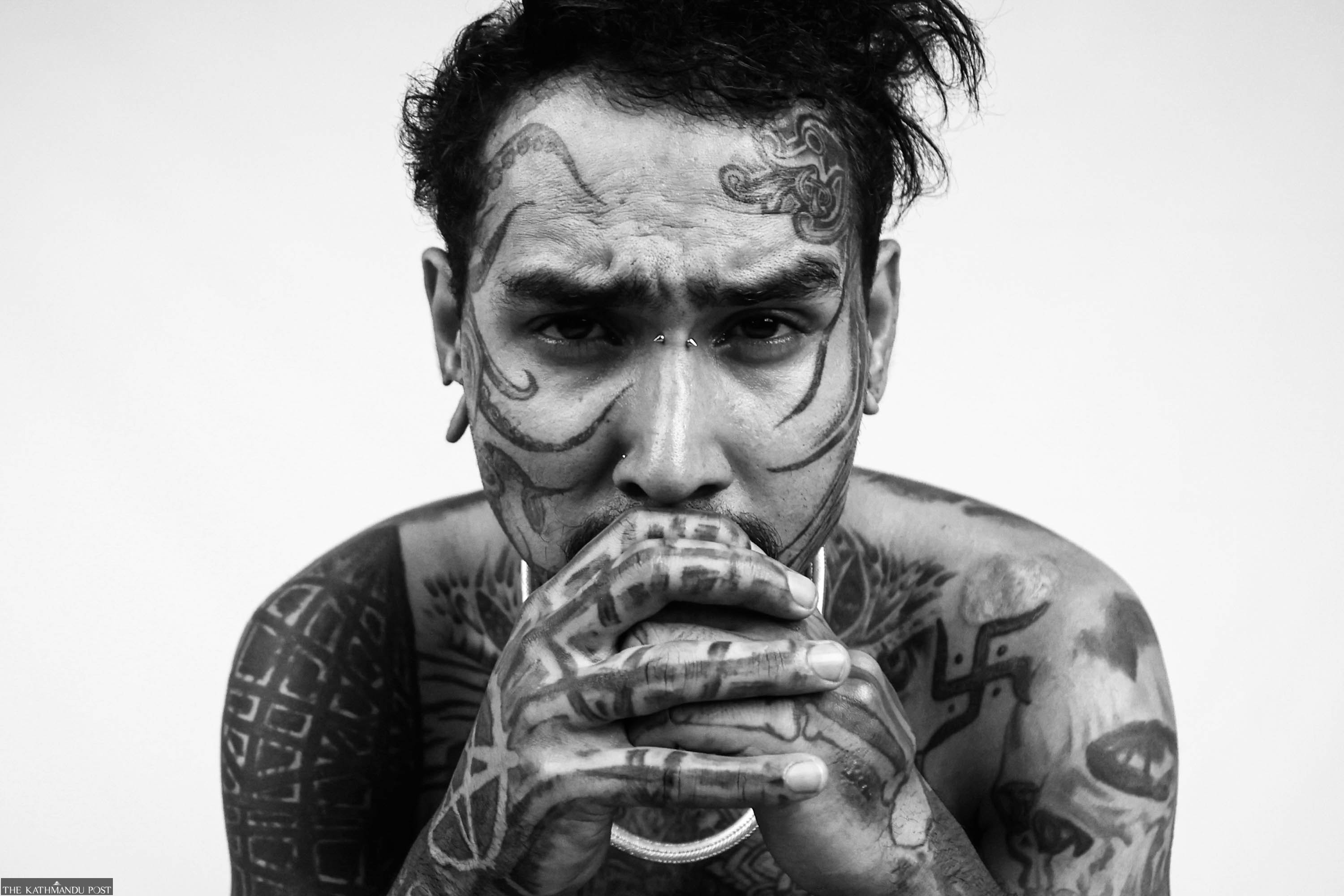
Kabin Raj Puri, a student learning tattoo art under Sthapit.




 18.78°C Kathmandu