Fresh bird flu detection in dead crows keeps Central Zoo shut
Zoo has lost around Rs20 million since closing three weeks ago, as bird flu spreads to 84 poultry farms across the Valley and 22 in Kavrepalanchok. Nepal is currently witnessing outbreaks caused by several avian influenza viruses, including A (H5N1), A (H9N2) and A (H5Nx). Post File Photo
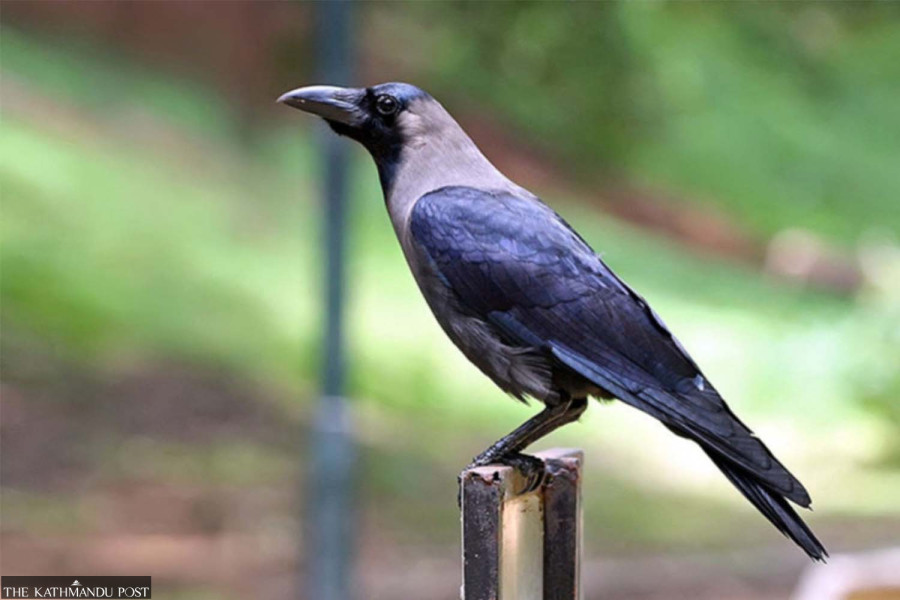
Avian influenza A (H5N1), also known as bird flu virus, has again been confirmed in dead crows found inside the Central Zoo, Jawalakhel, Lalitpur. This has made the reopening of the zoo further uncertain.
According to officials, the Central Veterinary Laboratory confirmed the presence of bird flu virus in samples taken from dead crows that were sent for testing two days earlier. The zoo announced the results on Thursday.
"The latest samples from dead crows have tested positive for the bird flu virus," said Ganesh Koirala, spokesperson for the Central Zoo. "We cannot reopen the zoo under such circumstances. We don’t keep crows in the zoo, but they fly in and can pass the virus to birds kept inside for display.”
The zoo has been shut down since June 19 following an outbreak of the deadly virus among vultures, owls, swans and other rare birds, as well as a jungle cat and civets kept at the facility. The outbreak killed dozens of captive birds. The zoo administration was also accused of attempting to conceal the incident. A committee formed to investigate the outbreak is currently preparing its report.
Officials said the closure has resulted in revenue losses of around Rs20 million, as the zoo normally receives around 2,000 visitors on weekdays and up to 5,000 on public holidays.
According to officials, the zoo will reopen only after the Central Veterinary Laboratory certifies that the premises are free of bird flu and the Epidemiology and Disease Control Division grants approval.
Meanwhile, bird flu has now been confirmed in 84 poultry farms across the Kathmandu Valley over the past month. Of these, 28 are in Kathmandu, 41 in Bhaktapur and 15 in Lalitpur.
The virus has also been confirmed in 22 poultry farms in Kavrepalanchok. On Thursday alone, rapid response teams were deployed to cull poultry and disinfect two farms in Kathmandu, one in Kavrepalanchok and one in Lalitpur.
According to the Department of Livestock Services, more than 754,000 chickens and ducks have been culled since mid-March after outbreaks were detected. Bird flu has now been confirmed in poultry farms in 11 districts across the country. Authorities have also destroyed around 1.1 million eggs and approximately 250,000 kilograms of poultry feed from infected farms.
"Today as well, four teams of technicians have been mobilised to cull poultry at four infected farms," Dr Mukul Upadhyaya, senior veterinary officer and chief focal person for Avian Influenza Control and Disease Surveillance at the Department of Livestock Services said Thursday. "At present, the highest number of infections is being reported from Kavrepalanchok."
Nepal is currently witnessing outbreaks caused by several avian influenza viruses, including Influenza A (H5N1), A (H9N2) and A (H5Nx). These highly contagious viruses primarily affect domestic birds such as chickens and ducks. First detected in eastern Nepal in mid-March this year, the outbreak has now spread to 11 districts.
Nepal first confirmed an outbreak of bird flu in January 2009. Since then, outbreaks have occurred almost every year, resulting in the destruction of millions of birds and large quantities of poultry products. Many poultry farmers have abandoned the business after failing to receive adequate compensation for their losses.
Nepal also recorded its first human death from bird flu in 2019.
Arjun Poudel is a health reporter for The Kathmandu Post. Before joining the Post, he worked for Sagarmatha Television, Naya Patrika, Republica and The Himalayan Times.




 21.76°C Kathmandu