Millions left waiting as Nepal’s driving licence backlog drags on
Nearly 2.7 million applicants yet to receive licences issued since 2022, with printing delays, fire damage and policy gaps compounding the crisis. Post photo
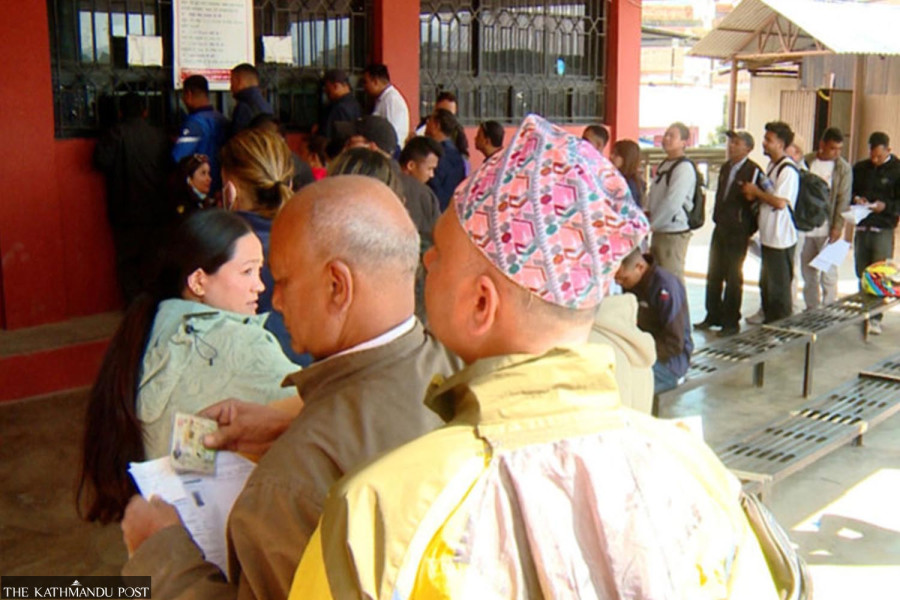
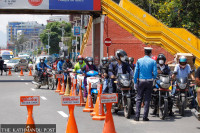
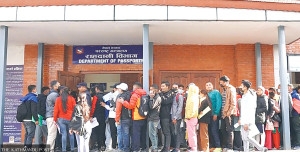
Nearly 2.7 million people who cleared their driving licence tests are still waiting for their cards, years after completing the process, exposing deep inefficiencies in Nepal’s transport system. Applicants dating back to 2022 continue to rely on payment slips instead of physical licences, often facing repeated checks and hassle from traffic police.
Transport offices operate under provincial governments, while the Department of Transport Management remains under the federal authority. With licence printing still centralised, the department has been handling coordination, but repeated disruptions since 2022 have driven the backlog to its current scale.
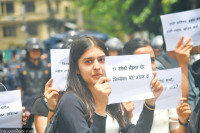
The crisis deepened after a fire on September 9 damaged the Department of Transport Management office in Minbhawan during the Gen Z protests, forcing services to shut down for weeks. Operations only resumed in early November from temporary offices in Chabahil and Bhaktapur. About 22,000 already printed licences were destroyed in the blaze, and their status is still unresolved.
The Department of Transport Management has started printing 1.2 million licences in the first phase through the Security Printing Centre. Director Keshav Khatiwada said urgent-case printing began in early November. “So far, 30,000 licences have been printed, but around 7,000 remain uncollected,” he said, adding that many applicants applied under the urgent category before leaving for foreign employment and did not return to collect their cards.
Khatiwada said applicants whose licences were destroyed in the fire should not be required to pay again. “The cards were lost while in government custody, so they should be reissued free of cost,” he said, adding that provincial governments need to decide on the matter. So far, only Koshi Province has made a decision, he added.
Confusion continues as applicants visit the department daily seeking updates, with officials directing them to provincial transport offices for resolution.
Khatiwada said data for 200,000 licences has already been sent for printing, with another 400,000 being prepared. “We expect 200,000 licences to be printed by Thursday, after which we will send more data,” he said, adding that the remaining 600,000 will be processed in subsequent batches.
Daily demand for urgent licences stands at 250 to 300, while new and renewal applications across the country range between 2,500 and 3,000. Khatiwada said decentralising printing is now essential. “Each of the 42 offices should have printing machines. If not, at least one per province,” he said.
He added that priority is currently being given to Karnali and Sudurpaschim, while data from hill districts in Koshi Province is being processed.
Security Printing Centre Executive Director Devaraj Dhungana said printing has reached 25,000 licences per day since Sunday. “We will complete 1.2 million cards within the agreed timeline by mid-April,” he said. He added that although the initial plan was to print 500 cards daily, capacity has now been expanded significantly, up to 40,000 per day.
The printing facility is based in Panauti, Kavre. Dhungana said preparations are also underway to clear older pending licences, with a plan to eliminate the backlog by mid-July. “No applicant should have to carry a payment slip anymore,” he said.
Transport infrastructure expert and Rastriya Swatantra Party lawmaker Ashish Gajurel said the delay reflects a systemic failure. “Banks issue ATM cards immediately after opening an account. Why should a driving licence take years?” he said.
He called for outsourcing printing to the private sector under a competitive and regulated framework. “The state should ensure standards and security, but delivery must be fast. Licences should reach applicants within 24 hours,” he said.




 24.95°C Kathmandu