‘Positive but challenging’: Gen Z leaders react to RSP-Balen deal
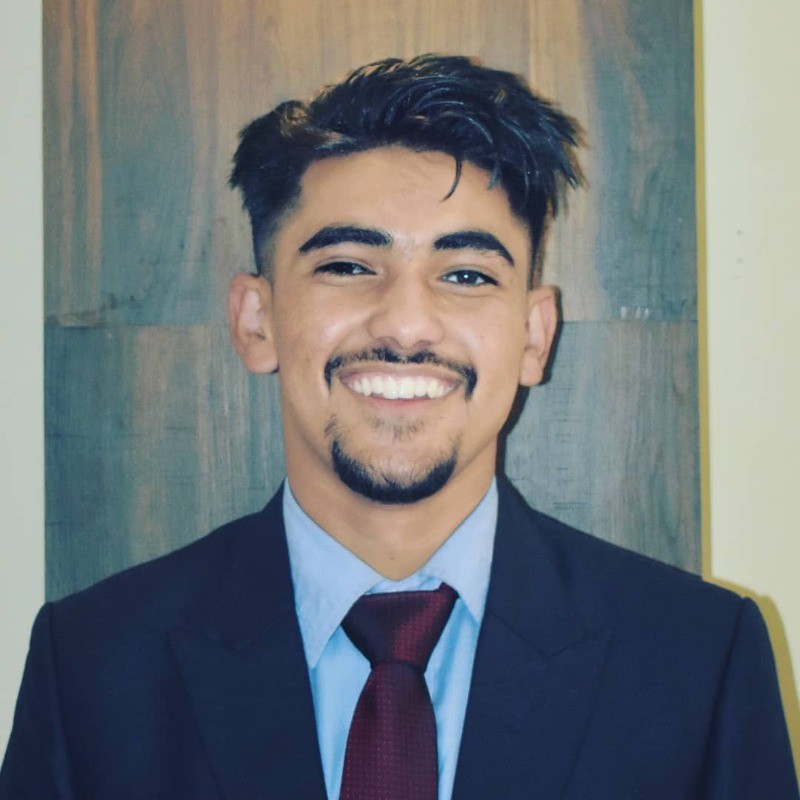
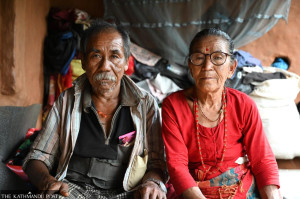
Wounded activists welcome the alliance, but movement leaders decry the deal as continuation of the same old power-sharing approach to politics. From left, Prakash Bohara, Liza Adhikari, Bikash Rasaili and Arnav Chaudhary.
The seven-point deal between Rastriya Swatantra Party (RSP) chair Rabi Lamichhane and Kathmandu Mayor Balendra Shah has sparked mixed reactions. Amid this, some Gen Z leaders that the Post talked to have expressed both hope and caution.
Wounded Gen Z activists said the partnership could create a genuine alternative political force. They described the collaboration between Lamichhane and Shah as a potential “alternative power”.
Yet, Gen Z protest leaders cautioned that the deal lacks a clear, agenda-driven foundation, is dominated by power-sharing arrangements, and could replicate patterns from past political alliances.
Prakash Bohara, who was shot in the leg during September’s protests in New Baneshwar and whose blood-stained shoe became a symbol of the uprising, welcomed the deal. “This is what we have been waiting for,” Bohara said. “Both are figures we trust. Seeing them together gives me hope.”
Bohara, who is receiving treatment at the National Trauma Centre, said political and institutional reforms have yet to materialise more than three months after the movement. He warned that old parties could regain influence and criticised public disclosure of the power-sharing agreement between the two.
Another wounded activist Shantanu Dhakal said the deal gave him hope. “Balen was always a figure we supported. Now we can hope in both Rabi and Balen,” he said.
Gen Z activist Liza Adhikari also expressed optimism. “I am very happy,” she said. “I am confident that new faces will emerge alongside them.”
Some movement leaders, however, expressed scepticism. Bikash Rasaili said there is little ideological difference between old and new parties, describing the deal as a continuation of old ways of power-sharing. “The agreement is centred on power-sharing, similar to past deals between KP Sharma Oli and Pushpa Kamal Dahal,” he said. “New does not automatically mean change. Actions must prove it.”
Meanwhile, another Gen Z activist Arnab Chaudhary welcomed the deal, saying the new generation could push reforms faster than the old leadership. He, however, stressed that the federal democratic system that incorporates the principle of inclusion should remain intact. Chaudhary also urged party-affiliated Gen Z leaders to actively intervene in their respective parties to challenge entrenched leadership.
Amit Khanal of the Gen Z Movement Alliance criticised the partnership’s “neoliberal and capitalist” approach, warning it could further marginalise disadvantaged groups. He added that many new leaders, despite campaigning to oust corrupt figures, appear to be following similar patterns in practice.
Majid Ansari described the deal as “positive but challenging,” emphasising that collaboration should focus on issues and agendas rather than personalities, to avoid repeating past conflicts like those between Dahal and Oli.
Leaders said that while the agreement offers a glimmer of hope, questions remain over how it will advance constitutional, social, and inclusive reforms. They stressed that Gen Z’s struggle is not just about leadership change but systemic transformation, and that trust must be earned through action, not rhetoric.




 15.26°C Kathmandu