1,301 startup applications shortlisted for subsidised loans
Industrial Enterprise Development Institute plans to provide loans between Rs500,000 and Rs2 million to nearly 500 of them after final selection.Shutterstock
The Industrial Enterprise Development Institute (IEDI) has made a preliminary selection of 1,301 out of the 10,244 applications for subsidised startup loans.
Publishing a notice on the official IEDI website on Wednesday, the institute has sought further documents for the evaluation of business for final selection from the preliminary list. The selected startup business needs to click the link in the SMS sent to them and download the format for evaluation.
The selected startup needs to fill in the business details in a clear and complete way and send it in the WhatsApp number that the IEDI has provided. The deadline to send the document is by 5pm on May 6. The application proposal will be disqualified if the details are not submitted within the given deadline.
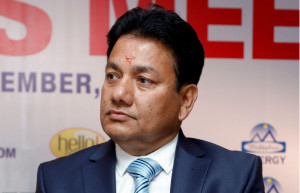
“We plan to disburse the loan within May. Out of the preliminary selection, we plan to provide a loan between Rs500,000 and Rs2 million to nearly 500 finally selected startups,” said Maniram Gautam, information officer at the Industrial Enterprise Development Institute. The committee will evaluate the documents from the select startups and their application will be sent to a bank for credit appraisal.
Previously, a presentation used to be made following the selection. However, with such a presentation costing high for the applicant, and consuming time of the remaining fiscal year, the IEDI accepted the field inspection details coming from the enterprise development facilitation unit of the respective local government such as photos and videos of the startups.
In the previous years, field inspections were conducted by banks after applications were shortlisted and recommended for loan approval. This year, however, the institute has changed its approach and decided to conduct inspections of startups before shortlisting them for loans to better understand their actual status.
Applicants for startup loans ranged from beekeeping, bhuja (puffed rice) factories to banquets and lounges, and fast food restaurants to noodles, spice to incense factories, among others.
Gautam said that most of the selected businesses are small and medium enterprises using innovation somehow to do business. As final selection is yet to be done, they will not make it to the final if they do not meet the prescribed work procedure.
Earlier, the institute had aimed to complete loan processing by January and provide the loans in April. But the elections caused the delay. The concessional loans will be issued through the Rastriya Banijya Bank at an annual interest rate of 3 percent.
Last fiscal year, IEDI received 5,120 proposals. Eventually, 600 enterprises, among the 661 recommended, received loans. In the fiscal year 2023–24, 165 enterprises received loans out of the 183 recommended. Over the past two fiscal years, a total of 765 enterprises have received Rs770 million in subsidised loans, with Rs28.2 million repaid so far.
Under the Startup Enterprises Credit Operation Working Procedure, 2025, firms older than 10 years are no longer classified as startups. A startup also loses its status if its annual transactions exceed Rs150 million.
Despite growing demand, the government has reduced the maximum loan ceiling this year to Rs2 million from Rs2.5 million. IEDI had requested Rs1 billion for the programme but received only Rs730 million, which officials say is insufficient given the surge in applications.
Experts warn that reducing the subsidised loan budget could discourage innovation at a time when commercial banks have adequate liquidity and interest rates remain relatively low.
To qualify, a startup must have been registered before the notice was published and be less than seven years old. Additional criteria include paid-up capital and annual income below Rs5 million, fixed capital—excluding land and home value—under Rs20 million, and a workforce of no more than 10 employees.
Borrowers are required to use the funds strictly for the proposed purpose, repay instalments on time, provide necessary data during inspections and submit quarterly progress reports.
Banks may recommend action in cases of default, and accounts of non-compliant startups may be suspended. Banks are allowed to charge a service fee up to 0.1 percent of the loan amount.
Krishana Prasain is a business reporter for The Kathmandu Post covering markets. Before joining The Kathmandu Post in 2018, she spent 3 years in New Business Age magazine covering business.




 24.95°C Kathmandu