Nepal runs out of cancer medicines after supplies halted citing high costs
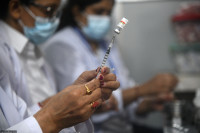
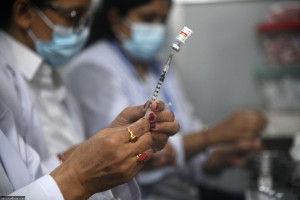
Doctors attending cancer patients say there is no carboplatin, cisplatin and oxaliplatin chemotherapy medication used to treat various types of cancers. Hundreds of patients have been affected. Oncologists say carboplatin, cisplatin, and oxaliplatin are platinum-based chemotherapy agents, commonly used to treat curable cancers. Shutterstock
The Chitwan-based BP Koirala Memorial Cancer Hospital has seen the supply of Cisplatin, a platinum-based chemotherapy medication used for the treatment of various forms of solid cancers, stopped for three months. The hospital had procured Carboplatin, another platinum-based chemotherapy medication, in advance, and it was also used last week.
“We do not have both medicines, and neither can be procured in the market,” said Dr Umesh Nepal, acting director of the hospital. “Patients having various kinds of cancers and their relatives are in deep trouble at present due to acute scarcity of the two medicines.”
Along with carboplatin and Cisplatin, oxaliplatin is also used in chemotherapy for cancer patients, and Nepal has been facing an acute scarcity of all these medicines.
Doctors say carboplatin, cisplatin, and oxaliplatin are platinum-based chemotherapy drugs used in the treatment of various solid tumours, including ovarian, lung, head, neck, and breast cancers. The medications damage the DNA of cancer cells and prevent them from dividing.
Oxaliplatin is used primarily in the treatment of advanced colorectal cancer.
These medications need to be administered in combination with other medicines. Doctors warn that the efficacy of the medication will diminish when it is not included in the treatment.
With all efforts failing to secure the medicines, the hospital on Friday requested the World Health Organisation’s Nepal office for the emergency supply of the medicines.
“We have to write a formal letter to the UN health body today,” said Nepal. “The problems faced by patients and their relatives will lessen if we get medicines from the WHO.”
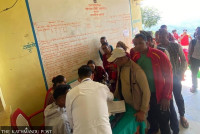
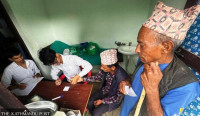
Every day, 150 to 200 patients of various cancers involving different organs seek chemotherapy at the BP Koirala Memorial Cancer Hospital. Doctors say the medication is necessary for the treatment of all cancers.
Oncologists say carboplatin, cisplatin, and oxaliplatin are platinum-based chemotherapy agents, commonly used to treat curable cancers.
“These medicines are under the price cap of the Department of Drug Administration set a decade ago, and prices have not been revised thereafter,” said Dr Sandhya Chapagain, a senior oncologist at Bir Hospital. “Prices of raw materials, including silver used to make the drug, have increased manyfold. Therefore, the supplier could not import these medicines, which caused a shortage. The government must address the problems at the earliest.”
Other oncologists the Post talked to also complained of a shortage of medicines widely used in curable cancers, which are cheap and effective.
“Patients and their relatives have been forced to travel to India for medicines,” said Dr Sudip Shrestha, chairman of the Lalitpur-based Nepal Cancer Hospital and Research Centre Ltd. These medicines are effective and widely used to treat almost all types of cancer. Prolonged shortage of medicines will affect the outcome of treatment.”
Suppliers of the medicines say they had to stop deliveries because prices have increased significantly due to a stronger US dollar and higher raw material costs.
“We have not imported for the last three months, as we are not allowed to raise the price determined a decade ago,” said Madhu Chitrakar, an official for Prime Life Care, an agency that used to import carboplatin from Bangladesh. “Drug manufacturing companies have raised 2 to 3 times the ceiling set by the Department of Drug Administration.”
Both carboplatin and cisplatin are intravenous drugs, comparatively cheaper and more effective than other medicines. Suppliers say the DDA has allowed them to sell the 100 mg medicines at Rs1,300 and the 450 mg at Rs4,035. The price of the medicines, however, has increased two- to threefold in the international market.
“An increase in the US dollar price, and war in West Asia, increased the price of raw materials excessively,” said Deepak Tibrewal, proprietor of DKM Pharmaceuticals. "We cannot sell the medicines for less than our cost price.”
Suppliers complain that the government adjusts the price of petroleum products every 15 days, but the price of 96 medicines on the essential drug list has not been revised for the last 11 years.
Meanwhile, the SAARC Federation of Oncologists-Nepal has expressed its deep concern about the increasing difficulty in the supply and availability of essential platinum-based chemotherapy medicines in Nepal.
In a letter to the drug regulatory body, the federation warns that interruption or delay in these medicines can directly affect survival and treatment outcomes.
Meanwhile, the Department of Drug Administration, which is the national regulatory body of the drug market, said that a meeting held at the health ministry between senior officials and representatives of suppliers on Friday afternoon agreed to resume the supply of the medicines immediately.
“We have agreed to revise the price of medicines. It needs to be approved by a Cabinet meeting,” said Shiwani Khadki, acting director general at the department. “We will start the revision process and forward a document to the Cabinet soon to address the problems affecting thousands of people.”
There is no exact census of cancer patients in Nepal, but the Global Cancer Observatory estimates over 22,000 new cancer cases and 14,000 deaths every year in the country. Around 60 percent of cancer patients are believed to undergo chemotherapy.
Arjun Poudel is a health reporter for The Kathmandu Post. Before joining the Post, he worked for Sagarmatha Television, Naya Patrika, Republica and The Himalayan Times.




 19.27°C Kathmandu