The Ministry of Health and Population has released around Rs750 million to the Health Insurance Board to continue the government-run health insurance programme, which has faced disruptions over the past few months.
The amount was generated by reallocating budgets from several other health care programmes planned for the ongoing fiscal year, officials say.
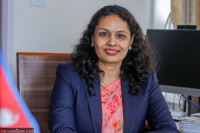
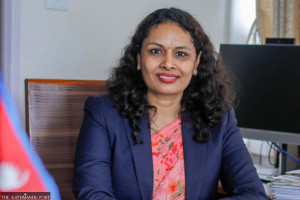
“We have secured some funds from the health ministry and also expect an additional amount to address ongoing problems of the health insurance programme,” said Dr Krishna Prasad Paudel, executive director of the board. “We are expecting additional Rs1 billion to continue the programme.
Some hospitals, including the Tribhuvan University Teaching Hospital and the Manmohan Cardiothoracic Vascular and Transplant Centre at Maharajgunj, Kathmandu, have stopped providing services under the government’s health insurance scheme since January 15.
Bir Hospital is also limiting medications to only one month for patients with chronic diseases citing long-overdue payments. The hospital previously provided medication for at least three months to patients with chronic diseases.
Several other hospitals have warned that they would be forced to stop services if unpaid dues are not settled immediately.
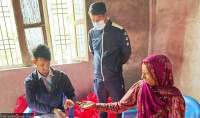
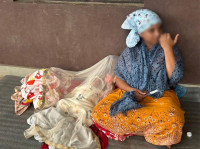
Every day, hundreds of patients who arrive at the hospital for treatment with a health insurance card either return without receiving care or are required to pay hospital charges, just like patients without insurance coverage.
The TU Teaching Hospital administration cited overdue payments of around Rs400 million, rejected claims, and low service rates as major issues. According to officials, around 50 percent of the hospital’s claims were not approved by the board, so the hospital lost over Rs20 million every month.
“We will pay some of the dues of the Tribhuvan University Teaching Hospital and Manmohan Cardiothoracic Vascular and Transplant Centre and distribute the remaining money to other hospitals as well,” said Paudel. “We hope new agreements will be reached with the two hospitals, as the agreements signed for five years have expired, and they will resume the health insurance programme soon.”
The board procures health services from more than 500 health facilities, including the Tribhuvan University Teaching Hospital. Most hospitals providing services under the health insurance scheme have warned they will be forced to discontinue services if dues are not cleared immediately.
Officials at the board said all government funds allocated for health insurance and premiums collected from the public have already been paid to health facilities. Altogether, Rs14 billion had been paid by December. This included Rs11 billion from the Ministry of Health and over Rs3 billion collected in premiums from the public.
The board needs to pay an additional Rs10.5 billion in dues to over 500 health facilities, including the TU Teaching Hospital. Officials said this shortfall is due to a funding crunch, not intentional delays. On average, about 50,000 people use services each day, and over 10 million people are covered by health insurance.
Health officials say they will convene a meeting of experts next week to revise certain health insurance packages and contain uncontrolled expenses to sustain the scheme, which benefits hundreds of thousands of people each year.
To reduce the ongoing expenses, the Board has limited outpatient care coverage to Rs25,000 per patient, or the same amount collectively for up to four members of an insured family, since February 13. Previously, patients could access services worth up to Rs100,000, covering outpatient, inpatient, and emergency care.
Officials say the new decision to lower the ceiling for outpatient care is in line with an expert panel's recommendation. The Health Ministry has also asked the board to limit expenses to around Rs14 billion, and the new decision to set a ceiling in outpatient care is in line with the ministry’s direction, they say.
Public health experts, however, say the decision to limit outpatient care contradicts the health insurance policy and could affect policy renewals.
Under the original scheme, a family of up to five members pays Rs3,500 for treatment, including medicines, check-ups, and counselling. One family member can use the insurance coverage worth Rs100,000 per year, or the amount can be divided among five members. Families with more than five members pay Rs700 per additional member for an extra Rs20,000 in health insurance coverage.
People covered by the insurance can access healthcare services at designated facilities by presenting their identity cards. Expenses incurred by health facilities are reimbursed by the Health Insurance Board.
The government also covers premiums for certain groups—those living below the poverty line in 26 districts, people above 70 years, family members of people living with HIV, disabled people, and those suffering from leprosy and multi-drug resistant tuberculosis.
Currently, the government pays the insurance premiums for around 55 percent of people enrolled in the scheme.




 20.51°C Kathmandu