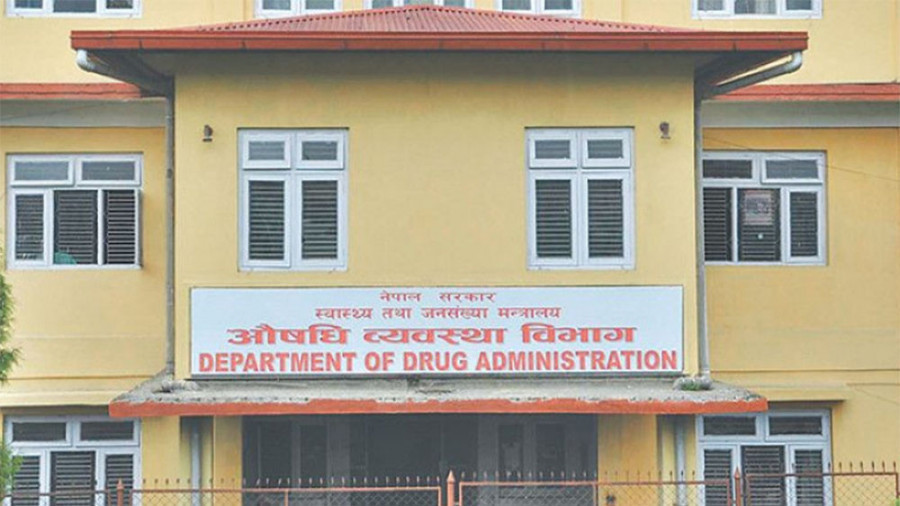
The Department of Drug Administration (DDA) has recalled ‘Supramox CV BID’, a children's antibiotic, after the medicine was found to be substandard in laboratory testing.
The medicine’s batch, FSBD 12016, was manufactured by Arya Pharmalab Pvt Ltd, a Bara-based company, and failed to meet IP 2022 standards for assay, according to the department, which is the national regulatory body for both allopathic and ayurvedic medicines.
“The test showed the drug did not contain the required strength (quantity) of medicine,” said Narayan Dhakal, director general at the department. “The medicine may not work in patients if used, and their health condition could also deteriorate.”
Supramox CV is a combination antibiotic medicine containing amoxicillin and clavulanic acid, which is commonly prescribed for children for infections of the ear, throat, sinus, chest, urinary tract, among others, where bacteria pose a severe risk of spreading.
DDA regularly collects drug samples from pharmacies across the country and tests them in its labs to ensure compliance with quality standards.
Although samples of the substandard medicine were collected nearly a year ago, the department’s lab only recently confirmed the batch was substandard.
Officials admit they are unsure whether the substandard medicines are still on the market or have already been sold and consumed.
“Most of the time, we get quality test reports months after collection,” said Dhakal. “Due to delays in carrying out testing, substandard medicines get sold and used by patients.”
DDA officials said that, due to understaffing, they cannot always verify that all recalled drugs have been removed from the market. They said that about 20 drug inspectors are responsible for inspecting 25,000 pharmacies nationwide.
Of the more than 24,000 types of medicines—both allopathic and ayurvedic—available in the Nepali market and manufactured by national and foreign companies, quality testing was carried out on only 648 in 2025. DDA inspectors collected samples from more than 1,200 medicines, but the National Medicine Laboratory within the department could test only a fraction due to resource constraints.
Apart from carrying out inspections and collecting samples from the market, DDA inspectors also have to carry out inspections of national and international drug laboratories supplying medicines in Nepal.
Experts are concerned that lab reports for most of the medicines collected for testing were submitted almost a year after production, by which time many may already have been sold or used, including substandard ones. They say that delays of months or years in reporting substandard medicines directly endanger patients’ health and constitute sheer negligence on the part of the government.




 19.27°C Kathmandu