A growing trend of consuming packaged and processed foods, which nutritionists term ‘junk’, could have worsened overall nutrition, including in the Sudurpaschim province, according to public health experts and nutritionists.
They say malnutrition is not only a problem of not getting enough to eat, but also of lacking nutritious food, low awareness of locally available food options, and growing preference for unhealthy snacks among children.
“The problem has been reported from Sudurpaschim province only because a study was carried out there,” said Dr Sudha Shree Adhikari, a nutritionist. “If similar studies are done in other provinces—Madhesh, Lumbini, Karnali, and others—such problems will likely be found there as well.”
Malnutrition has remained a silent crisis in Nepal.
According to the report of the Smart+ survey published on Tuesday, nearly 16 percent of children under five years of age in Sudurpaschim province were found to be suffering from an acute form of malnutrition.
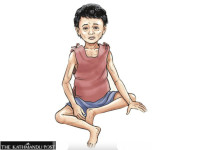
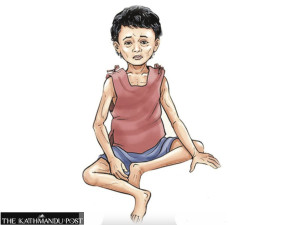
Severe acute malnutrition means the most extreme and visible form of malnutrition, which requires urgent hospital care. Children suffering from severe acute malnutrition are 10 times more at risk of dying compared to healthy children, doctors say.
Sudurpaschim’s malnutrition situation is alarming, since the rate of 15.8 percent—measured using the combined case definition of weight-for-height and mid-upper arm circumference—is higher than the WHO threshold of 14.9 percent for serious acute malnutrition.
This is about three times higher than the 5.1 percent estimate for Sudurpaschim province reported by the Nepal Demographic Health Survey-2022.
The report shows that 25.3 percent of the children in the province are stunted, and 25.5 percent are underweight. Both indicators point to acute undernutrition, according to the World Health Organisation classifications.
Sudurpaschim is a moderately food-insecure province, as per the 2021 National Population and Housing Census.
The Smart+ survey shows major gaps in complementary feeding, particularly after six months, with low dietary diversity, inadequate meal frequency, and poor overall diet quality. Micronutrient supplementation coverage is also suboptimal, leaving children vulnerable to deficiencies. The survey, conducted last year by the government in collaboration with UNICEF and other agencies, covered 267 clusters and assessed around 1,700 children from 4,266 households.
Experts, however, said that malnutrition is not only related to food insecurity but is also directly linked to health, education, awareness, use of processed and junk foods and the country's overall politics.
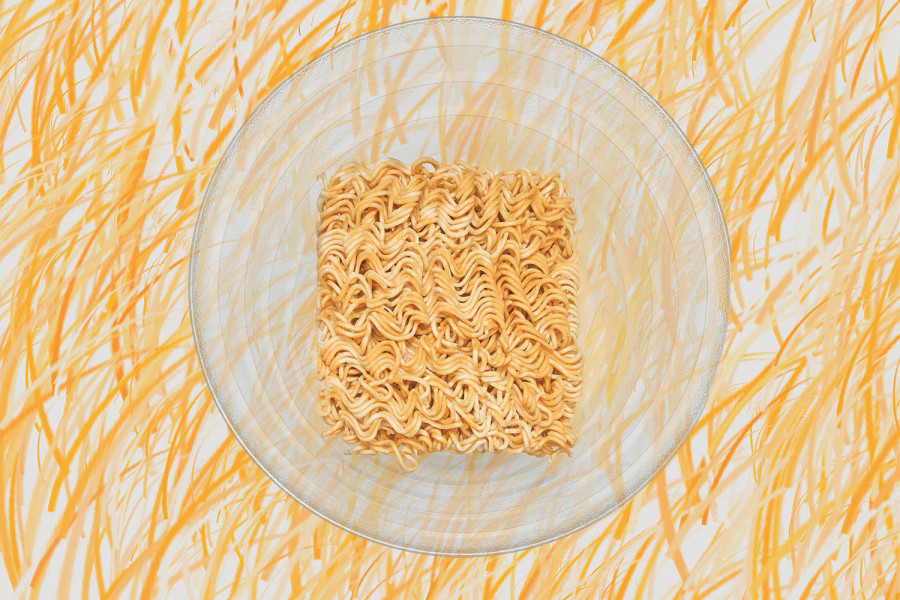
“The culture of eating locally available foods has been declining, even in rural areas,” said Dr Aruna Uprety, a public health expert who has long advocated for use of locally available organic foods. “These days, people no longer eat roasted corn and soyabeans [makai bhatmas] that are locally available, but noodles, biscuits, and other packaged snacks and sugary drinks. Those who give their children locally available foods are considered poor.”
Experts say that nutrition has a direct link to the country's overall development. Malnutrition affects the physical and mental growth of children, which ultimately harms the country’s economic health, according to them.
“Children deprived of nutritious food and affected by malnutrition face delays in cognitive development,” said Uprety. “They will not be able to compete on equal footing with well-nourished children.”
Doctors say malnutrition weakens intellectual capacity, limits productivity in adulthood, and increases vulnerability to diseases. Declining household income, poor water and sanitation conditions, and other factors are also responsible for worsening the problem, they say.
Nepal also has an international obligation to improve the nutritional status of children. To meet Sustainable Development Goals targets by 2030, Nepal must reduce stunting to 15 percent from the existing 25 percent, wasting to four percent from the current eight percent, underweight prevalence to 10 percent from the existing 19, and anaemia to 10 percent from over 43 percent at present.




 21.87°C Kathmandu