Of the total patients visiting pulmonary and medicine units of Dhumbarahi-based HAMS Hospital of late, two-thirds are those suffering from respiratory illnesses, including cold, dry cough, bronchitis, and pneumonia.
Some reached the hospital after their condition worsened, with some experiencing shortness of breath, lack of energy, chest tightness, and constant wheezing.
“The number of patients suffering from respiratory illness has risen sharply in recent days,” said Dr Raju Pangeni, a pulmonary and critical care physician at the hospital. “The rise in patient numbers can be linked to the growing air pollution, as every year respiratory cases surge with a rise in pollution levels.”
Other hospitals are also reporting similar increases in the number of respiratory patients.
“Around 1,000 patients, mostly suffering from respiratory problems, visit the out-patient department of our hospital for treatment,” said Dr Yuba Nidhi Basaula, director at the Sukraraj Tropical and Infectious Disease Hospital. “Some patients need hospital admission and some even require oxygen supply and intensive care.”
Multiple doctors the Post talked to suspect community transmission of respiratory illness in recent days, as entire families have been found infected.
“Only those who are getting severe are seeking treatment,” said Dr Sher Bahadur Pun, chief of Clinical Research Unit of Sukraraj Hospital. “We are not monitoring which virus is spreading or which one is responsible for the severity of the illness.”
Air quality in the Kathmandu Valley has declined sharply of late, reaching very unhealthy levels. Those already suffering from the respiratory problems, including asthma, chronic obstructive pulmonary diseases (COPD), have been bearing the brunt. Experts say COPD is a silent killer that has been taking a heavy toll in the country.
The early stages of COPD are almost unnoticeable, according to doctors. People may dismiss their symptoms as flu, cough, or problems of old age, often blaming smoking and season change. Besides, it could take years for serious complications to surface.
Moreover, over 1,200 brick kiln operators across the country started seasonal firing on Thursday, which is expected to further exacerbate air quality.
Brick kilns are among the major contributors to the country's deteriorating air quality, including in the Kathmandu Valley.
Along with HAMS Hospital, most hospitals in the capital city reported a surge in the number of patients having respiratory problems.
Experts say every year, during the dry season, especially when the air pollution levels rise, the number of respiratory illnesses also increases. People are forced to sacrifice their health while enduring pollution in the name of development.
“Every year, the same problems repeat and we talk about the same issues,” said Pangeni, a consultant pulmonologist. “Wearing masks is not a solution, and for a durable response, efforts at the individual level are not sufficient. National and global efforts are needed.”
Nepal had the world’s highest age-standardised death rate for chronic lung disease caused by air pollution in 2019—182.5 per 100,000 population. The age-standardised death rate indicates the number of deaths per 100,000 persons, when the age structure is kept unchanged during the whole reference period.
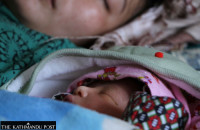
Air pollution has also been linked to premature births and low birth weight in the country.
Several other reports have also associated air pollution with pregnancy loss, premature birth, and low birth weight.
Doctors in Nepal say air pollution can affect pregnancy outcomes, as it impacts blood circulation and vital organs such as the lungs, brain, kidneys, heart, and can also hinder growth.




 25.92°C Kathmandu