Yam Prasad Neupane, a resident of ward 3 of Kalika Rural Municipality in Rasuwa, was taken to Tribhuvan University Teaching Hospital in Kathmandu on Monday for treatment of prostate problems. He presented a referral letter from Trishuli Hospital in Nuwakot district and his health insurance card at the ticket counter.
However, counter staff asked Neupane to pay in full for the services, stating that the hospital has decided to discontinue government health insurance service starting upcoming Thursday.
“I am seriously ill, and doctors at Trishuli Hospital told me to go to Kathmandu,” complained Neupane, who is 61 years old. “I cannot afford to pay for treatment out of pocket. Doctors said the hospital will stop providing health insurance service soon. Even though three days remain before the deadline, they denied me service.”
Dozens of other patients who enrolled in the government health insurance scheme and arrived at TU Teaching Hospital on Monday for treatment of various ailments voiced similar complaints after being denied services.
The hospital administration, however, claimed that health insurance services have not yet stopped and will continue until Wednesday. Yet, patients seeking care at the hospital reported being denied service.
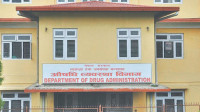
The hospital had issued a formal notice a week ago, informing relevant agencies and patients that services under government health insurance would cease after January 15. The hospital’s decision came after the Health Insurance Board approved only 50 percent of the insurance claims of the hospital.
“We have not received around Rs400 million in dues from the government,” said Dr Pawan Raj Chalise, deputy director at the hospital. “Apart from that, only around 50 percent of our claims get approved by the board. How can we continue providing services while incurring over Rs20 million loss every month?”
Hospital officials and Health Insurance Board representatives were in talks until Monday evening to try to continue the services.
Officials at the board said all the money allocated for health insurance services by the government and premiums collected from the public had already been paid to health facilities. Altogether, Rs14 billion had been paid by December. This included Rs11 billion from the Health Ministry and over Rs3 billion collected in premiums from the public.
The board needs to pay an additional Rs10.5 billion in dues to over 500 health facilities, including the TU Teaching Hospital. Officials said this shortfall is due to funding crunch, not intentional delays.
“We cleared all dues until mid-April last year and around 40 percent dues until mid-October,” said Bikesh Malla, information officer at the board. “On average, around 50,000 people take services every day, and over 10 million people are covered by health insurance.”
According to officials, around 20 percent of service claims are rejected, meaning one in five bill claims across hospitals is denied. Common reasons include missing doctors’ Nepal Medical Council registration numbers on prescriptions, diagnostic tests conducted without prescriptions, medicines dispensed without prescriptions, and medicines differing from those prescribed.
Malla said that the TU Teaching Hospital has an issue with the low service fees paid by the board.
“We have to purchase services at minimal cost due to a fund crunch, and still provide service to as many people as possible,” said Malla.
Under the scheme, a family of up to five members pays Rs3,500 for treatment, including medicine, check-ups, and counselling. One family member can use the insurance coverage worth Rs100,000 per year, or the amount can be divided among five members. Families with more than five members pay Rs700 per additional member for health insurance coverage worth Rs20,000 extra.
People covered by the insurance can access healthcare services at designated facilities by presenting their identity cards. The expense incurred by the health facilities is reimbursed by the Health Insurance Board.
For patients of chronic diseases, the government provides Rs200,000 in insurance coverage, and as of this fiscal year, the board has paid over Rs 50 million, officials said.
The government also covers premiums for certain groups—those living below the poverty line in 26 districts, those above 70 years, family members of people living with HIV, disabled people, and those suffering from leprosy, and multi-drug resistant tuberculosis.
Currently, the government pays the insurance premiums for around 55 percent of people enrolled in the scheme.




 14.69°C Kathmandu