Nepal Demographic Health Survey faces funding crisis
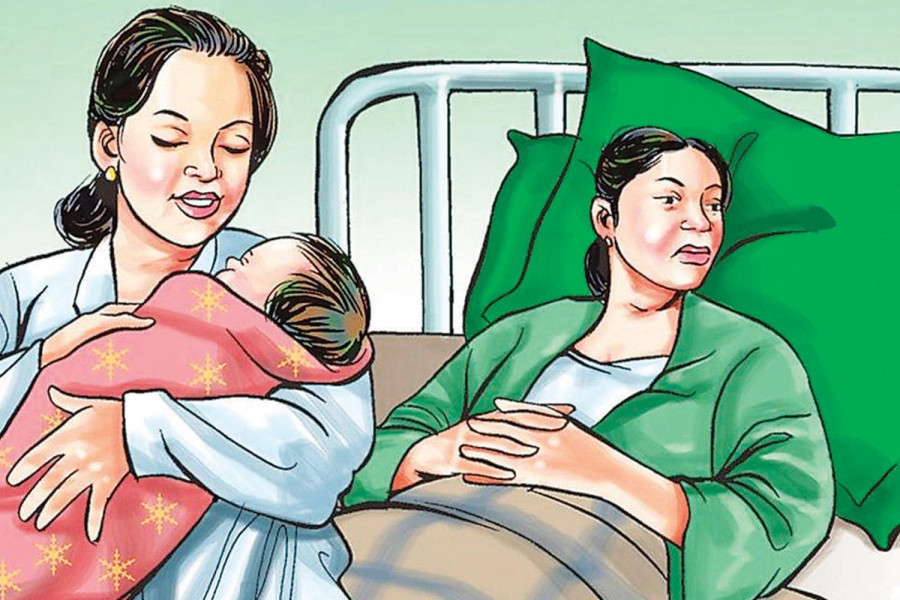
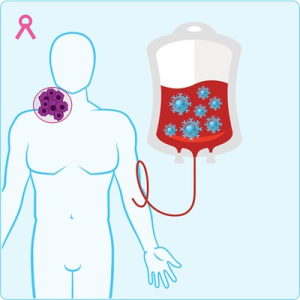
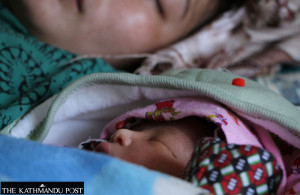
Officials say they have been urging development partners for help to carry out the study, which requires huge funding and international technical help. Post Illustration
The fate of the Nepal Demographic and Health Survey planned for 2026 is in jeopardy, as authorities have failed to secure funding for the study, which is instrumental in shaping public health policies.
If halted, it would be the latest in a series of suspensions, as multiple other studies, including the Nepal Micronutrient Survey planned to be carried out within 2025, have already been suspended indefinitely due to a funding crunch.
Several programmes in Nepal’s health sector including vital data collection efforts that officials say are essential for mapping progress and formulating new policies, have been halted following the suspension of assistance from the United States Agency for International Development (USAID) in January.
“We need international funding and technical assistance to carry out demographic health surveys like nationwide study,” said Dr Madan Kumar Upadhyaya, director at the Family Welfare Division, under the Department of Health Services. “Some testing requires sending specimens to international labs, and without foreign help such studies are not possible.”
The Ministry of Health and Population used to carry out demographic and health surveys every five years. For these, USAID would provide all financial costs, Atlanta-based experts (US Demographic and Health Surveys) provided technical support, according to officials.
“We have been trying to explore other donors for the study, but have not found any,” said Lila Bikram Thapa, chief of the Nutrition Section at the division. “We will be in the dark about our health status if we fail to generate new data and have to continue ongoing programmes, even if they are ineffective or irrelevant.”
Experts say the NDHS is the most important health survey, which provides key information about the status of maternal and child health, nutrition, fertility and family planning, HIV/AIDS, water, sanitation and hygiene, women’s empowerment, domestic violence, access to healthcare, among others. The DHS data is also used by development partners, international researchers, and planners.
“The DHS data guides our national health policies, programmes and also tracks the progress on Sustainable Development Goals,” said Thapa. “Without the new report, we cannot assess our present status or report our condition to the international community.”
SDGs, a follow-up on the Millennium Development Goals (MDGs), aim to end poverty and hunger and all forms of inequality in the world by 2030. Nepal has committed to meeting the goals.
Due to funding cuts, micronutrient surveys planned for April-May this year have been suspended indefinitely. The last micronutrient survey was carried out in 2016, in which the condition of drinking water, sanitation, child feeding practices, dietary diversity, vitamin A supplementation and deworming, iron supplementation, vitamin A and deworming among women, blood disorder status, nutrition status of adolescent girls, anaemia, iron deficiency, zinc deficiency, salt consumption and iodine level among the Nepalis.
Likewise, a planned study on the effectiveness and impact of female community health volunteers throughout the country, as well as health facilities surveys, have also been suspended due to the funding crisis.




 16.27°C Kathmandu